
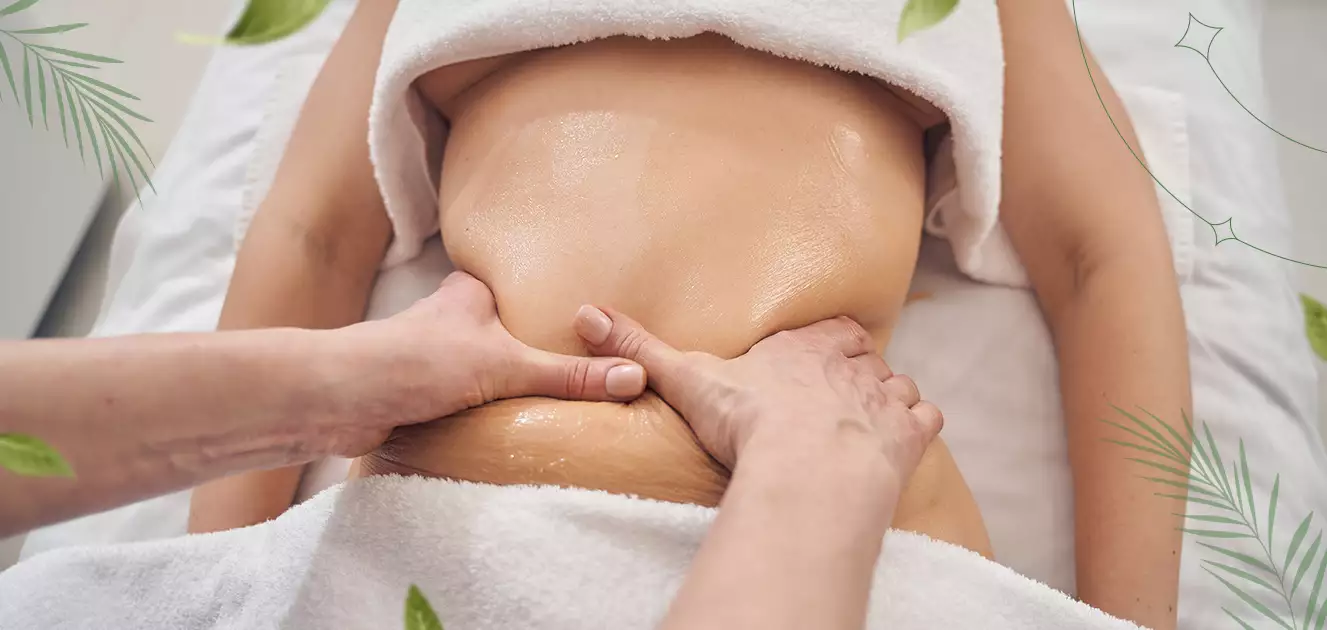
Bloating is one of those everyday discomforts almost everyone has felt at some point. That heavy, puffy, tight feeling in the stomach after a long flight, a salty meal, a stressful week or simply for no obvious reason at all. For some people, it is occasional. For others, it is a near-daily nuisance that affects how they feel in their clothes, their energy and even their mood.
The causes are surprisingly varied. Water retention, slow digestion, hormonal shifts, food sensitivities, stress and inflammation all play a role. With so many possible triggers, it is no surprise that people are increasingly looking beyond medication for gentle, natural ways to feel lighter and more comfortable in their bodies.
One therapy that has grown rapidly in popularity is lymphatic drainage massage. Once considered a niche treatment used mainly after surgery, it has become a staple in modern wellness routines and is regularly recommended for puffiness, fluid retention and that uncomfortable bloated feeling.
So, can lymphatic drainage massage actually help with bloating? In many cases, yes, particularly when bloating is linked to fluid retention, sluggish circulation or stress.
What Is Lymphatic Drainage Massage?
Lymphatic drainage massage is a specialise, gentle form of bodywork designed to support the natural movement of lymph fluid through the body. Unlike a typical relaxation massage, the goal is not to knead muscles or release deep knots. It is to encourage drainage, ease swelling and support your immune and circulatory systems.
Understanding the Lymphatic System
To understand the therapy, it helps to understand the system it supports. The lymphatic system is a network of vessels, nodes and organs that runs throughout your body, alongside your blood vessels. Its main jobs include:
- Fluid Balance: Collecting excess fluid that leaks out of blood vessels into surrounding tissues and returning it to the bloodstream
- Waste Removal: Transporting cellular waste products, dead cells and other debris away from tissues
- Immune defense: Carrying white blood cells and filtering out bacteria and harmful particles through lymph nodes
- Fat Absorption: Helping transport certain fats from the digestive system into the bloodstream
Unlike your circulatory system, which has the heart as a pump, the lymphatic system has no pump of its own. It relies on muscle movement, breathing, and the natural rhythmic contractions of lymph vessels to keep fluid moving. When that movement slows down, fluid can pool in the tissues, which is one of the reasons people feel heavy, puffy, or bloated.
How Lymphatic Drainage Massage Works
A trained therapist uses very light, rhythmic strokes that follow the natural direction of lymph flow. The pressure is far gentler than most people expect, often compared to the feeling of a soft brush moving across the skin. The strokes are slow, repetitive and methodical, designed to encourage lymph vessels just beneath the skin to contract and move fluid along.
Sessions usually focus on key drainage points such as the neck, underarms, abdomen and groin, where major lymph node clusters sit. By stimulating these areas in the right sequence, the therapist helps the body clear stagnant fluid more efficiently.
Difference Between Regular Massage and Lymphatic Drainage
It is easy to confuse lymphatic drainage with other massage styles, but the differences are significant:
- Pressure: Lymphatic drainage uses very light pressure, while Swedish, deep tissue and sports massages all use much firmer touch
- Purpose: The goal is fluid movement and drainage, not muscle release or pain relief
- Technique: Slow, rhythmic, directional strokes are used rather than kneading, friction or tapping
- Target tissue: The therapy works on the superficial layer just under the skin, where most lymph vessels sit, rather than on the muscle
This is why gentle pressure matters. Pressing too hard actually collapses the delicate lymph and works against the goal of the treatment.
What Causes Bloating?
Before exploring how lymphatic drainage may help, it is worth understanding why bloating happens in the first place. Bloating is not a single condition. It is a symptom with many possible causes, and the right approach depends on what is driving it.
Digestive Causes
The most common form of bloating starts in the gut. Typical digestive triggers include:
- Gas buildup from foods that are fermented by gut bacteria, such as beans, onions and certain vegetables
- Constipation, which causes pressure and discomfort in the abdomen
- Food intolerance, particularly to lactose, gluten or certain FODMAPs carbohydrates
- Eating too quickly or swallowing air while eating
Fluid Retention
Sometimes the bloated feeling has little to do with the digestive tract and everything to do with fluid sitting in the tissues. Common drivers of fluid retention include:
- Hormonal changes around the menstrual cycle, pregnancy or perimenopause
- High sodium intake from processed foods and salty meals
- Long periods of sitting or standing, which slow circulation in the legs and abdomen
- Poor lymphatic drainage from inactivity or shallow breathing
This is the type of bloating most directly linked to the lymphatic system, and therefore the type most likely to respond to lymphatic drainage massage.
Stress and Lifestyle Factors
Modern lifestyles add their own layers of difficulty. The gut is highly sensitive to stress, and the autonomic nervous system has a direct line of communication with the digestive tract. Contributing factors include:
- A sedentary lifestyle that reduces the muscle pump activity needed for lymph flow
- Chronic stress, which slows digestion and contributes to inflammation
- Inadequate hydration, which can paradoxically worsen water retention
- Disrupted sleep, which affects gut motility and hormone balance
Medical Conditions That May Cause Persistent Bloating
Not all bloating is benign. Some medical conditions cause persistent or severe bloating and need proper medical attention rather than wellness therapy alone. These include:
- Irritable bowel syndrome (IBS) and other functional gut disorders
- Inflammatory bowel diseases such as Crohn’s disease or ulcerative colitis
- Small intestinal bacterial overgrowth
- Coeliac disease or significant food intolerance
- Conditions affecting the liver, kidneys, or heart that cause fluid retention
Important: If bloating is severe, persistent, accompanied by pain, unexplained weight loss, changes in bowel habit or blood in the stool, it is essential to see a GP rather than rely on any form of massage. Lymphatic drainage is a supportive wellness therapy, not a substitute for medical care.
Can Lymphatic Drainage Massage Actually Help With Bloating?
This is the question most people really want answered. The short, honest answer is that it can help many people, particularly when bloated is driven by fluid retention, sluggish circulation or stress. The longer answer requires a closer look at how the mechanisms line up.
The Connection Between Lymphatic Flow and Water Retention
When lymph flow slows down, excess fluid lingers in the tissues. This shows up as puffiness in the face, Swollen ankles, heavy legs and that distinctive bloated, tight feeling in the abdomen. By gently encouraging lymph movement, lymphatic drainage massage can help the body shift this trapped fluid back into circulation, where the kidneys can process it out.
Many people notice a visibly flatter stomach, light limbs and reduced facial puffiness within hours of the session. This is genuine fluid movement, not weight loss in the conversational sense, but for someone dealing with stubborn water retention, the difference in comfort can be substantial.
How Massage May Support Digestion
Although lymphatic drainage is not a digestive treatment in the strict sense, several of its effects support better digestive function:
- The gentle, rhythmic nature of the work activates the parasympathetic nervous system, which is the rest-and-digest mode the gut needs to function well
- Reducing overall tension in the abdomen can ease the discomfort of trapped gas and slow digestion
- Lower stress levels often translate directly into a calmer gut, especially for people whose bloating is stress-driven
Scientific Evidence and Expert Insights
It is important to be honest about the state of the evidence. Lymphatic drainage massage has a relatively strong research base in specific clinical contexts, particularly for lymphoedema after breast cancer surgery, where it is a recognised part of complex decongestive therapy. There is also growing research interest in its use for post-surgical swelling and certain inflammatory conditions.
When it comes to general bloating and fluid retention in healthy adults, the formal scientific evidence is more limited. Most of the support comes from clinical observation, therapist experience and patient-reported outcomes rather than large randomised trials. This does not mean the therapy does not work for bloating. It means the evidence is still developing, and any honest description should say so.
In practice, many people report a clear, repeatable benefit, and the therapy is considered very low risk when performed by a qualified practitioner.
Temporary Relief vs Long-Term Results
Realistic expectations matter. A single session can offer noticeable temporary relief, often within the same day. For lasting results, however, lymphatic drainage works best as part of a wider routine. People who combine regular sessions with good hydration, balanced eating, regular movement and stress management tend to see the most consistent improvement in bloating over time.
Benefits of Lymphatic Drainage Massage Beyond Bloating
While bloating relief draws many people to lymphatic drainage massage, the benefits often extend much further. Most clients find that the treatment supports their general sense of wellbeing in several ways.
Reduced Swelling and Puffiness
Lymphatic drainage is particularly effective at reducing visible puffiness in the face, eyes, ankles and lower legs. People who travel frequently, work long hours on their feet or wake up with a noticeably swollen face often see the most immediate cosmetic benefit.
Improved Circulation
By supporting fluid movement throughout the body, the therapy also helps improve overall circulation. Better circulation means more efficient oxygen and nutrient delivery to tissues and more efficient removal of metabolic waste.
Relaxation and Stress Reduction
The slow, rhythmic nature of lymphatic drainage is deeply calming. Many people fall asleep during sessions or leave in a state of pleasant grogginess. This relaxation response itself supports digestion, sleep and immunity, which compound the direct effects on bloating.
Post-Surgery Recovery Support
Lymphatic drainage is widely used to support recovery after surgical procedures, particularly cosmetic procedures such as liposuction or tummy tucks, where post-operative swelling is significant. Always confirm timing and suitability with your surgeon before booking.
Skin and Wellness Benefits
Improved drainage and circulation often translate into clearer, brighter-looking skin. Some clients also report fewer breakouts, a reduction in mild puffiness around the eyes and an overall feeling of being more in tune with their body.
What Happens During a Lymphatic Drainage Massage Session?
If you have never tried lymphatic drainage before, the experience can feel quite different from any massage you have had previously. Knowing what to expect helps you settle in and get the most from it.
Consultation Process
A reputable therapist will begin with a brief consultation, asking about your health history, any medications, your reasons for booking and any medical conditions that might affect treatment. This is the moment to be open about anything from recent surgery to ongoing health concerns.
Techniques Used
Once you are comfortable on the treatment couch, the therapist will use a series of light, rhythmic strokes following specific drainage pathways. You can expect the work to focus on areas such as:
- The neck and under the jaw, where lymph from the head drains
- The collarbone area is a major drainage point for the upper body
- The armpits, where significant lymph node clusters sit
- The abdomen, with very gentle rhythmic movements to support drainage and digestion
- The groin and inner thighs, which drain the lower body.
The pressure throughout will feel surprisingly light. If it feels like a typical firm massage, that is usually a sign that the technique is not truly lymphatic drainage.
How Long Do Sessions Last
Most lymphatic drainage sessions run between 45 and 90 minutes. A 60-minute session is the most common length and works well for general bloating, water retention and wellness support.
What You May Feel After Treatment
Common responses after a session include:
- A noticeable increase in urination over the following hours as the body processes the released fluid
- A flatter, lighter feeling in the abdomen
- Reduced puffiness in the face, eyes and limbs
- A deep sense of relaxation, sometimes followed by drowsiness
- Occasionally, mild fatigue or thirst, both of which pass quickly with hydration and rest
Who Can Benefit Most From Lymphatic Drainage Massage for Bloating?
Lymphatic drainage massage is gentle enough to suit a wide range of people. Those who tend to benefit most include:
- People with Chronic Water Retention: particularly when puffiness and fluid retention are recurring rather than occasional
- Sedentary Office Workers: Long hours of sitting slow circulation and lymph flow, making bloating and heavy legs common
- Frequent Travellers: Long flights and time-zone changes often trigger fluid retention and abdominal discomfort
- People Living with Chronic Stress: Stress-driven bloating often improves with the deeply calming effect of lymphatic work
- Postpartum Women (with Clinician Approval): Lymphatic drainage can support recovery, reduce swelling and help restore comfort
- People with Mild Digestive Discomfort: Those who notice bloating linked to slow digestion, low movement or stress
- Anyone Preparing for a Special Occasion: For short-term, visible improvements in puffiness and stomach flatness before an event.
Who Should Avoid Lymphatic Drainage Massage?
Although it is one of the gentlest massage therapies available, lymphatic drainage is not suitable for everyone. There are specific conditions where the therapy should be postponed or avoided entirely.
You should avoid lymphatic drainage massage or speak to a doctor first if you have:
- An active infection, fever or skin infection in the area being treated
- Congestive heart failure or other significant cardiac conditions
- Kidney disease or impaired kidney function
- Blood clotting disorders, deep vein thrombosis or a history of recent blood clots
- Untreated or active cancer (unless specifically advised by an oncology team)
- Severe, undiagnosed swelling that has not yet been investigated by a clinician.
When in doubt, speak to your GP or specialist before booking. A reputable therapist will also ask the right questions during consultation and may decline to treat you if there is any concern, which is a good sign of professionalism rather than a problem.
Tips to Maximise Results After a Lymphatic Drainage Massage
A session is most effective when supported by simple lifestyle habits in the hours and days that follow. These small adjustments can extend the benefits considerably.
Stay Hydrated
Drinking water after a session helps your kidneys process the fluid your body has just mobilised. Aim for steady hydration throughout the rest of the day, rather than one large glass immediately afterward.
Eat Anti-Inflammatory Foods
Foods that calm inflammation also tend to ease bloating. Think of leafy greens, berries, oily fish, ginger, turmeric, whole grains and plenty of fibre-rich vegetables. Limit ultra-processed foods, sugar and alcohol, all of which can undo the calming effect of a session.
Reduce Excess Sodium
High salt intake is one of the most common drivers of water retention. Cutting back on processed snacks, ready meals, takeaways and salty restaurant food gives the lymphatic system a much easier job.
Gentle Movement and Walking
The lymphatic system depends on muscle movement to keep fluid flowing. A daily walk, gentle yoga, swimming or simple stretching helps maintain the benefits of your session between visits.
Consistent Wellness Routine
Lymphatic drainage works best as part of a wider routine rather than as a one-off fix. Quality sleep, regular movement, stress management and balanced eating all amplify and prolong the effects of each session.
How Often Should You Get Lymphatic Drainage Massage for Bloating?
Frequency depends on what you are trying to achieve. A few general patterns work well in practice:
- Occasional Bloating: A session every four to six weeks is usually enough to keep things in balance
- Chronic Water Retention or Persistent Bloating: Weekly or fortnightly sessions for the first four to six weeks, then taper to a maintenance rhythm once symptoms settle
- Wellness Maintenance: A monthly session keeps lymph flow, circulation and stress levels in check for most healthy adults
- Pre-Event or Post-Travel: one or two sessions in the week before a big event or after a long flight.
A skilled therapist can recommend a personalised plan after your consultation, taking into account your symptoms, lifestyle and goals.
Myth vs Fact: Setting the Record Straight
There is a lot of misinformation about lymphatic drainage massage online, much of it driven by social media trends. Here are some of the most common myths set against what the therapy can realistically do.
| Myth | Fact |
| Lymphatic drainage massage flushes toxins out of your body. | Your liver and kidneys do the actual detox work. The massage simply supports your lymphatic system in moving fluid more efficiently. |
| It is just like a regular massage. | It uses very light, rhythmic pressure aimed at lymph vessels just under the skin, which is quite different from deep tissue or Swedish massage. |
| One session will permanently fix bloating. | Most people feel lighter immediately, but lasting results come from consistency, hydration, and lifestyle support. |
| It causes dramatic weight loss. | Any short-term reduction is mostly fluid, not fat. It is a wellness therapy, not a weight-loss treatment. |
| It is only for people recovering from surgery. | Post-surgical recovery is one use case, but the therapy benefits anyone dealing with bloating, fluid retention, or sluggish circulation. |
Frequently Asked Questions
Is Lymphatic Drainage Massage Painful?
No. It uses very light, rhythmic pressure and is one of the gentlest massage therapies available. Most people find it deeply relaxing rather than intense.
How Quickly Will I See Results For Bloating?
Many people notice a flatter, lighter feeling within hours of a session, particularly if the bloating is fluid related. Lasting results usually build over several sessions combined with healthy lifestyle habits.
Can I Have Lymphatic Drainage Massage During My Period?
Yes, in most cases. Many women find it particularly helpful for the bloating and water retention that come with the menstrual cycle. If you have heavy periods or related medical conditions, check with your therapist first.
Is It Safe During Pregnancy?
Lymphatic drainage can be safe during pregnancy when performed by a therapist trained in pregnancy massage and with clearance from your midwife or GP. It is not recommended in the first trimester or where there are pregnancy complications.
How Is It Different From A Detox?
The therapy does not detox the body in the marketing sense. Your liver and kidneys are responsible for actual detoxification. Lymphatic drainage simply helps your body’s natural drainage system work more efficiently.
Can I Combine It With Other Massage Styles?
Yes, although it is best not to combine deep tissue work and lymphatic drainage in the same session, as the goals are very different. Many people alternate the two across separate visits.
Will It Help Me Lose Weight?
Not in any meaningful, lasting way. Any short-term reduction in stomach or limb size is fluid, not fat. Lymphatic drainage is a wellness therapy, not a weight-loss treatment.
Is It Worth Trying for Bloating?
For most healthy adults dealing with bloating linked to fluid retention, sluggish circulation, stress or a sedentary lifestyle, lymphatic drainage massage is well worth trying. It is gentle, low risk, deeply relaxing and frequently produces a noticeable improvement in comfort, puffiness and overall sense of lightness.
Where the picture is more nuanced is in the strength of the formal scientific evidence for general, non-clinical bloating. The mechanisms are plausible, the clinical experience is positive, and the therapy is well established for related conditions, but large trials specifically on bloating are still limited. Honest practitioners will say the same.
The most sensible approach is to view lymphatic drainage as a supportive part of a healthy lifestyle rather than a standalone cure.
Combined with good hydration, balanced nutrition, regular movement, decent sleep and stress management, it can play a genuinely useful role in feeling lighter, calmer and more comfortable in your body. And if bloating is severe or persistent, it should always sit alongside, not instead of, a proper medical assessment.
Experience Professional Lymphatic Drainage Massage in Greenwich, London
If you are looking for a natural way to reduce bloating, ease water retention and feel lighter in your body, professional lymphatic drainage massage could be exactly what your routine has been missing. At Meridian Spa in Greenwich, London, our experienced therapists deliver tailored lymphatic drainage treatments in a calm, considered environment designed to help you fully switch off.
Whether you are dealing with occasional bloating, post-travel swelling, stress-related fluid retention, or simply want to support your wellbeing with regular preventative care, our team will design a treatment plan around your needs. Every session combines clinical technique with the unhurried, restorative atmosphere of a true wellness retreat.
Discover one of the best lymphatic drainage massage experiences in Greenwich, London. Book your session at Meridian Spa today and feel lighter, calmer and more comfortable in your body, the way wellness was always meant to feel.