
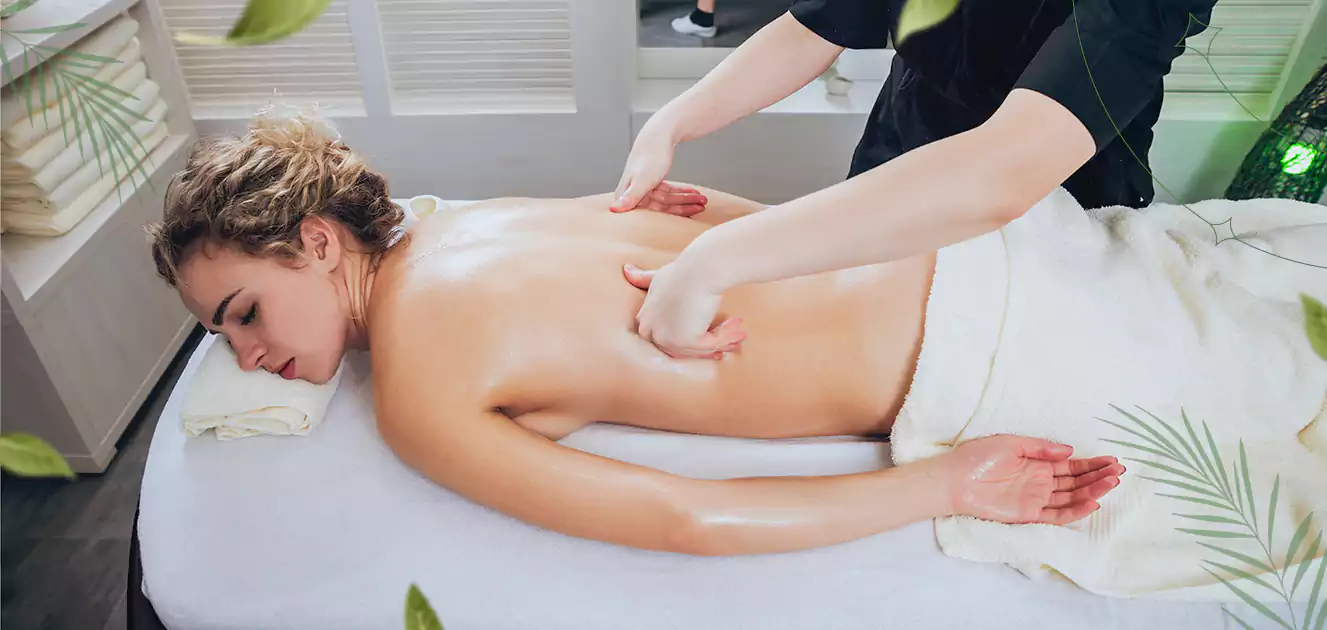
Lymphatic drainage massage uses gentle, rhythmic pressure to move lymph fluid through the body, reducing swelling, boosting immunity, and supporting detox. It is used medically for lymphedema and cosmetically for skin and post-surgery recovery.
Lymphatic drainage massage is one of the most requested treatments at Meridian Spa, and for good reason. Whether you are recovering from surgery, managing chronic swelling, preparing for a sports event, or simply want clearer skin and better energy, this gentle yet powerful therapy works with your body’s own cleaning system to restore balance.
This guide covers everything: what the lymphatic system is, how the massage works, which named techniques therapists use, who it helps most, what to expect during a session, how often to come, and how to support the treatment at home with simple self-drainage.
What Is the Lymphatic System?
The lymphatic system is a network of vessels, nodes, and organs that runs parallel to your circulatory system. Its job is to collect excess fluid, called lymph, that leaks out of your blood capillaries into the surrounding tissue, filter it through lymph nodes, and return it to the bloodstream.
Unlike the heart, which pumps blood continuously, the lymphatic system has no dedicated pump. It depends on muscle movement, breathing, and external stimulation to keep fluid circulating. When the system slows or becomes blocked, lymph accumulates in the tissues, causing swelling, heaviness, and reduced immune function.
The lymphatic system also plays a central role in immune defence. Lymph nodes, located in the neck, armpits, groin, and abdomen, filter pathogens and house white blood cells. When you feel tender lumps in your neck after an infection, those are your lymph nodes working to clear it.
What Is Lymphatic Drainage Massage?
Lymphatic drainage massage, also called manual lymphatic drainage (MLD), is a specialised form of massage designed to stimulate the flow of lymph fluid through the body. Unlike deep tissue massage, which works on muscles with firm pressure, MLD uses extremely light, rhythmic strokes on the skin; the pressure is no more than the weight of a fifty-pence coin.
The technique was developed in the 1930s by Dr Emil Vodder, a Danish physiotherapist who discovered that gentle manipulation of swollen lymph nodes produced measurable clinical improvements in his patients. His approach has since been refined into several recognised systems, each with specific hand movements and treatment sequences.
MLD should not be confused with general massage for relaxation. It is a medically recognised therapy used in hospitals, oncology units, and physiotherapy clinics worldwide, including the Royal Marsden NHS Foundation Trust in London.
Named Clinical Techniques: What Trained Therapists Use
There are four main recognised systems of manual lymphatic drainage, each named after the physiotherapist who developed or popularised it:
1. Vodder Method
The original and most widely taught system. Developed by Dr Emil and Estrid Vodder in France in 1936. Uses four principal hand movements, stationary circles, pump technique, rotary technique, and scoop technique, applied in a specific sequence starting at the neck and working outwards. Pressure is always light and directed toward the nearest lymph node cluster.
2. Foldi Method
An extension of Vodder developed by Dr Michael Foldi in Germany. Adds manual decongestive techniques and is primarily used within Complete Decongestive Therapy (CDT) for clinical lymphedema treatment. Widely taught in German-speaking countries and used in hospital lymphedema units.
3. Casley-Smith Method
Developed by Dr John and Judith Casley-Smith in Australia. Uses simpler, more repetitive hand movements and is particularly popular for self-drainage instruction, making it suitable for teaching patients to manage their own lymphedema at home.
4. Leduc Method
Developed by Professor Albert Leduc in Belgium. Uses two distinct movement types, call-up movements to stimulate deeper lymph collectors, and reabsorption movements to move fluid into the initial lymphatics. Studied extensively in clinical research settings.
When choosing a therapist, ask which system they are trained in and whether they hold a certified lymphedema therapist (CLT) qualification. Reputable training bodies in the UK include the Dr Vodder School and the MLD UK organisation.
What Is Complete Decongestive Therapy (CDT)?
For patients with diagnosed lymphedema, MLD is usually delivered as one component of a broader treatment protocol called Complete Decongestive Therapy (CDT). CDT combines four elements:
- Manual lymphatic drainage (MLD)
- Compression bandaging or garments worn between sessions
- Specific decongestive exercises to support lymph flow
- Meticulous skin and nail care to prevent infection
CDT is delivered in two phases: an intensive treatment phase (typically daily sessions for several weeks) and a maintenance phase (self-care with less frequent professional sessions). If your doctor has referred you for lymphedema treatment, ensure your therapist is trained in the full CDT protocol, not just massage alone.
Meridian Spa offers professional MLD sessions for wellness, recovery, and cosmetic purposes. For clinical lymphedema requiring full CDT, we recommend a GP referral to an NHS lymphedema clinic or a CLT-qualified physiotherapist alongside your spa treatments.
Conditions Treated with Lymphatic Drainage Massage
Healthcare providers use MLD for a broad range of conditions. The most well-evidenced applications include:
Lymphedema
The primary medical use of MLD. Lymphedema is persistent swelling caused by lymph fluid accumulating in the tissue, most commonly in the arms or legs. In the UK, secondary lymphedema following breast cancer surgery, where lymph nodes are removed, is the most frequent cause. MLD moves accumulated fluid toward functioning lymph vessels, reducing swelling and improving limb function.
Post-Surgical Recovery
MLD is increasingly recommended after cosmetic surgery, including liposuction, abdominoplasty (tummy tuck), Brazilian butt lift (BBL), and breast augmentation. Surgery disturbs lymphatic pathways; MLD helps redirect fluid, reduce post-operative oedema, soften fibrosis, and speed healing. Sessions typically begin 5–7 days post-surgery, subject to surgeon clearance.
If you are searching for lymphatic drainage after BBL, after liposuction, or after a tummy tuck in London, Meridian Spa’s therapists can discuss a post-surgical programme during your consultation.
Fibromyalgia
A 2021 review published in clinical literature found that MLD may improve quality of life and reduce pain sensitivity in fibromyalgia patients. The gentle nature of the massage makes it suitable where deeper pressure is intolerable.
Chronic Venous Insufficiency
When veins struggle to return blood to the heart efficiently, fluid can pool in the lower limbs. MLD supports venous return and reduces associated swelling and aching.
Rheumatoid Arthritis
MLD can help reduce joint swelling and associated inflammation. It is used as a complementary therapy alongside medical treatment.
Cosmetic and Wellness Applications
Outside clinical settings, MLD is widely used for: reducing water retention and puffiness, improving skin texture and tone, supporting cellulite reduction (by improving fluid and fat metabolism), facial drainage for depuffing and brightening, relieving bloating and digestive sluggishness, and general detoxification and relaxation.
Signs Your Lymphatic System May Need Support
You do not need a diagnosis to benefit from lymphatic drainage. Many healthy people develop mild lymphatic sluggishness due to sedentary work, stress, poor diet, and urban pollution. Common signs include:
- Persistent puffiness around the eyes, face, or ankles
- Feeling heavy, sluggish, or generally unwell without a clear cause
- Recurring sinus congestion or frequent minor infections
- Brain fog or poor concentration
- Dull, congested skin or frequent breakouts
- Chronic fatigue that sleep does not fully resolve
- Bloating that is not explained by diet
- Swollen or tender lymph nodes in the neck, armpits, or groin
These symptoms can have many causes. If swelling is significant, persistent, or rapidly worsening, consult your GP before booking a massage. MLD is a complement to medical care, not a substitute.
The Benefits of Lymphatic Drainage Massage
When performed by a trained therapist, the evidence-supported and widely reported benefits of MLD include:
Reduced Swelling and Oedema
The primary and best-evidenced benefit. By mechanically moving lymph fluid toward functioning lymph nodes, MLD directly reduces tissue swelling. This is particularly valuable post-surgery and in lymphedema management.
Immune System Support
Moving lymph fluid more efficiently increases the throughput of white blood cells and waste products through lymph nodes, supporting the body’s natural immune response. Regular MLD may reduce the frequency of minor infections.
Improved Skin Health
Better lymph circulation means better waste removal at a cellular level. Many clients report improved skin clarity, reduced puffiness, and a more even complexion following a course of sessions. Facial MLD, sometimes combined with gua sha tools, is popular for reducing morning puffiness and brightening the skin.
Post-Workout Recovery
Exercise generates metabolic waste in the muscles. The lymphatic system is responsible for clearing much of this debris, but without adequate movement, it can accumulate and cause prolonged soreness. MLD after intense training can accelerate muscle recovery by flushing waste products more efficiently.
Stress Reduction and Relaxation
The slow, repetitive, feather-light strokes of MLD activate the parasympathetic nervous system. Most clients enter a deeply relaxed state during treatment. Research from South Korea published in the Journal of Physical Therapy Science showed that manual lymph drainage measurably reduced EEG markers of psychological stress in study participants.
Detoxification Support
While ‘detox’ is an overused term in wellness marketing, lymphatic drainage has a specific and real mechanism: it increases the speed at which metabolic by-products, cellular debris, and pathogens are cleared from the tissue and processed by lymph nodes. This is not a substitute for the liver and kidneys, but it supports the system they depend on.
Cellulite Reduction
Cellulite is partly caused by poor circulation and fluid retention in the fat layer beneath the skin. MLD, often combined with dry brushing and body wraps, improves local circulation and lymph flow, which, over a course of treatments, can improve the appearance of affected areas. Results require consistency, typically 6–10 sessions.
MLD vs Regular Massage: What Is the Difference?
| Feature | Lymphatic Drainage (MLD) | Swedish / Deep Tissue Massage |
| Pressure | Feather-light, skin surface only | Moderate to firm, muscles and fascia |
| Speed | Slow, rhythmic, repetitive | Varied |
| Primary target | Lymphatic vessels under the skin | Muscles, connective tissue |
| Main purpose | Fluid movement, immune support, detox | Muscle relaxation, pain relief, tension |
| Session feel | Deeply calming, almost meditative | Can include discomfort (deep tissue) |
| Oil required | No, skin friction aids the technique | Usually yes |
| Who performs it | Therapist trained specifically in MLD | Any qualified massage therapist |
| Post-surgery use | Yes, recommended from day 5–7 | Generally not recommended early post-op |
What to Expect During a Session at Meridian Spa
Many clients are surprised by how gentle lymphatic drainage feels compared to other massages. Here is exactly what happens during a typical 60-minute session at Meridian Spa:
Before You Arrive
Drink 1–2 glasses of water before your session. Avoid heavy meals for an hour beforehand. Wear or bring loose, comfortable clothing to change into.
Consultation (5 minutes)
Your therapist will ask about your health history, any recent surgeries or medical conditions, areas of concern, and your goals for the session. This consultation is essential, MLD is not appropriate for everyone (see contraindications below), and the therapist needs this information to personalise your treatment.
Diaphragmatic Breathing (5 minutes)
Sessions begin with deep, abdominal breathing. This is not simply a relaxation technique; deep breathing physically stimulates the thoracic duct, the body’s main lymphatic drainage channel, which empties directly into the venous system near the heart. Your therapist will guide you through the breathing before beginning manual work.
Neck and Axillary Clearance (10 minutes)
The therapist begins at the lymph node clusters in your neck and armpits, not at the area of concern. This is a critical sequencing principle: the receiving nodes must be ‘cleared’ and made ready before upstream fluid is moved toward them. Skipping this step is a common error in non-specialist massage.
Treatment of Target Areas (30–35 minutes)
Working with skin-deep pressure and specific directional strokes, the therapist guides lymph fluid toward cleared node clusters. Depending on your goals, this may cover the full body, the legs and abdomen (for bloating and cellulite), the arms and chest (post-breast surgery), or the face and neck (for cosmetic drainage).
Closing and Home Care Advice (5–10 minutes)
The session closes with another round of breathing and compression holds. Your therapist will advise on hydration, gentle movement, and, if relevant, self-drainage techniques you can practise at home between appointments.
Sessions last 60 or 90 minutes. A 90-minute session allows fuller body coverage and is recommended for post-surgical clients and those with more significant swelling.
How Often Should You Have Lymphatic Drainage Massage?
Frequency depends on your reason for having treatment:
| Goal / Condition | Recommended Frequency | Typical Course Length |
| General wellness and detox | Monthly or fortnightly maintenance | Ongoing |
| Cellulite reduction | 1–2 times per week | 6–10 sessions, then monthly |
| Post-workout recovery | Within 24–48 hours of intense training | As needed |
| Post-cosmetic surgery | 3–5 sessions in the first 2 weeks, then weekly | 4–8 weeks total |
| Active lymphedema (clinical) | Daily in the intensive phase, then weekly | Guided by a CLT therapist |
| Facial / skin clarity | Weekly for 4 weeks, then monthly | Ongoing maintenance |
| Pregnancy (MLD) | Monthly from the second trimester | Ongoing; stop 2 weeks before the due date |
How Much Does Lymphatic Drainage Massage Cost in London?
London MLD prices vary widely depending on clinic type, therapist qualification, and session length. As a general guide:
- Spa or wellness clinic (60 min): £70–£120
- Specialist CLT physiotherapist (60 min): £90–£150
- Post-surgical specialist clinic: £100–£180 per session
- Mobile therapist (home visit): £90–£130 + travel
At Meridian Spa in Greenwich, our lymphatic drainage sessions offer professional, spa-quality MLD at accessible London prices. Please see our services page for current pricing and any introductory offers.
Contraindications: When to Avoid Lymphatic Drainage Massage
MLD is safe for most people, but it is not suitable for everyone. You should not have a lymphatic drainage massage if you have any of the following conditions, unless you have received specific clearance from your doctor:
- Active infection, fever, or acute inflammation (massage may spread infection)
- Blood clots, deep vein thrombosis (DVT), or suspected thrombosis
- Active cancer (unless under specialist oncological guidance)
- Congestive heart failure or serious heart disease
- Acute kidney disease or renal failure
- Untreated thyroid conditions
Cellulitis (bacterial skin infection, do not confuse with the cosmetic skin condition)
First trimester of pregnancy (seek a specialist pregnancy MLD therapist)
If you are unsure, always consult your GP or medical specialist before booking. During your consultation at Meridian Spa, your therapist will review your health history and advise accordingly.
Simple Self-Lymphatic Drainage: What You Can Do at Home
Between professional sessions, you can support your lymphatic system at home with simple, gentle techniques. These are not a replacement for professional MLD but complement your treatment and help maintain results.
1. Diaphragmatic Breathing
Lie flat or sit comfortably. Place one hand on your chest and one on your abdomen. Breathe in slowly through your nose, allowing your abdomen to rise. Breathe out slowly through your mouth, letting your abdomen fall. The chest should stay relatively still. Repeat for 5–10 slow breaths. This stimulates deep lymphatic vessels, particularly in the thoracic duct.
2. Neck Lymph Node Stimulation
Using the flat pads of your fingers, place both hands just above your collarbone. With very light pressure, imagine you are stretching the skin rather than pressing through it, make gentle J-shaped strokes, pulling skin inward and down. Repeat 10–15 times. This ‘clears’ the terminus nodes and creates space for fluid to drain from the rest of the body.
3. Armpit (Axillary) Node Clearance
Cup your hand and place it in the opposite armpit. With light pulsing pressure, gently pump inward 10–15 times. Repeat on both sides. This activates the axillary lymph node cluster, which drains a large portion of the upper body.
4. Abdominal Lymph Massage (for Bloating)
Lie on your back with knees bent. Place both hands flat on your lower abdomen, just above the groin. Use very light circular strokes in a clockwise direction, gradually working up the right side, across the top, and down the left side, following the path of the large intestine. 5–10 minutes daily. This supports abdominal lymph drainage and can reduce bloating.
5. Leg Drainage (for Swollen Ankles)
Start by clearing the groin nodes: place your flat hand in the groin fold and make gentle pulsing strokes 10–15 times on each side. Then, working up from the ankle toward the groin, use long, sweeping strokes toward the body, never downward. Always work from the node cluster outward first, then bring fluid in.
Tips for self-massage: always use feather-light pressure; never massage over broken skin, active infection, or directly over lymph nodes that are visibly swollen and tender; if swelling suddenly worsens, stop and consult your GP.
Facial Lymphatic Drainage, The Cosmetic Angle
Facial MLD has become one of the most searched beauty treatments in the UK, partly due to growing interest in gua sha and facial massage on social media. While gua sha is a different modality, it shares the principle of encouraging facial lymph drainage.
Professional facial MLD at a spa uses the same light-pressure Vodder principles applied specifically to the face, jaw, and neck. It can visibly reduce morning puffiness (particularly under the eyes and around the jaw), improve skin clarity and radiance, reduce the appearance of fine lines temporarily by improving tissue hydration, and support recovery after cosmetic facial procedures.
At home, you can support facial drainage by: using a clean jade roller or gua sha tool with light upward strokes starting at the neck; massaging the jaw and temples with circular light-pressure finger movements in the morning; and performing the neck clearance strokes described above before any facial massage.
Lymphatic Drainage After Cosmetic Surgery
This is one of the fastest-growing search areas related to MLD in the UK. Procedures like liposuction, tummy tucks, breast augmentation, and Brazilian butt lift (BBL) all disrupt the lymphatic pathways in the treated area. Without adequate post-surgical lymphatic drainage, common complications include prolonged swelling, seromas (fluid pockets), fibrosis and hardened tissue, and delayed healing.
MLD after surgery works by: redirecting diverted lymph fluid to alternative drainage pathways, preventing fibrosis by keeping the tissue soft and mobile, reducing bruising reabsorption time, and improving the final aesthetic result.
Always get your surgeon’s written clearance before beginning post-surgical MLD. Most surgeons clear light MLD from day 5–7, though this varies by procedure and individual recovery. Share your surgeon’s post-op protocol with your therapist before the first session.
The Science Behind Lymphatic Drainage: What Research Says
The evidence base for MLD is strongest for clinical lymphedema treatment, where it is recommended in multiple national clinical guidelines, including NHS guidance for lymphoedema. Key research findings include:
- A systematic review in the Cochrane Database found MLD reduces limb volume in lymphedema when used as part of CDT, though the magnitude of effect varies by patient.
- Research published in Lymphatic Research and Biology has documented improvements in immune cell transport and node function following manual drainage.
- A 2014 study in the Journal of Physical Therapy Science (Seoul) showed a measurable reduction in EEG stress markers following MLD.
- A 2021 review found MLD may improve quality of life and pain scores in fibromyalgia, though more large-scale trials are needed.
For general wellness applications, detox, skin clarity, and cellulite, the evidence is largely based on physiological mechanisms (improved circulation and fluid clearance) plus strong anecdotal clinical observation. These benefits are plausible and widely reported, but have fewer large-scale randomised controlled trials than the clinical applications.
At Meridian Spa, we present the evidence honestly: MLD has strong clinical evidence for lymphedema and good mechanistic plausibility for wellness applications. We do not make unsupported medical claims.
What to Look for in a Lymphatic Drainage Therapist
Not all massage therapists are trained in MLD. Because the technique differs fundamentally from standard massage, proper training matters. When choosing a therapist, look for:
- Specific MLD training in a named system (Vodder, Foldi, Casley-Smith, or Leduc)
- Minimum 135 hours of lymphedema-specific training for clinical cases (WebMD / specialist guidance)
- Certified Lymphedema Therapist (CLT) status for clinical lymphedema treatment
- Membership in a recognised professional body, such as MLD UK or the Federation of Holistic Therapists
- A thorough pre-treatment consultation that reviews your health history and contraindications
- Willingness to coordinate with your GP, surgeon, or oncologist if you have a medical condition
At Meridian Spa, all our MLD therapists hold specific lymphatic drainage qualifications and undertake regular continuing professional development.
Frequently Asked Questions
Is lymphatic drainage massage painful?
No. MLD should feel gentle and deeply relaxing. The pressure is very light, lighter than you might expect for a massage. If you feel pain during a session, tell your therapist immediately. Pain indicates either incorrect technique or that massage is contraindicated for your condition.
How quickly will I see results?
Many clients notice reduced puffiness and a feeling of lightness immediately after their first session. More significant results, in conditions like cellulite, chronic swelling, or post-surgical recovery, typically require a course of 4–8 sessions over several weeks. The effects of MLD also depend heavily on lifestyle: hydration, movement, and diet all influence how quickly your lymphatic system responds.
Can I have lymphatic drainage during pregnancy?
Pregnancy MLD is a specialised field. MLD can be particularly beneficial in the second and third trimesters for reducing ankle and leg swelling, relieving lower back tension, and promoting relaxation. However, it must be performed by a therapist trained specifically in pregnancy MLD, and certain techniques and positions differ from standard MLD. Read our dedicated guide to pregnancy lymphatic drainage at Meridian Spa.
How much water should I drink after a session?
Your therapist will advise you, but the general recommendation is to drink 1–2 litres of water in the hours following treatment. MLD increases the throughput of your lymphatic system, and adequate hydration supports the kidneys in processing the increased fluid and waste being delivered to the bloodstream.
Can I have MLD if I have cancer?
Yes, in many cases, but only under specialist oncological guidance. For patients with cancer, MLD is used most commonly for cancer-related lymphedema following node removal or radiation. It must be performed by a therapist with oncology massage training, and always with GP or oncologist approval. At Meridian Spa, we follow NHS guidelines on oncology massage.
Is there anything I should avoid after a lymphatic drainage massage?
For 24 hours post-session: avoid alcohol (dehydrating and increases fluid retention), vigorous exercise (allow the drainage effect to work), hot baths or saunas (may counteract the drainage), and large, heavy meals. Do prioritise: hydration, gentle walking, and a light diet.
Closing Words
In summary, lymphatic drainage massage is far more than a wellness trend; it is a clinically recognised therapy that supports one of the body’s most important systems. From reducing swelling and supporting post-surgical recovery to improving circulation, skin clarity, relaxation, and overall wellbeing, MLD offers both medical and cosmetic benefits when performed correctly by a trained therapist. Whether you are managing fluid retention, recovering after cosmetic surgery, dealing with chronic heaviness and fatigue, or simply looking to support your body naturally, regular lymphatic drainage can become a valuable part of your long-term health and self-care routine.
Ready to experience the benefits of professional lymphatic drainage massage in London? At Meridian Spa, our qualified therapists provide personalised MLD treatments tailored to your wellness, recovery, and cosmetic goals.
Book your consultation today to discover how targeted lymphatic therapy can help you feel lighter, healthier, and more balanced. Visit Meridian Spa to explore our services, pricing, and current offers, or contact our team to create a treatment plan that works for you.