
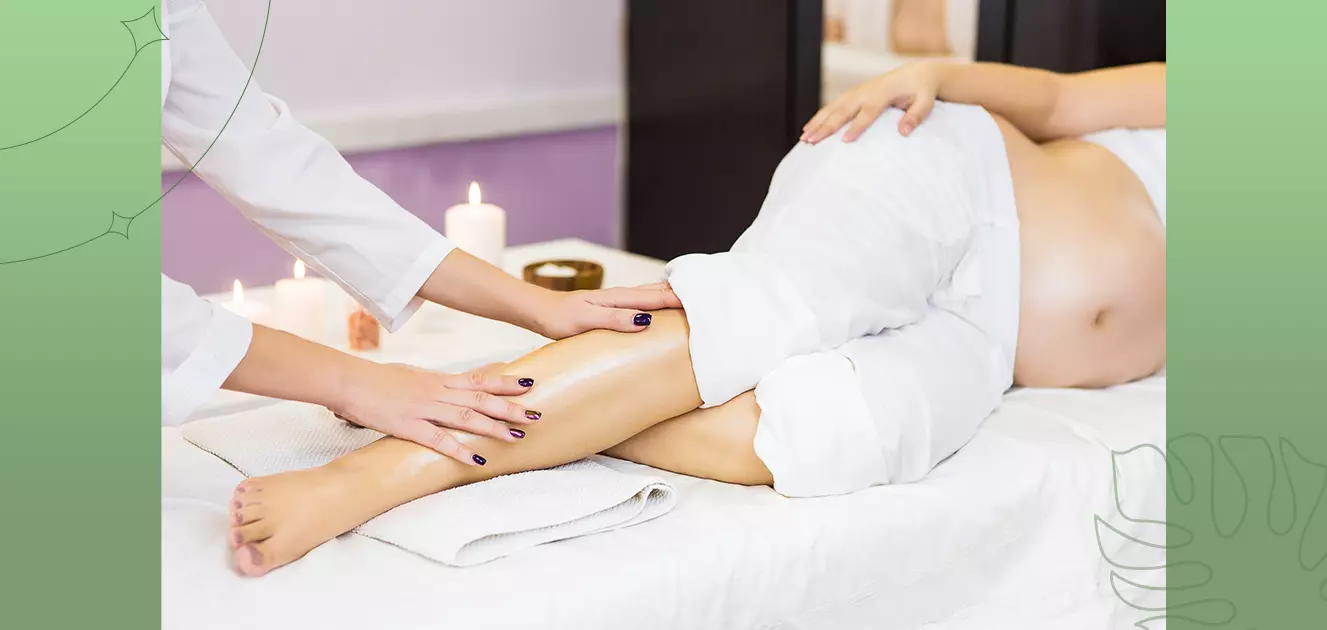
Your favourite shoes no longer fit. Your ankles look puffy by the afternoon. Standing for more than a few minutes leaves your feet feeling heavy and tight. If this sounds familiar, you are not alone, and you are not imagining it. Swollen ankles and feet are one of the most common discomforts of pregnancy, especially in the second and third trimesters.
This kind of swelling is called Oedema, and while it is usually a normal part of pregnancy, it can be uncomfortable, exhausting, and at times worrying. The good news is that there are gentle, safe, and proven ways to ease it, and one of the most soothing options is pregnancy massage.
In this guide, you will learn what Oedema actually is, why it happens during pregnancy, and how a properly trained prenatal therapist can help your body release fluid, improve circulation, and feel lighter again. You will also find practical tips you can use at home, signs that mean you should call your doctor, and clear advice on choosing a safe, qualified massage provider.
Whether you are in your second trimester and just starting to notice puffiness, or you are deep into your third trimester and counting down the days, this guide is here to support you with calm, accurate, and reassuring information.
What Is Oedema During Pregnancy?
Oedema is the medical term for swelling caused by extra fluid trapped in your body’s tissues. During pregnancy, your body produces around 50% more blood and bodily fluids than usual to support your growing baby. Some of that extra fluid naturally settles into the soft tissues, particularly in the lower body, leading to that familiar puffy feeling.
Pregnancy Oedema is most common in the second half of pregnancy, usually from around week 22 onwards, and it tends to peak in the third trimester. By the end of the day, after you have been on your feet, swelling often becomes more noticeable. Many women find that their ankles often look slimmer in the morning and puffier by evening.
Common Areas Affected by Pregnancy Swelling
- Ankles and feet are often the first and most affected areas
- Lower legs, especially around the calves
- Hands and fingers, sometimes making rings feel tight
- The face, particularly around the eyes (mild puffiness only)
Mild, gradual swelling that gets better when you rest or elevate your feet is usually nothing to worry about. It is your body’s way of carrying the extra fluid your baby needs.
Causes of Swollen Ankles in Pregnancy
Several changes happen in your body during pregnancy that work together to cause swelling. Understanding these causes can help you feel more in control and choose the right strategies for relief.
1. Increased Blood and Fluid Volume
Your blood volume increases significantly during pregnancy to nourish your baby and prepare your body for birth. With more fluid circulating, some of it naturally moves into your tissues, which is why your ankles, fingers, and feet may look fuller.
2. Hormonal Changes
Pregnancy hormones, especially progesterone, relax the walls of your blood vessels. While this is essential for a healthy pregnancy, it also makes it easier for fluid to leak from blood vessels into surrounding tissues.
3. Pressure from Your Growing Uterus
As your baby grows, your uterus puts pressure on the large veins in your pelvis, particularly the inferior vena cava. This slows the return of blood from your legs back to your heart, causing fluid to pool in your lower body.
4. Gravity and Prolonged Standing
Gravity naturally pulls fluid downward, so the longer you stand or sit with your feet down, the more swelling you may notice. This is why many women find their ankles feel heavier at the end of the day.
5. Diet and Hydration
It might seem counterintuitive, but not drinking enough water can actually worsen swelling, because your body holds onto fluid when it senses it is dehydrated. A diet high in salt or processed foods can also encourage your body to retain extra water.
Symptoms to Watch: Normal vs Warning Signs
Most pregnancy swelling is harmless, but it is important to know when something might need medical attention. Here is a clear way to tell the difference.
Normal Swelling Looks Like This
- Gradual puffiness in your feet, ankles, and lower legs
- Worse at the end of the day or after long periods of standing
- Improves overnight or after you rest with your feet up
- Affects both legs equally
- No pain, redness, or warmth in the swollen area
Warning Signs to Take Seriously
Contact your doctor or midwife straight away if you notice any of the following:
- Sudden, severe swelling in your face, hands, or around your eyes
- Swelling in only one leg, especially with pain, warmth, or redness (This can indicate a blood clot)
- A severe headache, blurred vision, or pain just below your ribs
- Sudden weight gain over a short period
- Reduced urination or very dark urine
These symptoms can sometimes point to conditions such as preeclampsia or deep vein thrombosis, both of which need prompt medical care. When in doubt, always call your healthcare provider. It is far better to check than to worry.
What IS Pregnancy Massage (Prenatal Massage)?
Pregnancy massage, also called prenatal massage, is a specialised form of therapeutic massage designed specifically for the changing body of an expecting mother. It is not the same as a regular massage. Trained prenatal therapists adapt every aspect of the session, from positioning and pressure to the techniques they use, to keep you and your baby safe.
A typical prenatal massage uses gentle, flowing strokes rather than the deep pressure you might find in sports or deep tissue massage. The therapist focuses on areas where pregnant women commonly experience tension and discomfort, such as the lower back, hips, legs, and feet, while avoiding pressure points and positions that are not recommended during pregnancy.
Common Techniques Used In Pregnancy Massage
- Gentle Swedish-style strokes to ease tension and relax muscles
- Light lymphatic drainage to help the body release excess fluid
- Soft compression and stroking on the legs to support circulation
- Targeted relief for the lower back, shoulders, and hips
- Side-lying positioning with supportive pillows for comfort and safety
Above all, prenatal massage is gentle, slow, and focused on comfort. It should never feel painful or rushed.
How Pregnancy Massage Helps with Oedema
Pregnancy massage is one of the most effective non-medical ways to ease swelling, and there are clear, well-understood reasons why it works.
It Supports the Lymphatic System
Your lymphatic system is a network of vessels that helps drain excess fluid from your tissues. Unlike your circulatory system, it does not have a pump, so it relies on body movement and gentle external pressure to keep fluid moving.
A trained therapist can use light, rhythmic strokes to encourage this drainage, helping your body release trapped fluid.
It Improves Blood Circulation
Gentle massage on the legs and feet helps blood return more easily to your heart, reducing the pooling that causes ankle swelling. Better circulation also means more oxygen and nutrients reaching your tissues, which can ease that heavy, achy feeling.
It Reduces Fluid Buildup
By combining lymphatic drainage techniques with elevation of the legs, your therapist can help shift fluid away from your ankles and feet. Many women notice that their feet feel visibly lighter and more flexible right after a session.
It Eases Pressure and Discomfort
Swollen tissues can feel tight and tender. Massage helps soften and relax these areas, reducing the sensation of pressure.
It also supports the muscles that may be working overtime to compensate for swelling and a shifting center of gravity.
It Promotes Deep Relaxation
Stress hormones can worsen fluid retention and tension. The calm, supportive environment of a prenatal massage encourages your body to switch into a rest-and-restore state, which helps with both swelling and overall well being.
Key Benefits of Pregnancy Massage
Beyond easing swollen ankles, pregnancy massage offers a range of benefits that can make the journey to motherhood more comfortable and enjoyable.
- Reduced swelling in the ankles, feet, and hands
- Relief from lower back, hip, and leg pain
- Less tension in the shoulders and neck, especially helpful as posture changes
- Improved sleep quality, which is often disturbed in later pregnancy
- Reduced anxiety and a calmer mood
- Support for hormonal balance through deep relaxation
- Better mobility and flexibility as your body adapts
- A nurturing, restorative break that supports your emotional wellbeing
Many women describe their prenatal massage sessions as one of the few times during pregnancy when they truly feel cared for, comfortable, and at ease in their own body.
Is Pregnancy Massage Safe?
When performed by a qualified prenatal therapist, pregnancy massage is widely considered safe and beneficial for most women. However, there are some important guidelines to follow.
When Pregnancy Massage Is Generally Safe
Most women can safely enjoy prenatal massage from the second trimester onwards, after about 12 to 14 weeks. Many therapists prefer to wait until the first trimester is complete, as this is the period when miscarriage risk is naturally highest, even without massage.
Why A Certified Prenatal Therapist Matters
Pregnancy massage requires specific training. A qualified therapist will know which techniques and positions are safe, which areas of the body to avoid, and how to adapt the session if your needs change throughout pregnancy. Always ask about a therapist’s prenatal qualifications before booking.
When To Avoid Massage Or Speak To Your Doctor First
Pregnancy massage may not be suitable, or may need adjustment, in the following situations:
- High-risk pregnancy or a history of pregnancy complications
- History of preterm labour or current contractions
- Severe swelling, sudden swelling, or signs of preeclampsia
- Blood clots or a history of clotting disorders
- Active infection, fever, or flu-like symptoms
- Placenta issues, such as placenta previa
- Recent bleeding or unusual abdominal pain
Always check with your midwife or doctor if you are unsure whether massage is right for you. A good prenatal therapist will also ask about your medical history before starting any session.
Massage Techniques Used for Swollen Ankles and Oedema
If reducing swelling is your main goal, your therapist will tailor the session to focus on circulation and lymphatic flow. Here are the techniques most commonly used.
Lymphatic Drainage
This is a very light, rhythmic technique that follows the natural pathways of your lymphatic system. The therapist uses slow, gentle strokes to encourage trapped fluid to move out of your ankles and lower legs and back into circulation, where your body can process and release it.
Effleurage Strokes
Effleurage is a long, smooth, gliding stroke usually performed with the flat of the hand. On the legs, it is done in an upward direction, from the ankles toward the heart, to support venous return and gently move fluid out of swollen areas.
Elevation Techniques
Your therapist may position your legs slightly higher than your heart using cushions or bolsters. This uses gravity to your advantage, helping fluid drain more easily during the session.
Gentle Compression
Light, rhythmic compression along the calves and feet can support the muscle pump that helps return blood and fluid to the upper body. The pressure is always soft and adjusted to your comfort.
Foot And Ankle Mobilisation
Slow, supported movement of the ankles and gentle work on the feet can ease stiffness, encourage drainage, and bring noticeable relief, especially after a long day.
What to Expect During a Pregnancy Massage Session
If you have never had a prenatal massage before, knowing what to expect can help you feel relaxed and ready to enjoy the experience.
Before The Session
You will usually start with a brief consultation. Your therapist may ask about how far along you are, any health concerns, your areas of discomfort, and whether your doctor has any special advice. This is the perfect time to mention swelling, sleep issues, or any aches you would like to address.
Positioning
From around 20 weeks, lying flat on your back for long periods is generally not recommended, and lying on your stomach is no longer comfortable. Instead, you will most likely be positioned on your side with supportive pillows under your head, between your knees, and around your bump. Some clinics also use specially designed pregnancy cushions or tables.
During The Massage
Sessions usually last between 60 and 75 minutes. The therapist will use gentle, flowing strokes, focusing on areas that need attention. If swelling is your main concern, expect more time spent on your legs, feet, and ankles, with elevation and lymphatic-style work.
Communication Is Key
You should always feel free to speak up. If a position is uncomfortable, if pressure feels too firm, or if you simply need a break, let your therapist know. A good prenatal therapist welcomes feedback because comfort is the priority at every stage.
After The Session
Many women feel lighter, looser, and noticeably less swollen after a session. You may also feel deeply relaxed and a little sleepy, which is perfectly normal. Drink plenty of water afterwards to support your body in flushing out the fluid that has been mobilised.
Additional Ways to Reduce Swelling Naturally
Massage works best when combined with simple daily habits that support circulation and reduce fluid buildup. Try adding these gentle strategies to your routine.
Elevate Your Feet Whenever You Can
Raising your feet above your heart for 15 to 20 minutes a few times a day can make a real difference. Lie down on a sofa with cushions under your ankles, or rest with your legs propped against a wall.
Stay Well Hydrated
Drinking plenty of water actually helps your body release excess fluid rather than hold on to it. Aim for around 8 to 10 glasses a day, or more if it is warm or you are active.
Move Gently And Often
Light exercise, such as walking, prenatal yoga, or swimming, encourages your circulation and helps prevent fluid pooling. Even short, gentle ankle circles while sitting can support drainage.
Consider Compression Socks
Maternity-friendly compression socks or stockings apply gentle pressure to your lower legs, helping prevent fluid from settling in your ankles. They are particularly useful if you spend long hours standing, sitting, or travelling.
Watch Your Salt And Processed Food Intake
Too much salt encourages your body to hold extra water. You do not need to cut salt out, but try to focus on whole, fresh foods and limit processed snacks, ready meals, and salty takeaways.
Avoid Standing Or Sitting In One Position Too Long
Whenever possible, change positions, stretch your legs, and take short walking breaks. Even a few minutes of movement every hour helps keep fluid moving.
Sleep On Your Left Side
Sleeping on your left side takes pressure off the large vein that returns blood from your legs to your heart, which can ease swelling overnight.
When NOT to Get a Pregnancy Massage
While pregnancy massage is gentle and safe for most women, there are situations where it is best to wait or skip it altogether. Avoid massage and speak to your doctor first if you have any of the following:
- Severe or sudden swelling, especially in the face or hands, which may indicate preeclampsia
- A fever, infection, or any signs of illness
- Known or suspected blood clots, or a history of clotting disorders
- Vaginal bleeding, leaking fluid, or unusual abdominal pain
- Pre-term contractions or any signs of early labour
- Any condition where your healthcare provider has advised against massage
Listening to your body and your medical team is always the safest path. A reputable prenatal therapist will also decline a session or adapt it carefully if any of these issues are present.
Choosing the Right Pregnancy Massage Provider
Not every massage therapist is trained to work with pregnant clients, and the difference in skill and safety can be significant. Here is what to look for when choosing a provider.
Certified Prenatal Training
Look for a therapist with specific, recognised training in prenatal or pregnancy massage. They should be confident discussing trimester-specific techniques, contraindications, and safe positioning.
Hygiene And Safety Standards
Choose a clinic or spa that maintains high cleanliness standards, uses fresh linens and disposable products where appropriate, and has a calm, professional environment.
Experience With Pregnant Clients
Ask how often they work with pregnant women, and whether they have experience helping with oedema specifically. An experienced therapist will be comfortable answering your questions and tailoring sessions to your needs.
Reviews And Reputation
Read genuine reviews from other expecting mothers. Comments about gentleness, professionalism, comfort, and noticeable relief from swelling are good signs.
Communication And Warmth
Pregnancy is a sensitive time. The right therapist will listen carefully, explain what they plan to do, and check in with you throughout the session. You should always feel respected, comfortable, and in safe hands.
Why Professional Care Matters
It can be tempting to ask a partner or friend to rub your aching feet, and gentle support at home is wonderful. However, when it comes to actively treating pregnancy swelling, professional care offers real advantages.
- Trained therapists understand the anatomy of pregnancy and know exactly how to support, not strain, your changing body
- They use techniques specifically designed to encourage lymphatic drainage and circulation, which is hard to replicate at home
- They know how to position you safely so you can fully relax without worrying about your bump
- They can spot signs that something might need medical attention and refer you appropriately
- They offer a calm, dedicated space where you can switch off completely, something that is often hard to find in daily life
In short, professional pregnancy massage is not just a treat. It is a thoughtful, supportive part of your prenatal care.
Frequently Asked Questions
1. How Often Should I Get A Pregnancy Massage For Swollen Ankles?
Most women benefit from a prenatal massage every two to four weeks during the second trimester, increasing to once a week or fortnightly in the third trimester if swelling is significant. Your therapist can recommend the right rhythm based on how your body responds. If your ankles tend to swell heavily by midweek, a regular weekly session can help keep fluid buildup under control rather than letting it accumulate.
2. Can I Get A Pregnancy Massage In The First Trimester?
Many therapists prefer to wait until after the 12 to 14 week mark before starting prenatal massage. This is not because massage causes harm, but because the first trimester carries the highest natural risk of miscarriage, and most therapists want to avoid any perceived link with their treatment. If you are in your first trimester and considering massage, speak to your midwife or GP first, and choose a therapist who is fully comfortable working with early pregnancy.
3. Will Pregnancy Massage Really Make A Noticeable Difference To My Swelling?
Yes, most women feel a clear difference straight after a session. Your ankles often look slimmer, your feet feel lighter, and your shoes may even fit a little better that evening. The effect is most pronounced when massage is combined with elevation, hydration, and gentle daily movement. Regular sessions tend to give better, longer-lasting relief than one-off appointments.
4. Is It Safe To Massage My Own Ankles At Home?
Light, gentle self-massage is generally safe and can feel wonderful between professional sessions. Use slow, upward strokes from your ankles toward your knees, never press hard, and avoid deep pressure on the inside of your ankles or calves where blood clots can form. If you have any history of clotting, varicose veins, or significant swelling, check with your doctor before doing self-massage at home.
5. How Is Pregnancy Massage Different From A Regular Spa Massage?
A pregnancy massage is gentler, slower, and uses pregnancy-safe positioning, usually side-lying with supportive pillows rather than face-down or flat on your back. The pressure is lighter than a deep tissue or sports massage, and certain pressure points and abdominal techniques are avoided. A trained prenatal therapist also adapts the session based on your trimester, your comfort, and any pregnancy-specific concerns like swelling, sciatica, or back pain.
A Gentle, Safe Path to Relief
Swollen ankles and oedema can be one of the most uncomfortable parts of pregnancy, but they do not have to define your experience. With a clearer understanding of why swelling happens, what is normal, and when to seek medical advice, you can move through your pregnancy feeling more informed and more confident.
Pregnancy massage offers a beautifully gentle way to ease that swelling, support your circulation, and give your body the rest it deserves. Combined with simple home strategies like elevating your feet, staying hydrated, and moving gently, regular prenatal massage can make a noticeable difference in how you feel each day.
Most importantly, you deserve care during this season of your life. Slowing down for an hour, lying supported on your side, and letting a trained therapist help your body release built-up tension and fluid is not an indulgence. It is part of looking after yourself and your baby.
Experience Expert Pregnancy Massage At Meridian Spa, Greenwich
If you are looking for safe, expert pregnancy massage in London, Meridian Spa in Greenwich offers a calm, welcoming sanctuary designed with expecting mothers in mind.
Our certified prenatal therapists are specially trained to support women through every stage of pregnancy, with particular care for common concerns like swollen ankles, lower back pain, fluid retention, and tension. Every session is gently tailored to your trimester, your comfort, and your specific needs.
Whether this is your first pregnancy or your fourth, you deserve a moment of true rest. Let our team help you breathe deeper, move easier, and feel more like yourself again.
Book your pregnancy massage at Meridian Spa today and give yourself and your baby the gift of expert, gentle care.