
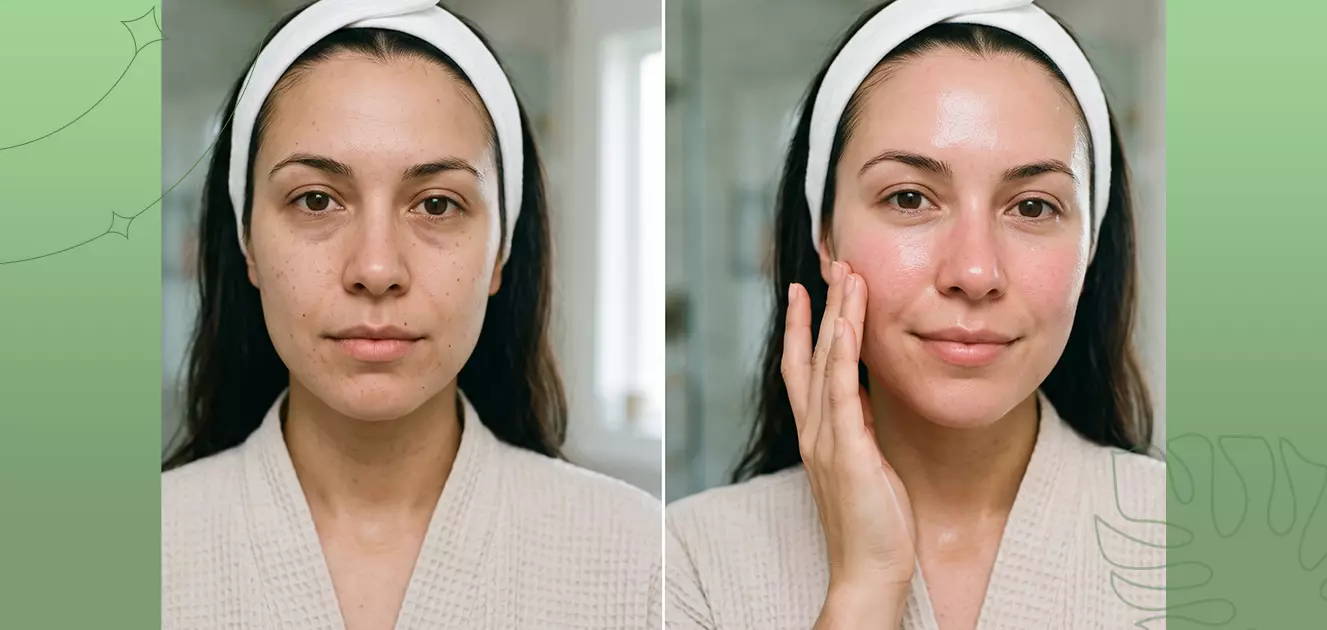
A facial treatment can leave your skin feeling softer, smoother and more hydrated. However, the results are not always immediate, and some treatments may cause temporary redness, dryness or sensitivity. Understanding these responses can help you make informed decisions about your skincare.
After a facial treatment, you may notice improved hydration, a brighter-looking complexion, and smoother skin texture. Mild redness or tightness can also occur, particularly after exfoliation or extractions. The response depends on your skin condition, the products used, and the treatment performed.
Not every facial produces the same results. A gentle hydrating facial differs from a resurfacing treatment, while technology-assisted facials may involve additional precautions.
This guide explains what happens before and after a facial treatment, which changes are reasonable to expect, possible side effects, and how to care for your skin afterwards. It also explores the professional facial treatments available at Meridian Spa in Greenwich, London.
What changes can you expect before and after a facial treatment?
Facial treatments can temporarily improve skin hydration, surface texture and overall appearance. The extent of these changes depends on your existing skin condition and the methods used during your appointment.
Professional facials may involve cleansing, exfoliation, massage, masks and moisturising products. Some also include targeted technologies or additional procedures.
Although these treatments can improve the skin’s appearance, they do not necessarily address the underlying causes of medical skin conditions.
Immediate changes in skin hydration and appearance
The most noticeable change following a gentle facial is often how the skin feels.
Moisturising ingredients can temporarily increase hydration in the outermost layer of the skin, known as the stratum corneum. This can make the skin feel softer and appear smoother.
You may notice:
- Reduced feelings of dryness or tightness.
- A smoother-feeling skin surface.
- A temporary improvement in skin radiance.
- Less visible surface flaking.
- A more comfortable, moisturised complexion.
Some people notice these changes immediately after treatment. Others experience little visible difference, particularly if their skin was already well hydrated.
A brighter-looking complexion does not necessarily indicate that pigmentation, scarring or underlying skin damage has been corrected.
What can a facial treatment realistically improve?
Different types of facial treatments address different cosmetic concerns. However, it is important to distinguish temporary improvements in appearance from lasting structural changes.
| Skin concern | Possible result after a facial | Important limitation |
| Dry or dehydrated skin | Improved surface hydration and softness | Hydration benefits may be temporary |
| Dull complexion | A fresher, brighter appearance | Does not necessarily correct pigmentation |
| Rough texture | Smoother-feeling skin after suitable exfoliation | Cannot reliably remove deep acne scars |
| Fine lines | Temporary reduction in their appearance through hydration | Does not permanently remove wrinkles |
| Congested skin | Some improvement in surface congestion | Does not cure acne |
| Sensitive skin | Improved comfort after suitable gentle skincare | May still react to certain ingredients |
| Reduced skin firmness | Temporary cosmetic improvement in facial firmness | Does not provide surgical lifting results |
For example, a moisturising facial may make dehydration-related fine lines less noticeable. However, the same treatment cannot be expected to remove deeper wrinkles caused by structural changes associated with ageing.
Similarly, exfoliation can improve the appearance of an uneven skin surface, but it will not necessarily resolve persistent pigmentation or scarring.
Why facial treatment results differ between people
Two people can receive the same facial and experience different outcomes.
Several factors influence the response:
- Skin condition: Dry, oily, combination, and sensitive skin may respond differently.
- Skin barrier health: Already irritated skin may be less tolerant of exfoliating ingredients.
- Treatment intensity: A gentle hydrating facial may cause less irritation than a resurfacing procedure.
- Ingredient sensitivity: Fragrance, preservatives and active skincare ingredients may trigger reactions in susceptible individuals.
- Existing skin conditions: Acne, eczema and rosacea can influence treatment suitability.
- Aftercare: Additional exfoliation, excessive heat and sun exposure may affect recovery.
The aim should be to select a treatment that matches your skin’s current needs rather than expecting results identical to those shown in someone else’s before-and-after photographs.
If you are unsure which procedure is suitable, Meridian Spa’s guide to choosing the right facial treatment for your skin explains the main considerations.
How long does it take to see results from facial treatments?
Some facial treatment results are visible immediately, while other changes develop or settle over the following days. The timing depends on the procedure, your skin’s sensitivity and the intended outcome.
A moisturising facial may leave the complexion looking refreshed straight away. Treatments involving stronger exfoliation may require more recovery time before the final cosmetic appearance can be assessed.
Immediately after the facial
Following a gentle facial, your skin may feel hydrated and smooth. Any temporary improvement in radiance is often most noticeable shortly after the appointment.
However, some people experience:
- Mild pinkness or flushing.
- Temporary skin sensitivity.
- A slightly warm sensation.
- Tightness following cleansing or exfoliation.
These reactions are not guaranteed, and their absence does not mean that the treatment was ineffective.
The response should be assessed according to the specific procedure rather than a universal expectation that every facial must produce visible changes.
During the first 24–48 hours
During the first day or two, mild, temporary irritation may settle.
If your treatment involved exfoliation or extractions, you may notice localised sensitivity or areas that feel drier than usual.
Avoid interpreting discomfort as evidence that the facial is working. Significant burning, worsening redness, or persistent pain are not expected benefits.
Continue following the aftercare advice provided by your therapist, particularly if your treatment included resurfacing or technology-assisted procedures.
Over the following days
The skin may continue to feel smoother or more hydrated, although cosmetic improvements can gradually diminish.
Following certain exfoliating treatments, dryness or superficial flaking may become more noticeable. This depends on the exfoliating method and its strength.
Not all facial treatments should cause peeling. In particular, visible peeling is not a necessary sign of successful treatment.
Facial treatment recovery timeline
| Period | Possible skin response | Recommended approach |
| Immediately afterwards | Hydrated appearance, smoothness or mild pinkness | Avoid unnecessary irritation |
| First 24 hours | Temporary sensitivity or tightness | Follow your therapist’s aftercare instructions |
| 24–48 hours | Mild reactions may settle | Continue gentle skincare and sun protection |
| Following days | Continued cosmetic improvement or treatment-related dryness | Monitor changes and avoid picking at flaking skin |
| Longer term | Temporary improvements may gradually fade | Maintain a suitable home skincare routine |
This timeline is illustrative. It is not a guaranteed recovery schedule and may not apply to every facial procedure.
The frequency of follow-up appointments also varies. If you are considering ongoing treatments, read Meridian Spa’s advice on how often you should get a facial.
What side effects are possible after a facial treatment?
Possible side effects include temporary redness, dryness, tightness, stinging, and occasional breakouts. While some reactions are mild and short-lived, persistent or worsening symptoms may indicate irritation, an allergic reaction, or another skin problem.
The American Academy of Dermatology explains that facial redness can have several causes, including contact dermatitis, rosacea, and irritation.
Understanding these differences is important because not every reaction after a facial is normal.
Mild redness and temporary sensitivity
Redness may occur when the skin is exposed to friction, heat, exfoliating ingredients, or certain active products.
Mild pinkness that improves after treatment may be a temporary response. However, any increase in redness or discomfort should not be dismissed.
People with rosacea or easily irritated skin may be especially sensitive to certain skincare ingredients and procedures.
Redness can also appear differently across skin tones. On darker skin, inflammation may be less visibly red and may instead present as darkening, warmth, tenderness or changes in texture.
Dryness, tightness and flaking
Some facial treatments temporarily alter the skin’s surface through cleansing and exfoliation.
This can produce dryness or tightness, especially if the skin was already dehydrated or sensitive.
An important distinction is whether the sensation is mild and improving or persistent and uncomfortable.
Skin that feels increasingly sore, irritated or excessively dry may need a simpler skincare routine and professional assessment.
Do not deliberately remove flaking skin or apply additional exfoliating products to speed up the process.
Breakouts after a facial
Small spots may appear following some treatments, particularly where the skin has been manipulated or new products have been introduced.
Possible explanations include:
- Irritation from treatment products.
- Blocked pores.
- Sensitivity to certain ingredients.
- Inflammation following extractions.
- A pre-existing acne condition.
Breakouts are sometimes described online as skin purging. However, this term should not be used to describe every new spot or rash that appears after a facial.
An itchy rash, burning sensation, or widespread irritation may indicate contact dermatitis rather than an expected skincare response.
The NHS guidance on contact dermatitis explains how exposure to irritants or allergens can produce skin inflammation.
When should you seek medical advice?
Most gentle facials do not require a recovery period. Nevertheless, certain symptoms should be assessed promptly.
| Symptom | Possible concern | Recommended action |
| Mild pinkness that settles | Temporary irritation | Follow appropriate aftercare |
| Slight dryness or tightness | Surface dryness | Use suitable gentle skincare |
| Persistent burning or increasing irritation | Significant product irritation | Stop using suspected products and seek advice |
| Blistering or severe pain | Possible skin injury | Seek prompt medical assessment |
| Spreading redness, increasing warmth, discharge or fever | Possible infection | Seek urgent medical advice |
| Swelling of the tongue or throat, or difficulty breathing | Possible severe allergic reaction | Call 999 immediately |
If your skin becomes increasingly painful, swollen or inflamed, contact an appropriate healthcare professional rather than waiting for the symptoms to disappear.
A facial should not leave you feeling that severe discomfort is necessary to achieve better skin.
Do different types of facial treatments have different recovery needs?
Yes. The techniques, ingredients and equipment used during a facial can affect both the immediate result and the necessary aftercare.
A treatment that focuses on moisturising and gentle massage may have different recovery considerations from one involving exfoliation or electrical technology.
At Meridian Spa, the facial menu includes ELEMIS Touch treatments and ELEMIS BIOTEC technology-assisted treatments.
ELEMIS Touch facial treatments
ELEMIS Touch facials combine professional skincare products with manual techniques selected according to the intended cosmetic outcome.
For example, Meridian Spa offers:
- Sensitive Skin Soother: designed for delicate or reactive-looking skin.
- Superfood Pro-Radiance: for dull, tired-looking complexions.
- Peptide 24/7 Skin Sync: intended to improve the appearance of tired skin.
- Pro-Collagen Age Defy: focused on the appearance of fine lines and ageing.
- Anti-Blemish Mattify and Calm: designed for oily or congested skin.
A gentle moisturising treatment may leave the skin feeling comfortable and hydrated with little noticeable recovery.
However, even products described as soothing can trigger reactions in individuals with particular ingredient allergies or sensitivities.
Treatment choice should therefore be based on an assessment of your current skin condition and relevant medical or skincare history.
Explore Meridian Spa’s ELEMIS Touch facial treatments to learn more about the available options.
Exfoliating and resurfacing facials
Resurfacing facials aim to improve skin texture through exfoliation.
Depending on the method, they may remove or loosen some of the dead cells on the skin’s outer surface.
Meridian Spa’s Dynamic Precision Peel is an example of a facial focused on resurfacing and addressing uneven texture.
Following exfoliation, some people experience increased sensitivity, tightness, or dryness.
The strength of the exfoliating ingredients and the condition of the skin influence these effects.
Additional precautions may include:
- Avoiding unnecessary exfoliation afterwards.
- Using gentle cleansing products.
- Maintaining adequate moisturisation.
- Protecting the skin from sunlight.
- Following any specific restrictions on retinoids or other active products.
Resurfacing procedures should not be treated as interchangeable. A gentle spa exfoliation is different from a deeper medical-grade chemical peel, and recovery guidance must reflect the actual procedure.
ELEMIS BIOTEC technology-assisted facials
Technology-assisted facials use specialised equipment alongside skincare products and manual techniques.
Meridian Spa’s BIOTEC menu includes treatments using methods such as microcurrent, ultrasonic exfoliation and galvanic technology, depending on the selected service.
Examples include:
| BIOTEC treatment | Main cosmetic focus |
| BIOTEC Line Eraser | Appearance of fine lines |
| BIOTEC Firm-a-Lift | Facial contour and firmness |
| BIOTEC Peptide 24/7 Skin Sync | Tired-looking skin |
| BIOTEC Skin Resurfacer | Texture and uneven-looking skin |
| BIOTEC Radiance Renew | Dull complexion |
| BIOTEC Blemish Control | Oily and congested skin |
| BIOTEC Sensitive Skin Soother | Sensitive-looking skin |
| BIOTEC Men’s Super Charged | Cleansing and exfoliation |
These treatments do not all work in the same way.
For example, a microcurrent-based facial requires different suitability checks from a treatment focused on ultrasonic exfoliation.
Certain implanted electronic devices, medical conditions, or other circumstances may make particular modalities unsuitable. Suitability should be determined using the equipment manufacturer’s instructions and an appropriate consultation.
Technology-assisted facial results should also be interpreted realistically. Temporary changes in appearance do not establish permanent facial lifting or structural skin repair.
You can explore the available ELEMIS BIOTEC facial treatments at Meridian Spa before your appointment.
Why your skin assessment matters
A treatment consultation is an opportunity to identify factors that may affect your results or safety.
Before a facial, tell your therapist about:
- Previous allergic reactions to skincare products.
- Existing conditions such as eczema, acne or rosacea.
- Recent skin irritation or sunburn.
- Prescription creams or acne medication.
- Recent chemical peels, laser treatments or injectable procedures.
- Pregnancy, relevant medical conditions or implanted devices where applicable.
An appropriate consultation can help identify whether a treatment needs to be modified, postponed or avoided.
It is also important to recognise the limits of a spa consultation. A beauty therapist cannot replace a dermatologist or GP when a skin condition requires medical diagnosis.
How should you care for your skin after a facial?
The most reliable general aftercare approach is to keep skincare gentle, moisturise appropriately, protect your skin from the sun and follow the instructions provided for your treatment.
Your routine should reflect what was done during the appointment.
For example, a gentle hydrating facial may require few changes to your normal routine, while exfoliating treatments may require more caution.
Cleanse without irritating your skin
After a facial, avoid excessive washing or scrubbing.
When cleansing is permitted by your treatment instructions:
- Choose a mild cleanser suitable for your skin.
- Use lukewarm rather than very hot water.
- Avoid abrasive cleansing brushes or scrubs.
- Pat the skin dry instead of rubbing vigorously.
If your facial involved a stronger peel or another procedure with specific cleansing restrictions, follow those instructions rather than general skincare advice.
You do not need to wash your face repeatedly to maintain the results of a professional facial.
Moisturise to support skin comfort
Moisturisers help reduce water loss from the skin and can improve dryness or tightness.
Look for products that are appropriate for your skin condition and the procedure performed.
For sensitive or irritated skin, simpler fragrance-free formulations may be preferable to introducing several new active products immediately after treatment.
Ingredients such as glycerin and ceramides are commonly used in moisturising skincare, although product suitability varies from person to person.
Do not assume that a more expensive or more concentrated product will help your skin recover more effectively.
The goal is to maintain comfort and avoid introducing unnecessary irritation.
Protect your skin from sunlight
Sun protection is particularly important following exfoliating or resurfacing treatments.
The American Academy of Dermatology recommends broad-spectrum sunscreen with an SPF of at least 30 as part of effective sun protection.
In addition to sunscreen, consider:
- Seeking shade when sunlight is strongest.
- Wearing a suitable hat outdoors.
- Avoiding deliberate tanning.
- Reapplying sunscreen as directed.
- Following any additional sun-avoidance advice after resurfacing.
These precautions remain important even when your skin does not appear visibly irritated.
People planning facials around a trip should also consider their expected sun exposure. Meridian Spa’s guide to pre- and post-holiday facials discusses how to plan treatments around your holiday.
When can you restart retinol, exfoliating acids and makeup?
There is no single timetable that applies to every facial.
The answer depends on the intensity of the treatment, the products used, and whether your skin is experiencing irritation.
Ingredients such as retinoids, glycolic acid, and salicylic acid can sometimes increase dryness or sensitivity.
Following an exfoliating facial, your therapist may recommend temporarily avoiding particular active ingredients.
Do not restart potentially irritating skincare simply because a fixed number of hours has passed. If your skin remains sore or inflamed, seek appropriate advice.
Similarly, makeup may be suitable soon after some gentle treatments but may need to be delayed following more intensive procedures.
Ask your therapist for specific instructions before leaving the appointment.
What should you avoid after an intensive facial?
Depending on the procedure, your aftercare advice may recommend avoiding:
- Additional facial scrubs or chemical exfoliants.
- Picking or pulling at peeling skin.
- Very hot baths, saunas or steam rooms.
- Vigorous exercise that increases heat and flushing.
- New skincare products containing potentially irritating ingredients.
- Unprotected sun exposure.
These restrictions are especially relevant when the skin is already sensitive or when the treatment involves intensive exfoliation.
However, they should not automatically be applied to every gentle spa facial.
The most appropriate advice is always based on the treatment you actually received.
Who should postpone or seek advice before a facial treatment?
People with active skin infections, broken or significantly irritated skin, unexplained rashes, or certain medical conditions may need to postpone a facial or seek professional advice first.
A treatment described as gentle is not necessarily suitable for everyone.
Active infections and damaged skin
A facial should generally be postponed or appropriately modified if there are active infections, open wounds or significant irritation in the area being treated.
Examples include:
- Active cold sores.
- Suspected bacterial skin infections.
- Open or weeping lesions.
- Significant sunburn.
- Unexplained painful rashes.
Manipulating already damaged skin may increase discomfort or create additional complications.
Seek appropriate medical advice where symptoms suggest infection or another underlying condition.
Eczema, rosacea and reactive skin
People with eczema or rosacea may be more susceptible to reactions from certain ingredients, heat or friction.
An active flare-up may make some facial procedures unsuitable.
Even if a treatment is marketed for sensitive skin, the products should still be assessed against your individual sensitivities.
The American Academy of Dermatology’s guidance for rosacea-prone skin emphasises gentle skincare, avoiding personal triggers and protecting the skin from sunlight.
A cosmetic facial cannot replace prescribed treatment for a medical skin condition.
If you experience persistent inflammation, unexplained redness or repeated reactions, seek assessment from a GP or dermatologist.
Medication and recent cosmetic procedures
Some medications and procedures can influence how the skin responds to exfoliation or other treatments.
Examples include prescription retinoids, certain acne therapies, recent laser procedures and chemical peels.
These factors may increase the importance of careful treatment selection and aftercare.
Always disclose relevant medication and recent procedures during your consultation.
Do not stop prescribed medication simply to receive a facial without consulting the healthcare professional responsible for your treatment.
Contraindications for technology-assisted treatments
Technology-assisted facials may have additional restrictions relating to their equipment.
For example, certain electrical treatment devices may be unsuitable for people with particular implanted electronic medical devices.
Other medical conditions may require additional screening, while pregnancy-related precautions depend on the specific modality and manufacturer’s instructions.
Because BIOTEC treatments use different techniques, eligibility should be assessed individually rather than using a single general checklist.
Where safety is uncertain, postponing a cosmetic procedure until appropriate advice is available is a reasonable precaution.
How do you know whether your facial treatment has worked?
A facial treatment should be assessed against its intended cosmetic purpose, not against exaggerated before-and-after claims.
If your main concern was dehydration, softer and more comfortable skin may be a meaningful result.
If the goal was smoother texture, you might assess whether the surface feels less rough over the next few days.
However, results should be proportionate to what the procedure can realistically achieve.
Choose a clear goal before booking
Before receiving a facial, consider what you want the treatment to address.
Possible goals include:
- Improving skin hydration.
- Reducing temporary feelings of tightness.
- Making rough surface texture feel smoother.
- Refreshing a dull-looking complexion.
- Supporting an enjoyable and relaxing skincare routine.
Avoid setting goals that require medical treatment or procedures beyond the scope of a spa facial.
For example, severe acne, persistent pigmentation, or significant scarring may require dermatological assessment rather than repeated cosmetic facials.
Compare skin appearance under similar conditions
If you want to evaluate before-and-after photographs, use consistent conditions.
Try to keep the following the same:
- Lighting.
- Camera angle.
- Distance from the camera.
- Whether you are wearing makeup.
- Facial expression.
- Time of day, where practical.
Different lighting can make wrinkles, pores and pigmentation appear more or less prominent.
A single photograph cannot demonstrate that a treatment has permanently changed the structure of your skin.
When should you consider another approach?
If your skin concern persists despite a suitable routine, it may be worth discussing it with a medical professional.
For example, recurrent inflammatory acne, unexplained pigmentation, persistent redness, and painful skin changes should not be managed exclusively through spa treatments.
Your therapist may be able to explain what a cosmetic facial can reasonably achieve, while a dermatologist can evaluate conditions that require diagnosis or medical treatment.
It is also worth considering that maintaining comfortable, healthy-feeling skin may depend more on consistent everyday care than frequent treatments.
For readers interested in specific approaches to fine lines and facial firmness, Meridian Spa’s article on collagen facial treatments provides further information.
What facial treatments are available at Meridian Spa in Greenwich?
Meridian Spa offers ELEMIS Touch facials and ELEMIS BIOTEC treatments designed to address different cosmetic skincare concerns. These include dryness, dullness, congestion, sensitive-looking skin and the appearance of fine lines.
The spa is located at 38 Creek Road, London SE8 3FN, making it accessible to clients in Greenwich, Deptford and nearby areas of South East London.
ELEMIS Touch facial treatments
The ELEMIS Touch range focuses on professional skincare products and manual facial techniques.
Options include Sensitive Skin Soother, Superfood Pro-Radiance, Dynamic Precision Peel and Pro-Collagen Age Defy.
Each has a different cosmetic focus, so the most suitable option depends on your skin’s current condition and tolerance.
You can view the professional facial treatments available at Meridian Spa to understand the range before booking.
ELEMIS BIOTEC facial treatments
Meridian Spa also offers BIOTEC facial treatments incorporating technology-assisted methods.
These include options focused on resurfacing, radiance, congestion and the appearance of facial firmness.
Some treatments use methods such as microcurrent or ultrasonic technology, making appropriate screening particularly important.
Explore the BIOTEC facial treatment options to compare their intended cosmetic outcomes.
What should you tell your therapist before your appointment?
Before your appointment, explain your main skincare concern and any previous reactions to cosmetic products.
You should also mention relevant medical conditions, medications, recent treatments and known allergies.
Ask what changes you can reasonably expect, whether the facial requires recovery time, and which products you should use afterward.
This conversation can help establish realistic expectations and reduce the likelihood of preventable irritation.
Frequently asked questions about facial treatments
How long does redness last after a facial treatment?
Mild redness following a gentle facial may settle relatively quickly, but there is no universal recovery time. The duration depends on skin sensitivity, ingredients, and treatment intensity. Worsening redness, severe discomfort, or persistent inflammation should be assessed by an appropriate healthcare professional rather than assumed to be normal.
Is it normal to get spots after a facial?
Some people develop spots after a facial, but breakouts are not a necessary or beneficial part of treatment. Possible causes include irritation, blocked pores, or reactions to skincare products. An itchy, painful, or spreading rash may indicate another problem and should not automatically be described as skin purging.
Can I wash my face after a facial treatment?
Gentle cleansing is often appropriate after a basic facial, but the timing depends on the procedure. Some exfoliating or resurfacing treatments require specific aftercare instructions. When washing is permitted, use a mild cleanser and lukewarm water, and avoid rubbing or exfoliating irritated skin.
How long do the results of a facial treatment last?
The duration varies depending on the treatment and the individual’s skin condition. Improvements in hydration, smoothness and radiance may be temporary, while ongoing skincare habits influence the skin’s longer-term appearance. There is no reliable single duration that applies to all facial procedures, and one appointment cannot guarantee lasting cosmetic changes.
Can facial treatments damage your skin?
Facial treatments can cause unwanted reactions when products or procedures are unsuitable for the skin. Potential complications include irritation, allergic contact dermatitis, burns, infection and pigmentation changes, depending on the method used. Proper consultation, appropriate treatment selection and aftercare help reduce avoidable risks but cannot eliminate them entirely.
Conclusion: What should you expect from a professional facial?
A professional facial treatment can be a useful part of a cosmetic skincare routine, particularly when the aim is to improve hydration, surface smoothness or the appearance of dull skin. However, the outcome depends on your skin condition, the treatment selected and how your skin responds afterwards.
Mild temporary sensitivity can occur, but significant or worsening symptoms should never be ignored. Gentle skincare, sun protection and treatment-specific aftercare are important for maintaining skin comfort.
At Meridian Spa in Greenwich, clients can explore ELEMIS Touch and technology-assisted BIOTEC facials based on their skincare goals. Understanding the realistic benefits and precautions before booking helps make each treatment a more informed choice.