
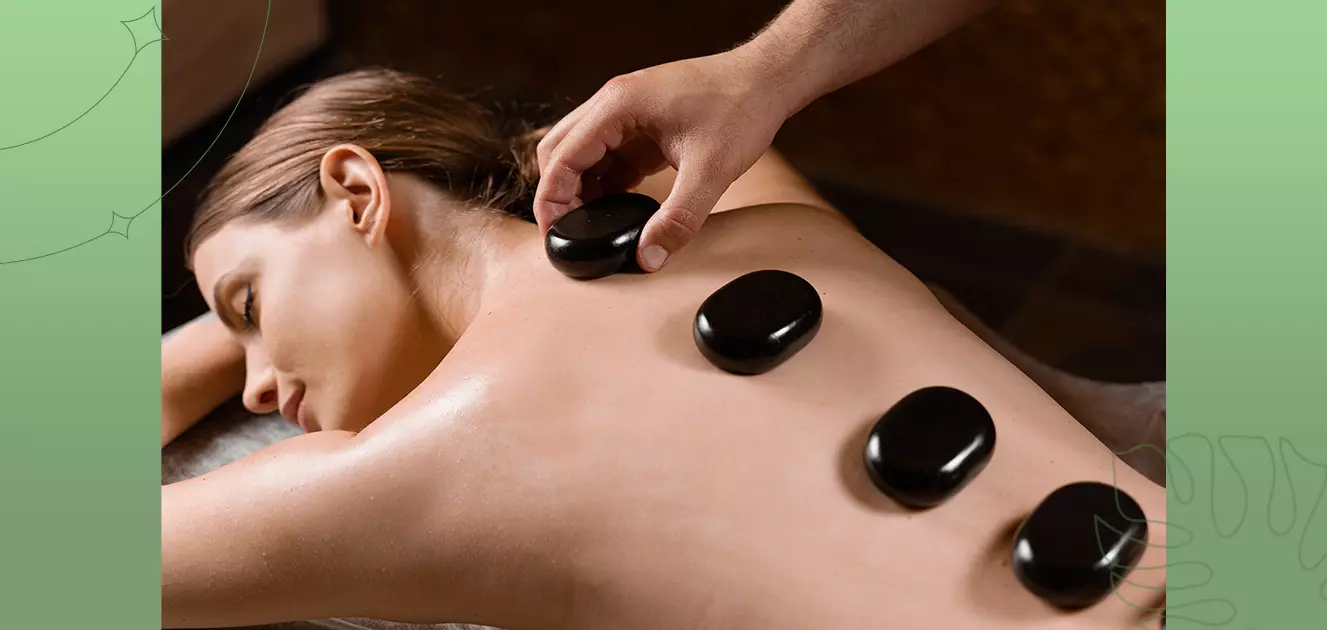
Hot stone massages are generally relaxing, but the added heat and circulatory stimulation can pose serious risks for individuals with certain medical conditions. If you have a fever, acute injury, or open wounds, you should completely avoid this therapy.
Hot stone massage is having a serious moment right now. Between TikTok wellness videos, spa day gift guides, and the growing push by younger generations to actually do something about their stress and burnout. But here is the thing that does not always make it into those glossy TikTok videos: hot stone massage is not the right treatment for everyone. In fact, it has more contraindications than a standard Swedish or sports massage, specifically because the heat element adds a whole extra layer of risk on top of teh physical pressure.
More than half of adults say they find it overwhelming trying to keep up with wellness trends, and a quarter admit they have been disappointed after buying into something that did not deliver on its promises. The wellness space moves fast, and the pressure to try everything can mean people book treatment without really understanding whether those treatments are right for them.
What makes a hot stone massage different from other massages?
During a hot stone massage, smooth volcanic basalt stones are heated to around 45 to 50 degrees Celsius and placed directly on the body, typically along the spine, on the backs of the legs, and on the shoulders. The stones are also sometimes held in the therapist’s hands as they work on the muscles. The heat helps muscles relax more quickly, which in turn allows the therapist to apply deeper pressure with less effort.
Research confirms that localised heat improves blood flow and circulation to the area where it is applied. This aids the healing of soft tissue and reduces muscle tension. That is exactly why the heat matters and also exactly why it creates risk for some people. Increased circulation, raised skin temperature, and sustained heat exposure are all things the body has to manage. For most healthy adults, that is fine. For others, it is where the problems start.
decision, or know when to speak to your GP first.
What is a contraindication in massage therapy?
A contraindication is simply a reason why a treatment may not be safe for you. In massage therapy, contraindications fall into two categories. Absolute contraindications mean the treatment should not go ahead at all. Relative or local contraindications mean the treatment can take place but needs to be adapted, for example, by avoiding a specific area of the body.
Hot stone massage has more contraindications than a standard Swedish or deep tissue massage because the heat element introduces additional risks on top of the physical pressure.
Who should not get a hot stone massage?
The short answer: anyone who cannot feel the full sensation of heat on their skin, anyone with a condition aggravated by increased blood flow, and anyone whose skin or immune system is already under strain. Here is a breakdown of the main groups.
So who should not get a hot stone massage?
People with conditions that affect sensation. This is one of the most important contraindications, and it is one that gets overlooked. If you have a condition that causes a loss of sensation, such as neuropathy, diabetes, high blood pressure, or peripheral vascular disorder, hot stone massage may not be safe for you.
Here is why that matters. The way the treatment stays safe is through ongoing communication between you and your therapist. If the stones are too hot, you need to be able to feel that and say so. If you have neuropathy, a common complication of diabetes that involves reduced feeling in parts of the body, you may not be able to tell when the stones are dangerously hot, and that is where burns happen.
Heat therapies, including hot stones, are contraindicated for anyone with decreased sensation resulting from sensory nerve damage, not just from diabetes but from any cause, including post-surgical nerve disruption.
If you are managing Type 2 diabetes and your sensation is intact, it is worth speaking to your GP before booking rather than assuming it is a blanket no. But if there is any neuropathy present, skip it.
1. Pregnant women
Hot stone massage is widely considered contraindicated during pregnancy. The combination of sustained heat and deeper pressure used in the treatment is not considered safe for pregnant clients.
- It should also be avoided if there is pre-eclampsia, hypertension, clotting disorders, DVT risk, significant varicose veins, or cardiovascular disease, as heat and positioning can add further strain in these circumstances.
- If you are pregnant and looking for a treatment that actually supports your body right now, pregnancy massage is the better route. Speak to your midwife before booking anything.
2. People with cardiovascular conditions
The heat from a hot stone massage raises circulation and puts more demand on the cardiovascular system. Cardiac patients require particular caution, especially those with a pacemaker. Clients with cardiac, liver, or kidney disorders should also approach this carefully, as the increase in circulation and the detoxification effect may place additional strain on these organs if they are already compromised.
People with arrhythmia are at especially high risk during a heated stone massage. If you have a diagnosed heart condition, have had a recent cardiac event, or take medication to manage your heart rate or blood pressure, this is a conversation for your GP first, not something to self-assess from a blog post.
3. People with varicose veins
Varicose veins look like a cosmetic issue, but they represent structural problems with the vein walls and valves, and heat makes them worse. Heat causes veins to dilate, which can worsen the pooling of blood in already compromised vessels. Massage techniques that involve significant heat application, including hot stone massage, should be avoided by people with varicose veins. Rapid or percussion-based techniques directed at the legs can also traumatise varicose veins. Even if the treatment feels fine in the moment, it can cause bruising, inflammation, or further complications where the vein walls are already weakened.
If your varicose veins are only on your legs and you want a treatment that focuses on the upper body, a therapist may be able to adapt the session, but this needs to be discussed at the consultation, not assumed.
4. People with skin conditions
Hot stone treatments can irritate a range of skin conditions, including burns, psoriasis, dermatitis, eczema, and shingles. This also applies to any area of inflamed or weakened skin, where the additional heat can make symptoms worse.
Acne, skin cancer, and existing burns are also on the list of conditions where hot stone treatment is not appropriate on or near affected areas. If your skin is currently clear and you have a history of flare-ups, mention it at your consultation. A good therapist will factor that into how the treatment is approached. If you are in an active flare, book something else for now.
5. People with a compromised immune system
According to the American Massage Therapy Association, people with lupus should avoid massage modalities that increase inflammation, and that includes hot stone massage and other heat-based therapies.
If your immune system is compromised due to lupus, mononucleosis, Epstein-Barr, or cancer, a hot stone massage may not be the best option. Prioritising your physical health and speaking to your physician about what is safe for you comes first.
The heat and increased circulation that make hot stone massage feel so restorative for a healthy person can place real pressure on an immune system that is already stretched.
6. People who have recently had surgery, chemotherapy, or radiation
Hot stone massage is not recommended immediately following surgery, chemotherapy, or radiation treatments. The body needs adequate time to heal before this type of therapy is appropriate.
A general guide for post-surgery clients is to wait at least six weeks and get clearance from your consultant or GP before returning to any massage treatment. If your surgery involved any nerve disruption or if chemotherapy has caused peripheral neuropathy, the sensation-related contraindications above also apply to you.
Why Gen Z especially needs to know this
Younger generations have become highly confident in their wellness knowledge, with almost half of Gen Z rating themselves as very or extremely knowledgeable about exercise, sleep, mental health, and diet. But confidence and accuracy are not the same thing.
Only around 2% of wellness content on TikTok is grounded in science, and Gen Z in particular is beginning to push back on influencer culture and call out misinformation. That push towards more honest, evidence-based information is exactly the right instinct. If you have discovered hot stone massage through a spa content creator, a reels video, or a friend who swears by it, that is a fine starting point. But the next step is always checking whether it is appropriate for your actual health situation before booking.
Young people today have access to more health and wellness information than any previous generation, but that comes with the burden of constantly having to make good choices in a space that is full of noise. Knowing which treatments are not right for you is just as valuable as knowing which ones are.
What can you book instead?
If a hot stone massage is not suitable for you right now, that does not mean you are out of options. Depending on your situation, any of the following may be a better fit: Swedish massage for general relaxation, pregnancy massage for expectant clients, manual lymphatic drainage for those with circulation concerns, or sports massage for muscular tension that does not involve the heat element.
At Meridian Spa in Greenwich, our therapists carry out a full health consultation before any treatment begins. If hot stone massage is not the right fit at the time of booking, whether because of a health condition, current medication, or recent surgery, we will always suggest a treatment that is. Your safety during the session matters more than anything else.
When should you speak to your GP?
If you have any of the following, speak to your GP before booking: Diagnosed heart condition or arrhythmia. Type 2 diabetes with any loss of sensation. Autoimmune conditions, including lupus, MS, or rheumatoid arthritis. Recently, surgery within the past six weeks. Current cancer treatment includes chemotherapy or radiation. confirmed condition DVT or blood clotting disorder. Pregnancy with any complication. Any medication that thins the blood or has heat -related side effects. A good therapist will ask about all of this at the consultation, but that only works if you give accurate information. The most common reason for problems arising during hot stone massage is poor communication between the client and therapist, either because the client did not share medical history or did not speak up when something felt wrong. If you are ever unsure whether the stones feel too hot. Your therapist can adjust immediately. That is not a complaint; it is exactly how the treatment is supposed to work.
Bottom line
Hot stone massage is genuinely brilliant for the suitable person in the right circumstance. The warmth, the weight, the deep muscle release, it is hard to beat for stress and tension. But it is not a universal treatment, and pretending otherwise does not help anyone. A reputable therapist will always priorities yor safety and suggest alternatives if hot stones are not the right choice for you. The goal is always to find a treatment that actually works for your body as it is right now. If you are in good health with no contraindications, book it. If any of the above apply to you, talk to your GP first, or reach out to us directly, and we can advise before you book. Either way, arriving informed is always the right call.