
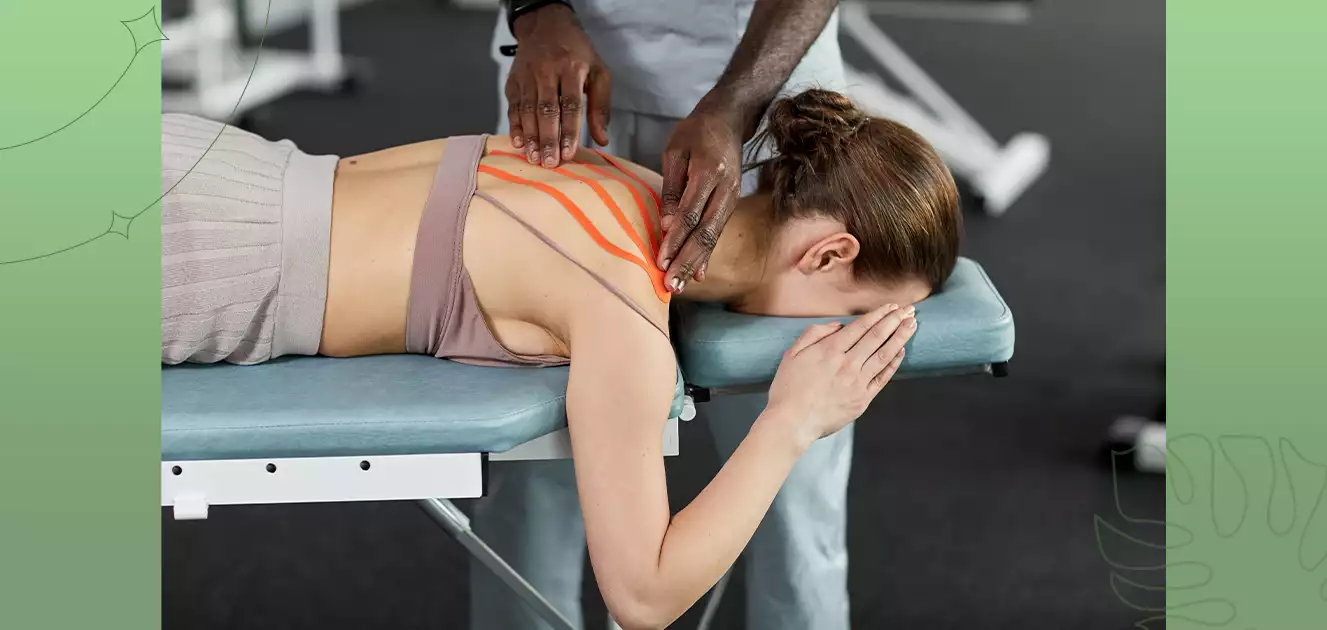
Trigger point therapy is a hands-on treatment that targets tight, sensitive knots in muscle and fascia, often called trigger points, that can cause local pain, stiffness, and pain that spreads to other areas. By applying focused pressure to those spots, the therapy aims to reduce tension, improve movement, and give short-term or ongoing relief as part of a wider pain-management plan.
If you sit at a desk all day, train hard at the gym, carry stress in your shoulders, or wake up with the same nagging ache in your neck or lower back, you already know how draining chronic pain can feel. It does not just hurt. It wears down focus, sleep, mood, posture, and confidence in your body. For many people, the real frustration is not knowing why the pain keeps returning even after rest, stretching, or a standard massage.
That is where trigger point therapy often enters the conversation. Instead of treating the whole body in a general way, it focuses on specific irritated points within muscle and connective tissue that may be feeding a wider pain pattern. It is commonly used within massage therapy, manual therapy, and myofascial treatment approaches, and it is usually considered a less invasive approach option before procedures like injections.
What Exactly Is Trigger Point Therapy?
Trigger point therapy is a focused, hands-on treatment that targets small, hyper-irritable spots inside your muscles. The kind you can feel as a tight band, a pea-sized lump, or a stubborn knot under the skin. These spots have a special talent: When pressed, they not only hurt locally, they often send pain shooting somewhere else entirely.
Press a spot in your shoulder, and feel pain in your jaw. Press a spot in your hip, and feel pain down your leg. Press a spot at the base of your skull, feel a headache bloom across your forehead. This is called referred pain, and it is the reason so many people chase symptoms in the wrong place for years.
The therapy itself has serious clinical roots. Much of what therapists practice today is based on the pioneering work of Dr. Janet Travell, who, fun fact, served as the personal physician to the U.S. President John F.Kennady, and Dr. David Simons. Together they mapped trigger points and their referral patterns in remarkable detail, turning what used to feel like guesswork into a structured, repeatable approach.
Here is the key difference from a general massage: a regular massage tries to relax everything. Trigger point therapy is a sniper, not a shotgun. The therapist is hunting for the exact spots that are reproducing your pain, and once found, those points get the focused attention they have been screaming for.
What Are Trigger Points, Really?
Imagine your muscles as a long bundle of elastic bands, each one designed to stretch and contract smoothly. Now imagine that one of those bands has knotted itself up tight and refuses to let go. The fibers in that knot stay contracted around the clock. Blood flow drops. Waste products build up. Tiny nerves nearby get cranky. The whole area becomes a pain factory that never clocks off.
The Two Personalities: Active vs Latent
Not all trigger points behave the same way. There are two main types, and knowing the difference can help you understand your own pain better.
- Active Trigger Points: These are the loud ones. They hurt even when you are not touching them. They might ache constantly or flare up at predictable times, when you sit too long, sleep awkwardly or get stressed at work. An active trigger point in your upper trapezius is a classic culprit behind tension headaches
- Latent Trigger Points: These are the sneaky ones. They do not cause obvious pain at rest, but they quietly limit your range of motion, weaken the muscle, and become aggressive the moment you press them. Many people only discover they have latent trigger points when a therapist finds them, and they nearly jump off the table
Why Do Trigger Points Even Form?
Trigger points rarely show up out of the blue. They tend to develop when muscles are repeatedly overworked, underused, or held in awkward positions for too long. The usual suspects include:
- Long Hours at a desk with shoulders hunched and head pushed forward
- Repetitive movements at work, in sport, or at the gym
- Sudden overload, like a heavy lifting session after a week off
- Acute injuries such as whiplash, falls or sprains
- Chronic stress, which keeps muscles in a low-level state of tension all day
- Poor sleep, dehydration, and nutrient deficiencies that make muscles more reactive
- Sleeping in awkward positions or on unsupportive pillows
Where Do They Like to Hide?
Trigger points can pop up almost anywhere, but they have favourite hiding spots. The upper trapezius and levator scapulae are notorious for neck pain and headaches. The quadratus lumborum and gluteal muscles often drive lower back and hip pain. Forearm muscles can fuel tennis elbow and wrist issues. The calves and the small muscles in the foot are common culprits behind plantar foot pain. Even the jaw muscles get involved, contributing to clenching, TMJ trouble, and ear-area discomfort.
How Trigger Point Therapy Actually Works
On the surface, the technique looks almost too simple. The therapist presses on a sore spot, holds it for a while, then moves on. So why does it work so reliably when so many other things have not?
Three things are happening at the same time, and together they create real change.
1. The Compression and Release Cycle
Once the therapist finds a trigger point, they apply steady, focused pressure with their thumb, knuckle, elbow, or a small therapy tool. The pressure is held for around 30 to 90 seconds. Most people describe a wave of intense sensation that builds, peaks, and then, almost magically, softens into a deep, warm sense of release.
That softening is the muscle fibers finally letting go after months or years of holding on.
2. Restoring Blood Flow
Think of a trigger point as a kink in a garden hose. Water cannot flow properly past the kink, and downstream, everything dries out. When sustained pressure is released, blood rushes back into the area, flooding it with oxygen and nutrients while flushing out the metabolic waste that has been building up.
This is one of the reasons treated muscles often feel lighter, looser, and more alive within minutes of a session.
3. Calming the Nervous System
Pain is not just a muscle problem. It is a constant conversation between muscle, nerve, and brain. Trigger points keep that conversation noisy by firing alarm signals to the central nervous system around the clock. Releasing the knot turns the volume down, which reduces overall pain sensitivity over time.
This is why people often notice improvements not just in the treated muscle but in their stress levels, sleep quality, and even mood.
The Magic of Pain Referral Patterns
Here is where trigger point therapy starts to feel almost detective-like. A skilled therapist does not just chase the spot that hurts. They use referral maps in reverse, starting with where you feel pain and tracing backward to the muscle most likely causing it.
Pain in the front of your shoulder? Could easily be a trigger point in your infraspinatus, which sits on the back of your shoulder blade. Headache in your forehead? Often coming from the sternocleidomastoid muscle running along the side of your neck. This is why trigger point therapy succeeds where simple “rub the sore spot” approaches have failed for years.
The Real Benefits of Trigger Point Therapy
Most people first try trigger point therapy because they are tired of being in pain. What surprises them is everything else that improves along the way.
- Pain relief that actually lasts: By treating the source rather than the symptom, sessions deliver change you can feel for days and weeks, not just hours
- Improved mobility and flexibility: Releasing tight bands restores normal length and gliding between muscle fibers, often unlocking the range of motion you did not realise you had lost
- Looser, calmer muscles between sessions: Muscles that have been treated tend to stay relaxed longer, especially when you back the work up with simple stretching and posture habits
- Better posture without forcing it: When chronically tight muscles let go, your body naturally returns to a more balanced alignment instead of constantly fighting itself
- Deep stress relief: The combination of slow breathing, focused pressure, and parasympathetic activation leaves you feeling like you have just stepped off a long hike
- Faster athletic recovery: Athletes use trigger point work to clear out training-related tightness, support recovery, and reduce the risk of compensation injuries down the line
- Better sleep: Many clients report sleeping more deeply after sessions because their nervous system is no longer running a low-level alarm all night
- Fewer headaches: Tension headaches driven by neck and shoulder trigger points often drop in both frequency and intensity, sometimes dramatically.
Conditions Trigger Point Therapy Can Help With
Trigger point therapy is not a miracle cure, and serious medical issues always need a proper diagnosis. That said, it has earned a strong reputation as part of the recovery toolkit for a long list of common, life-affecting complaints:
- Chronic lower back pain and upper back tension
- Neck stiffness, including the dreaded “tech neck.”
- Tension headaches and many migraine patterns
- Sciatic-style pain caused by piriformis or gluteal trigger points
- Jaw pain, clenching, and TMJ-related discomfort
- Frozen shoulder and rotator cuff irritation
- Tennis elbow, golfer’s elbow, and forearm overuse pain
- Plantar foot pain and persistent calf tightness
- Some symptoms associated with fibromyalgia, when applied gently and carefully
- Sports injuries and post-training soreness that just will not budge
The best results usually come when trigger point therapy is part of a bigger picture, combined with movement, strength work, and lifestyle adjustments, rather than relied on as a stand-alone fix.
Trigger Point Therapy vs Other Treatments: Which One Do You Actually Need?
People often ask how trigger point therapy compares to other popular options. The honest answer is that each one does something a little different, and the best choice depends entirely on what you are trying to achieve.
| Therapy | What It Targets | How It Feels | Best For |
| Trigger Point Therapy | Specific muscle knots and referred pain patterns | Sharp, focused pressure that fades into release | Chronic, recurring pain with predictable hot spots |
| Deep Tissue Massage | Deeper muscle layers and connective tissue | Slow, firm strokes across larger areas | Overall stiffness and athletic recovery |
| Swedish Massage | Surface tension and overall circulation | Light to medium, flowing strokes | Stress relief and general relaxation |
| Acupuncture | Pain pathways via thin needles | Tiny pinpricks, then deep stillness | Chronic pain when needles are preferred to pressure |
| Physiotherapy | Movement, function, and rehabilitation | Active exercises plus manual techniques | Post-injury recovery and long-term mobility |
In real life, these therapies often play beautifully together. A physiotherapist might design your rehab plan, trigger point therapy can release the stubborn knots that keep flaring up, and a Swedish massage gives your nervous system a gentle reset when life has been particularly loud. The smartest approach is rarely one or the other; it is using the right tool at the right time.
What to Expect During Your First Session
Before You Even Lie Down
A great session starts with a proper conversation. Your therapist will ask about your pain, where it is, when it started, what makes it worse, and what makes it better. They will want to know about your job, your sleep, your sport, your stress, and any past injuries or medical conditions.
They might watch how you stand, how your shoulders sit, or how your neck moves. None of this is paperwork for the sake of it. It is detective work that helps them predict where your most important trigger points are likely to be.
During the Treatment
You will lie comfortably on a treatment table, dressed or undressed to your comfort level, with towels or sheets for modesty. The therapist begins by feeling along your muscles, searching for tight bands and tender points. When they find one, they apply steady pressure and hold.
Many clients react with a slightly stunned, “That is it. That is exactly the spot.” The pressure often reproduces the very pain you have been living with, and that recognition is one of the most reassuring moments of the whole experience. It means the therapist has found the source.
Pressure is constantly adjusted based on your feedback. Trigger point work is often described as “good pain”, intense but tolerable, and clearly tied to release rather than damage. Sessions usually run between 30 and 90 minutes, depending on how much ground there is to cover.
After You Walk Out
Most people leave feeling lighter, looser, and pleasantly tired in that post-yoga sort of way. Mild soreness over the next 24 to 48 hours is normal, similar to the day after a good workout. Drinking water, gentle walking, and skipping intense training the same day all help your body settle into the changes.
Is It Painful? Is It Safe?
Let us be honest. Trigger point therapy is not a fluffy-towels-and-whale-music experience the whole way through. It is rarely pain-free. But it should never, ever be unbearable. Done well, the pressure reproduces a familiar ache and then walks it back down, never sharp, never shooting, never traumatic.
A skilled therapist works in constant dialogue with you, asking how the sensation feels on a simple scale and adjusting in real time.
Who Should Take Extra Care
Most healthy adults tolerate trigger point therapy beautifully. A few situations call for medical clearance or extra caution before you book:
- Recent surgery, fractures, or unhealed injuries near the area to be treated
- Blood-clotting disorders or strong blood-thinning medication
- Active infections, open wounds, or skin conditions in the area
- Severe osteoporosis
- Pregnancy, especially the first trimester or higher-risk pregnancies
- Certain cardiovascular conditions
If you have any chronic medical condition, a quick chat with your doctor and a properly qualified therapist is the right starting point. Credentials, ongoing training, and clear communication are the markers of a professional you can trust with your body.
Self Trigger Point Therapy at Home: What Actually Works
Between professional sessions, simple at-home techniques can keep your progress steady. The aim is not to replace clinical work; it is to keep your muscles calm and mobile in the meantime.
Tools Worth Owning
- Foam rollers: Brilliant for larger muscle groups like the quads, glutes, lats, and upper back
- Massage balls: Tennis balls, lacrosse balls, or specially designed therapy balls are perfect for smaller, more precise spots like the upper traps and feet
- Peanut-shaped rollers: Designed to work along the spine without pressing directly on the bones themselves
- Trigger point canes: Lifesavers for those impossible-to-reach spots between the shoulder blades and along the upper back.
Simple Self-Care Rules
- Use enough pressure to feel a clear ache, never a sharp pain
- Hold pressure on a single spot for around 30 to 60 seconds
- Breathe slowly and deeply throughout, never hold your breath
- Avoid rolling directly on bones, joints, or your lower back spine
- Stop immediately if you feel numbness, tingling, or shooting pain, and check in with a professional
Self-care is a wonderful complement to professional treatment, but it has its limits. For long-standing or recurring pain, hands-on expertise will always go further than anything you can do yourself.
How Many Sessions Will You Actually Need?
There is no single answer that fits everyone, but a few patterns tend to hold true.
For acute issues, a recent flare-up of neck pain, a stiff back from a long-haul flight, sore shoulders from a hard training week, many people feel substantially better after just one to three sessions, especially when they pair the work with stretching and posture changes.
For chronic patterns that have been around for months or years, the journey is usually a bit longer. A common starting point is one session per week or every two weeks for around four to six weeks, then less frequent maintenance visits as your pain calms down. A good therapist will review progress with you and adjust the plan as your body responds.
Once your pain has properly settled, monthly or bi-monthly maintenance sessions can stop the same patterns creeping back, particularly if your job, sport, or life keeps loading the same muscles in the same ways.
What Does the Science Say?
Research on trigger point therapy is still developing, but the evidence base has grown substantially over the past two decades. Studies and reviews have explored its effects on chronic neck pain, tension headaches, lower back pain, and myofascial pain syndrome, with the general picture being positive: manual trigger point techniques can produce meaningful short-term improvements in pain and mobility, particularly when combined with exercise and education.
It is worth being upfront about the limits, too. Studies vary in design and quality, and individual responses can differ from person to person. Trigger point therapy is best understood as one well-supported tool inside a broader, active approach to pain management, not as a guaranteed cure for every condition under the sun. Anyone promising otherwise is overselling it.
How to Get the Most Out of Every Session
To make every session count, treat it as part of a wider routine rather than a one-off event.
- Stay hydrated: Drink water before and after your session to support recovery and help your tissues bounce back
- Move gently afterward: A short walk or a few easy stretches helps your body integrate the work
- Mind your posture: Pay attention to how you sit, stand, and use your phone. Tiny daily adjustments add up to enormous results over time
- Strengthen the weak links: Persistent pain often involves weak or underused muscles. Targeted strength work supports lasting change
- Manage stress: Sleep, breathing practices, and time outside all influence how reactive your muscles are
- Be consistent: Regular sessions, even when you feel fine, prevent the same patterns from creeping back in.
Why a Professional Beats DIY Every Time
Self-care tools are useful, but they have hard limits. A trained therapist brings several things you simply cannot replicate at home.
- Precision: Years of training help them locate the exact muscle and the exact point driving your symptoms, including the sneaky ones, referring pain from somewhere unexpected
- Depth and control: They can apply consistent, well-judged pressure in positions and angles you cannot reach yourself
- Personalised plans: A good therapist links what they feel in your body to your daily life and builds a treatment plan around it
- Safety: They know which areas to avoid, when to refer you for further investigation, and how to adjust techniques for your unique situation.
For everyday tightness, a foam roller will probably do the trick. But for pain that keeps coming back, interferes with sleep, work, or training, or simply will not budge no matter what you try, a few professional sessions are usually the fastest, most effective path to real, lasting relief.
Final Thoughts
Chronic pain has a way of quietly shaping your life. It changes how you sit, how you sleep, how patient you are with the people you love, and how much energy you have left for the things that matter. The worst part is that it can become so familiar that you forget you are even carrying it.
Trigger point therapy offers a practical, focused way to address one of the most common drivers of that pain, small, irritated spots within muscles that have been quietly sabotaging your movement, posture, and mood for years. It is not magic, and it works best when combined with movement, smart self-care, and attention to the everyday habits that load your body.
But for many people who have tried general massage, painkillers, stretching, and simply hoping it goes away, trigger point therapy is the moment something finally shifts. The neck that has been locked for months loosens. The lower back that has been guarded for years starts trusting movement again. Headaches become rare visitors instead of unwelcome regulars.
If your pain has been quietly running in the background of your life, maybe it is time to bring it to the front and deal with it directly.
Ready to Feel Like Yourself Again? Visit Meridian Spa, Greenwich
If you are based in or around Greenwich, London, Meridian Spa is the calm, welcoming space your body has been waiting for. Our experienced therapists specialise in chronic neck and back pain, posture-related tension, headaches, and sports-related tightness, using a careful, personalised approach rather than a one-size-fits-all routine.
Every session begins with a proper conversation about your symptoms, lifestyle, and goals, followed by treatment tailored to the patterns we find in your muscles. The environment is designed to support that work, with soft lighting, considered scents, and a quiet atmosphere that lets your nervous system settle from the moment you walk through the door.
Whether you have been carrying a long-standing pain pattern, recovering from an intense training block, or simply tired of the tension parked permanently in your shoulders, a trigger point therapy session at Meridian Spa is a meaningful step toward feeling like yourself again.
Book your trigger point therapy session at Meridian Spa today, and finally give your body the focused, professional care it has been asking for.
Frequently Asked Questions
1. How Is Trigger Point Therapy Different From A Regular Deep Tissue Massage?
A deep tissue massage works broadly across larger muscle groups using slow, firm strokes. Trigger point therapy is more surgical: the therapist isolates the specific knots reproducing your symptoms and uses sustained pressure on those small areas. Deep tissue work feels great for general tightness, while trigger point therapy is far more effective for recurring, localised pain that keeps coming back to the same spots.
2. Will I Feel Sore After A Trigger Point Therapy Session?
Some mild soreness in the treated areas over the next 24 to 48 hours is completely normal and usually feels similar to post-workout muscle ache. Drinking water, doing gentle movement, and avoiding intense training on the same day all help your body recover. Sharp, lasting, or worsening pain is not expected, and you should always mention it to your therapist if it occurs.
3. How Quickly Will I Notice Results?
Many people feel immediate improvements in mobility and a noticeable drop in pain after a single session, particularly for recent or moderate issues. For long-standing chronic pain, real change typically builds over several sessions combined with posture, movement, and lifestyle adjustments. A good therapist will set realistic expectations based on your specific situation rather than overpromising.
4. Is Trigger Point Therapy Safe During Pregnancy?
Trigger point therapy can be adapted for pregnancy, but it requires extra care and a therapist trained in pregnancy massage. Certain positions, pressure levels, and areas are usually avoided, especially in the first trimester or in higher-risk pregnancies. Always check with your doctor or midwife first and choose a qualified professional with proven experience in pregnancy-safe techniques.
5. Can I Just Use A Foam Roller Or Massage Ball Instead Of Seeing A Therapist?
Self-massage tools are excellent for general maintenance and a great companion to professional sessions, but they have real limits. They work well on surface-level tightness, but it is genuinely hard to apply precise pressure to deeper or hard-to-reach trigger points yourself, especially the ones referring pain from unexpected places. For persistent pain, professional treatment combined with home tools delivers far better, longer-lasting results than self-care alone.