
Living with arthritis can feel like carrying invisible weight every single day. Simple movements such as walking upstairs, opening a jar, typing on a keyboard, or even getting out of bed can become frustrating and painful. For millions of people worldwide, arthritis is more than occasional discomfort. It is a long-term condition that affects mobility, independence, sleep quality, and emotional well-being.
While medications and physical therapy remain important parts of arthritis management, many people are now turning towards complementary wellness treatments to help ease stiffness and improve daily comfort. One therapy that continues to gain attention is hot stone massage.
Known for its deeply relaxing effects and soothing warmth, hot stone massage combines traditional massage techniques with heated stone places strategically across the body. But can this therapy genuinely help people suffering from arthritis? Does heat therapy actually reduce joint pain and stiffness?
In this article, we will explore the science behind hot stone massage for arthritis, its potential benefits, precautions to consider, and whether it may become a useful part of a broader pain management routine.
Understanding Arthritis: Why Your Joints Are Working Against You
“Arthritis” is one of those words that sounds like a single diagnosis but really covers more than 100 different conditions. What they share is trouble at the joint, the place where two bones meet and rely on cartilage, fluid, and surrounding tissue to move smoothly.
In some types, the immune system attacks the joint by mistake. In others, the cartilage simply wears down faster than the body can maintain it. Sometimes boith happens at once. The result is the same trio that millions of people know intimately: pain, stiffness, and a slow narrowing of what your body lets you do.
The Big Four You’ll Hear About Most
- Osteoarthritis is the most common form. Think of it as the cartilage equivalent of a much-lover pair of shoes wearing thin at the heels. It typically shows up in the knees, hips, and spine, and it tends to creep in with age
- Rheumatoid Arthritis is an autoimmune condition. Your immune system, normally a careful bouncer, starts throwing punches at your own joint linings. It often affects both sides of the body symmetrically and can flare without warning
- Psoriatic Arthritis joins forces with the skin condition psoriasis, bringing both joint pain and skin patches into the picture
- Gout is the surprise attacker, a sudden, fiery pain caused by uric acid crystals setting into a joint
Why Does It Get Worse Over Time If You Don’t Manage It
Arthritis pain is not just about the joint itself. Around every painful joint, the surrounding muscles tense up to protect it. That protective tension becomes its own source of pain. You move less, so circulation slows. Stiffer tissues hurt more. You sleep badly, which raises pain sensitivity. Stress climbs. Inflammation creeps up.
It’s a loop, and breaking it requires hitting it from several angles at once. This is exactly where therapies like hot stone massage start to earn their keep, not as cures, but as tools that interrupt the cycle.
What Is Hot Stone Massage, Really?
Heated stones have been part of healing traditions for thousands of years. Ancient Chinese medicine used them to ease pain and improve organ function. Native American sweat lodges used heated rocks to detoxify and calm the body. Ayurvedic practitioners in India worked with warm stones along the spine to balance energy.
Modern hot stone massage, in its current spa form popularised in the 1990s. It blends those ancient instincts with the structure of Swedish massage and Western anatomy. The result is a therapy that feels indulgent but has real therapeutic logic behind it.
How It Actually Works
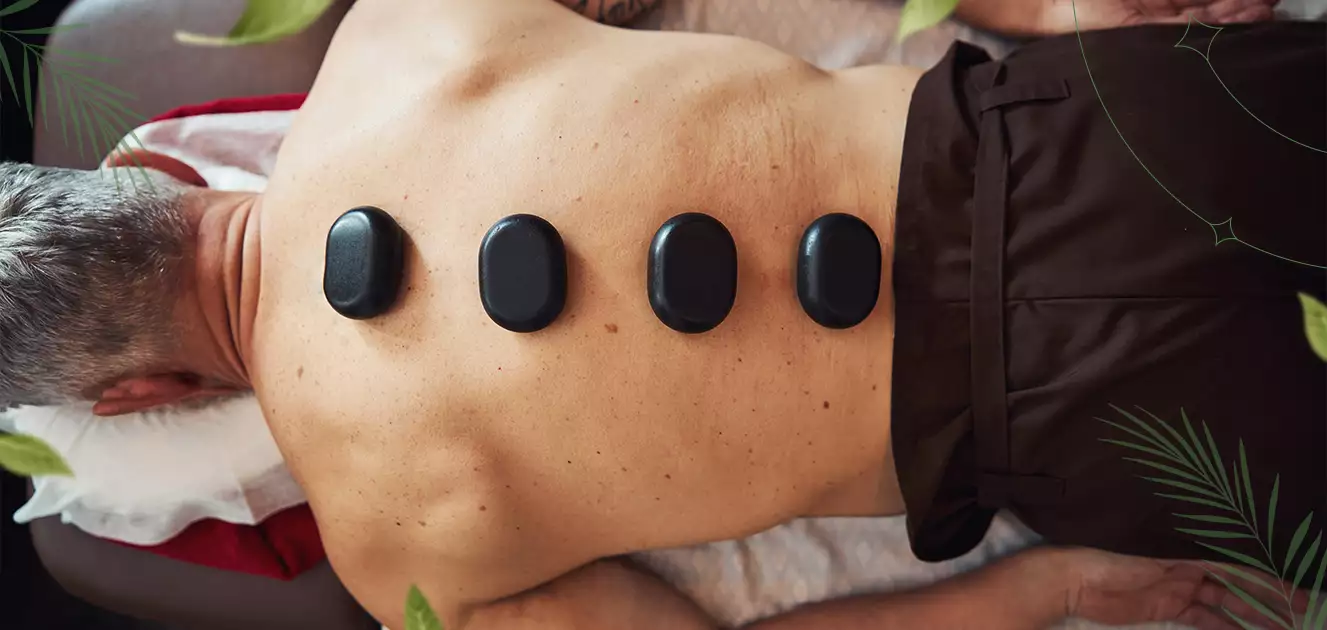
The stones used are almost basalt, a smooth volcanic rock that holds heat for a remarkably long time. They’re warmed in water to a controlled temperature, usually between 50 and 60 degrees Celsius, then tested carefully by the therapist before they ever touch your skin.
Once in position, the stones do two jobs at once. Some are placed along key points like either side of the spine, the palms, or between the toes, so heat radiates into the tissue. Others are held by the therapist and used like extensions of their hands, gliding across muscles in long, warm strokes.
The genius of the technique is that the heat does half the work. Muscles that would normally need firm pressure to release start letting go on their own as the warmth seeps in. That means less force, less soreness afterward, and deeper relaxation than a standard massage usually achieves.
What a Session Actually Feels Like
You lie face down on a warmed table in a softly lit room. The therapist typically starts with hands-only strokes to warm up your muscles and oil your skin. Then the stones come in. The first contact is starting in a pleasant way, intense warmth, not too hot, sinking into your back.
Over the next 60 to 90 minutes, the therapist moves between hand work and stone work, sometimes leaving the stone to rest on specific points while massaging elsewhere. Most people drift into a half-asleep state by the end. Many walk out feeling slightly drunk on relaxation. That’s not poetic license; the parasympathetic nervous system is genuinely doing something.
The Science: What Heat Actually Does to Arthritic Tissue
When heat reaches your tissue, several things happen at once. Blood vessels widen, a process called vasodilation, increasing the flow of oxygen and nutrients to the area. Muscle fibres relax. Connective tissue becomes more pliable. Nerve signals carrying pain messages get partially blocked by competing warmth signals, a phenomenon related to what scientists call the gate control theory of pain.
For joints specifically, better blood flow supports the surrounding tissue. Reduced muscle tension takes pressure off the joint capsule. Greater tissue flexibility makes movement feel less like dragging a stuck drawer open.
Why This Matters More for Arthritis Than for Most Conditions
Healthy people benefit from massage, but for someone with arthritis, this maths is different. Every benefit lands on top of a system that’s already strained. A small improvement in circulation matters more when your shoulders have spent years bracing against hip pain. A drop in stress hormones matters more when chronic pain has been quietly running your nervous system into the ground.
This is why people with arthritis often report disproportionately good responses to heat-based therapies; the relief lands somewhere it’s badly needed.
What the Research Actually Says
Be cautious with anyone making confident claims here. The honest summary is this: research on massage therapy for arthritis is encouraging but limited. Several studies suggest that regular massage can reduce pain and improve function in people with knee osteoarthritis. Heat therapy is widely recommended by physiotherapists and rheumatologists as part of self-management for chronic, non-flaring joint pain. The Arthritis Foundation lists massage among useful complementary therapies.
What we don’t have is a large body of research focused specifically on hot stone massage versus other forms. Most studies group massage therapies together. So while the underlying mechanisms, heat, circulation and muscle release, are well understood, the specific edge of hot stones over, say, a heated pad plus regular massage isn’t definitely proven.
The fair conclusion is that hot stone massage is a reasonable and likely beneficial choice, not a clinically guaranteed treatment.
Benefits of Hot Stone Massage for Arthritis Patients
Real Pain Relief, Not Just a Distraction
The most immediate effect is a measurable drop in perceived pain. The combination of heat, pressure, and the body’s relaxation response can significantly reduce pain signals during and after the session. For people whose daily baseline is “uncomfortable,” dropping to “actually okay” for a day or two is meaningful.
Less Muscle Bracing Around Sore Joints
This benefit is underrated. So much arthritis pain isn’t from the joint itself but from the muscles around it, which have been tensing protectively for months or years. Hot stone work is unusually good at coaxing these defensive muscles to let go.
Easier Movement After a Session
Many clients notice a window of improved mobility lasting one to three days after a session. Shoulders rotate more freely. Knees bend with less complaint. Hands grip more easily. This is exactly the kind of window you can use, for gentle stretching, a walk, time with grandchildren, the things arthritis often quietly steals.
A Genuine Drop in Stress and Anxiety
Chronic pain is exhausting in a way that’s hard to communicate to people who haven’t lived with it. The mental load of bracing, planning around limitations, and pushing through is constant. Hot stone massage triggers the parasympathetic nervous system, the body’s rest-and-recover mode. For an hour, your system stops sounding the alarm. That break matters.
Better Sleep, Which Then Helps Everything Else
Sleep is one of the first things arthritis steals. Pain makes it hard to fall asleep, harder to stay asleep, and almost impossible to wake feeling rested. Many people sleep noticeably better in the one to three nights following a hot stone session. Better sleep means lower pain sensitivity, better mood, and more energy for movement, which then further reduces stiffness. The loop runs backward, in your favour.
Improved Circulation Where You Need It Most
Joints rely on the surrounding circulation to receive nutrients and clear waste. People with arthritis often have reduced circulation in affected areas because they move less. Heat therapy gives that system a reliable nudge.
Which Types of Arthritis Benefit Most?
Osteoarthritis: A Strong Match
Osteoarthritis tends to respond well to hot stone massage. The therapy directly targets the stiffness, surrounding muscle tightness, and aching that define the condition. Knees, hips, hands, and the lower back are typical sweet spots.
Rheumatoid Arthritis: Timing Matters
For rheumatoid arthritis, hot stone massage can be excellent during periods of low disease activity or remission. It’s a different story during active flare-ups, where joints are hot, swollen, and inflamed. Adding more heat to an already-inflamed joint can make symptoms worse. Wait for the flare to settle before booking.
Fibromyalgia and Mixed Conditions
Although fibromyalgia isn’t classified as arthritis, it often shows up alongside arthritic conditions. Hot stone massage can be genuinely comforting for fibromyalgia, although sessions usually need to be gentler. Tell your therapist if you have fibromyalgia so they can adjust pressure and duration.
When to Skip the Heat Entirely
Skip hot stone massage if a joint is red, hot, visibly swollen, or recently injured. Skip it during an active gout attack. Skip it during an acute rheumatoid flare. In these situations, the body is already running too hot at the joint, and cold therapy is generally more appropriate.
Risks and Precautions: The Honest Bit
Who Shouldn’t Book
Hot stone massage is safe for most people, but not all. Speak to your GP first if you have:
- Reduced skin sensation (peripheral neuropathy, advanced diabetes), since you may not feel when stones are too hot
- A history of blood clots or active deep vein thrombosis
- Fragile skin, recent burns, or unhealed wounds
- Significant cardiovascular conditions
- Active infections or fevers
- Recent surgery or fractures
- Pregnancy (most spas will require a doctor’s note or decline during the first trimester)
- Severe varicose veins
- Cancer (always check with your oncologist first)
Possible Side Effects
Most people experience nothing worse than feeling pleasantly sleepy afterwards. But occasionally people report:
- Mild burns from stones that were too hot. This is rare with a trained therapist but possible.
- Temporary soreness a day or two after, similar to a gentle workout.
- Light-headedness when standing up too quickly after the session.
- Mild dehydration, especially if you didn’t drink enough water beforehand.
Why Your Choice of Therapist Matters Enormously
This therapy has more risk variables than a standard massage because of the heat element. A good therapist will test joint temperatures repeatedly, ask about your medical history in detail, adjust pressure for sensitive joints, and stop or modify the session if anything feels off. A poor therapist treats every client the same and skips the questions. Pick the first kind.
Getting Real Value From a Session: Practical Tips
The 24 Hours Before
- Hydrate properly. Two to three extra glasses of water the day before make a noticeable difference in how your tissue responds.
- Eat lightly beforehand. A heavy meal two hours before lying face-down on a table is its own form of suffering.
- Skip alcohol. It dehydrates you and dulls your ability to feel temperature properly.
- Make a mental list of your problem areas. Therapists ask, and “everywhere” isn’t useful.
During the Session
- Speak up about temperature and pressure. Stoicism wins no prizes here. If something feels off, say so immediately.
- Breathe slowly through your nose. This deepens the relaxation response and makes the massage more effective.
- Let go of the conversation. Some therapists chat, some don’t. If you’d rather be quiet, it’s completely fine to say so.
Aftercare That Extends the Benefits
- Drink water for the rest of the day. Aim for at least an extra litre.
- Avoid intense exercise that afternoon. A gentle walk is ideal.
- Take a warm (not hot) bath in the evening to extend the muscle relaxation.
- Stretch the next morning gently while your tissue is still pliable.
- Sleep earlier than usual. Your body will thank you.
A Realistic Frequency Plan
For ongoing arthritis management, most people see good results with a session every two to four weeks. During a particularly difficult stretch, weekly for three to four weeks can help reset things. After that, drop back to maintenance frequency. Track how you feel between sessions to find your sweet spot.
Hot Stone Massage vs Other Pain Relief Methods
Here’s an honest comparison of where hot stone massage fits relative to other tools you might be using or considering.
| Therapy | What It Does Best | Best Suited For | Limitations |
| Hot Stone Massage | Combines deep heat with muscle release and relaxation | Chronic stiffness, muscle tension around joints, stress-amplified pain | Not for acute flares; results are temporary |
| Deep Tissue Massage | Targets stubborn muscle knots and adhesions | Long-standing muscular tightness without inflammation | Can be too intense for sensitive joints |
| Swedish Massage | Gentle, full-body relaxation | Generalised stiffness and stress | Less deep penetration than hot stone |
| Physical Therapy | Strengthens supporting muscles, restores function | Long-term mobility and joint stability | Requires consistent effort over weeks |
| Heating Pads at Home | Convenient, free, immediate relief | Mild day-to-day stiffness | No muscle release component |
| Hydrotherapy / Warm Pool | Heat plus low-impact movement | Painful flare recovery, multiple-joint arthritis | Requires pool access |
| Medication (NSAIDs, etc.) | Directly reduces inflammation and pain | Moderate to severe symptoms | Side effects with long-term use |
| Acupuncture | May modulate pain signalling | Chronic pain not responding well to other methods | Mixed evidence; needs a qualified practitioner |
The honest takeaway is that none of these is a complete answer on its own. Hot stone massage shines when stiffness, muscle tension, and stress are all in the mix, which describes most days for most people living with arthritis.
Can Hot Stone Massage Cure Arthritis?
Let’s be direct: no.
No massage therapy can repair worn cartilage, halt an autoimmune process, or undo years of joint degeneration. Anyone who tells you otherwise is selling you something they shouldn’t.
What hot stone massage can do is meaningfully improve how you live with arthritis. It can reduce daily pain levels. It can release the tension your body has been carrying for years. It can give you windows of better movement. It can help you sleep. It can soften the edges of a condition that, frankly, has hard edges.
The best results come when massage is one part of a layered approach:
- Movement (gentle, regular, ideally low-impact)
- A diet that doesn’t fan the flames of inflammation (Mediterranean-style eating is well-supported here)
- Quality sleep (worth fighting for)
- Stress management (which is medical, not optional, when you live with chronic pain)
- Medical care (whatever your GP or rheumatologist prescribes)
- Therapies like hot stone massage are layered on top of the foundation
Build the foundation. Then let the hot stone massage do what it’s genuinely good at.
The Final Verdict
Hot stone massage isn’t a miracle, and it isn’t a placebo. It sits in the useful middle, a real therapy with real mechanisms that can make a real difference to people living with arthritis, when used wisely and as part of a broader plan.
If you have osteoarthritis, stable rheumatoid arthritis, fibromyalgia, or general chronic stiffness, and you don’t fall into any of the medical exclusion groups, it’s well worth trying. Have an honest conversation with your GP first if you have any complex conditions, and pick a therapist who treats your medical history with the seriousness it deserves.
Living with arthritis means your body asks for more from you than other people’s bodies ask of them. Anything that gives a bit back, anything that releases tension, eases pain, deepens sleep, or simply lets you exhale for an hour, is worth taking seriously.
Hot stone massage, in the right hands, gives back. Quite a lot, actually.
Experience Professional Hot Stone Massage in Greenwich, London
If you’re ready to feel what proper hot stone massage can do for arthritis-stiffened muscles and a tired body, Meridian Spa in Greenwich is one of the loveliest places in London to start.
The therapists are experienced, attentive, and trained to tailor each session to your body, your sensitivities, and your specific areas of tension. The setting is calm, the warmth is generous, and the focus is genuinely on how you feel walking out, not just how you felt walking in.
Whether you’re managing long-term arthritis, working through a particularly demanding stretch of life, or simply looking for an hour where your shoulders aren’t carrying the weight of your week, Meridian Spa’s hot stone massage is a quietly excellent way to give your body what it’s been asking for.
Book your session at Meridian Spa, Greenwich, and feel the difference proper care makes.