
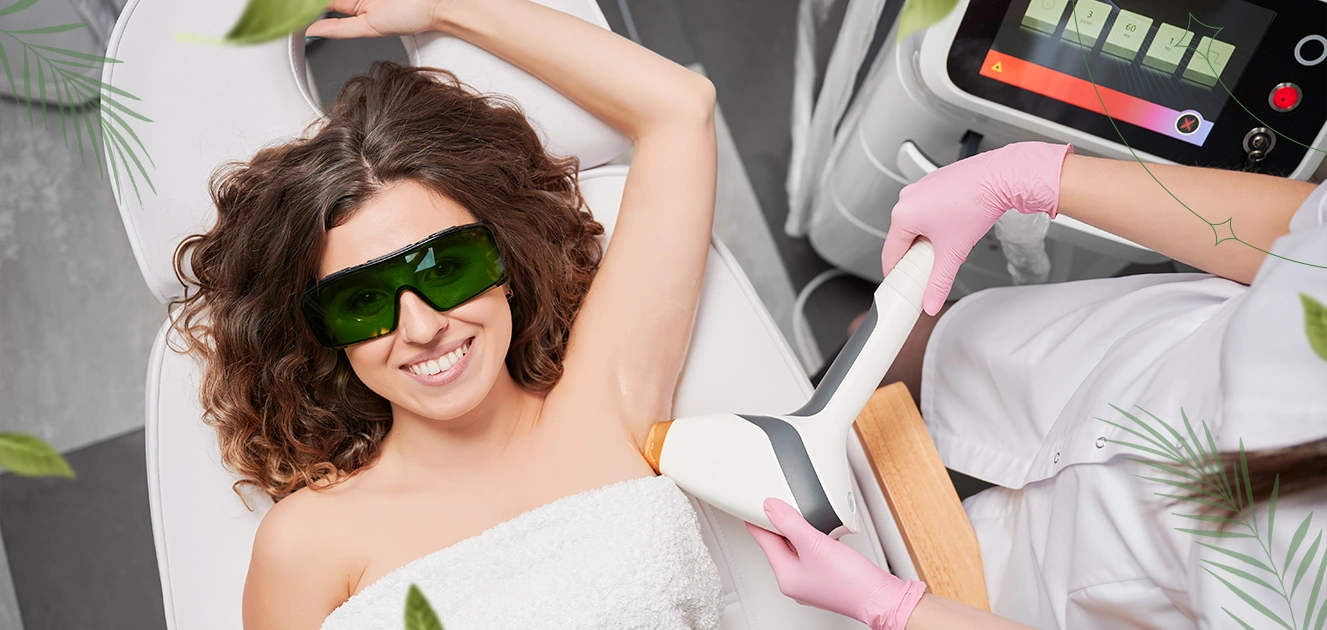
Yes, laser hair removal is one of the most effective ways to reduce and prevent ingrown hairs and razor bumps. It targets suitable hair follicles, making regrowth lighter or less dense over a course of treatments. This can be helpful if you regularly develop razor bumps around your neck, bikini line, underarms, and legs. However, laser treatment does not instantly remove existing ingrown hairs or treat an active infection.
If you regularly notice small bumps after shaving or waxing. The problem may not be your shaving products alone. The way your hair grows back can also contribute to repeated irritation. Laser hair removal offers a longer-term hair reduction option for people who want to reduce how often they need to remove unwanted hair.
Why Do Ingrown Hairs and Razor Bumps Develop?
Ingrown hairs develop when a hair grows back into the surrounding skin instead of rising through its surface. This can cause raised, itchy, or tender bumps around individual hair follicles. Shaving, waxing, and plucking can contribute, especially when hair is coarse or naturally curly. Although ingrown hairs and razor bumps are closely related, they aren’t always the same. Understanding the difference can help you choose a more suitable hair removal method.
Hair growing back into the skin
An ingrown hair develops when a hair becomes trapped beneath the skin or curls back towards it. Instead of growing outwards normally, the hair penetrates the surrounding skin and triggers inflammation. This can happen more frequently in people with coarse or curly hair because the natural shape of the hair makes it more likely to curve towards the skin.
Shaving and close hair removal
Shaving is a common trigger for ingrown hairs and razor bumps. When a razor cuts hair very close to the skin, the sharp end may curl back into the surrounding tissue as it grows.
- Shaving against the direction of hair growth, stretching the skin, or repeatedly passing the razor over one area can increase the likelihood of irritation.
- Waxing can also contribute to ingrown hairs. Although it removes hair from the root, new growth may become trapped beneath the skin as it emerges.
Why some body areas are more affected
Ingrown hairs can develop anywhere hair is removed, but some areas experience more frequent irritation because of regular shaving, hair texture, or friction.
- Bikini line: Shaving, waxing, and friction from tight clothing can contribute to recurring bumps.
- Underarms: Frequent shaving and rubbing against clothing may irritate the hair follicles.
- Legs: Hair regrowth after shaving or waxing can sometimes become trapped beneath the skin.
How Does Laser Hair Removal Reduce Ingrown Hairs?
Laser hair removal may reduce ingrown hairs by targeting the follicles responsible for future hair growth. The treatment uses concentrated light energy that is absorbed by pigment in suitable hair. The energy heats the follicle and damages its ability to produce new hair. As hair growth becomes lighter or less dense, fewer hairs are available to curl back into the skin. This can help reduce the cycle of shaving, regrowth, and repeated irritation.
What happens to the hair follicle?
Laser hair removal uses a process called selective photothermolysis. In simple terms, the pigment in the hair absorbs the laser energy and converts it into heat. Hair grows in different stages, including active growth, transition, and rest. Laser treatment works most effectively on suitable hairs in the active growth phase. Since not every follicle is active at the same time, several appointments are usually needed.
Can laser treatment remove existing ingrown hairs?
Laser hair removal is mainly intended to reduce future hair growth. It is not an immediate treatment for an existing trapped hair, inflamed follicle, or skin infection. If you already have ingrown hairs, the condition of your skin should be assessed before treatment.
Which Areas Can Be Treated for Recurring Ingrown Hairs?
Laser hair removal can be considered for several body areas where recurring ingrown hairs develop. Common treatment areas include the neck, bikini line, underarms, and legs.
Neck area
The neck area is a common area for razor bumps, particularly among people with coarse or curly facial hair. Hair around the jawline may grow in different directions. When someone shaves closely, the cut hair curls back into the skin and causes repeated inflammation. Laser hair removal from razor bumps may help by reducing neck hair growth over time. Facial treatment needs careful assessment because hair density, color, and growth patterns influence the results.
Bikini line
The bikini line is another area where recurring ingrown hairs can develop after shaving or waxing. Some people notice small bumps after every waxing appointment, while others experience irritation as shaved hair starts growing back. Friction from underwear and tight clothing can make the area more uncomfortable. Laser treatment may help reduce future hair growth, which can mean fewer occasions when regrowing hair becomes trapped beneath the skin.
Is Laser Hair Removal Suitable for Every Skin Tone and Hair Type?
Laser hair removal is not equally effective for every skin tone and hair colour. Skin tone also matters because the surrounding skin contains melanin. Choosing an appropriate laser wavelength and treatment setting helps reduce the risk of unwanted skin reactions.
Why hair colour affects results
Laser hair removal targets melanin, the pigment responsible for hair color. Dark brown and black hair generally provide a better target because they contain more pigment. Blonde, white, grey, and some red or very fine hairs may respond poorly because they contain less suitable pigment for the laser to target. This means someone with dark, coarse hair may experience better hair reduction than someone with very light, fine hair. Before starting treatment, discuss your hair characteristics with your practitioner so they can assess whether laser is likely to be effective.
What should people with darker skin consider?
People with darker skin tones can have laser hair removal, but selecting suitable equipment and settings is important. Older laser technologies had greater limitations when treating skin with higher melanin levels. The laser could also be absorbed by pigment in the surrounding skin, increasing the risk of burns or pigmentation changes. At Meridian Spa, we use the Candela GentleMax Pro system, which combines Alexandrite and Nd laser technology. This allows the practitioner to consider different wavelengths according to individual skin and hair characteristics.
Why consultation and patch testing matter
A consultation helps establish whether laser treatment is appropriate for your skin and hair. A patch test allows the practitioner to assess your skin’s response to the selected settings before a full treatment. At Meridian Spa, a consultation and patch test are required before starting laser treatment. Contact our reception team to arrange the patch test separately in advance of your treatment booking.
Your practitioner should consider:
- Your natural skin tone and any recent tanning.
- Hair colour, thickness and growth pattern.
- The area you want treated.
- Existing irritation, inflammation or skin conditions.
- Relevant medications and skincare products.
- Previous reactions to laser treatment.
How Many Laser Sessions Might Be Needed to Reduce Ingrown Hairs?
Most people need several laser hair removal sessions because hair grows in different cycles. One appointment cannot target every suitable follicle effectively, so treatment is usually planned over multiple visits. Our laser hair removal guidance recommends a course of around six to eight sessions, generally spaced four to six weeks apart.
Why one appointment is rarely enough
Hair follicles do not all produce visible hair at the same time. Some are actively growing, while others are in transition or resting phases. Laser treatment works most effectively when suitable hair is in its active growth phase.
What changes might clients notice during a course?
Hair reduction usually happens gradually. You may notice changes after the first few appointments, although the amount of improvement varies.
For example, someone treating the bikini line may notice that fewer coarse hairs grow back after several appointments. However, another person may need additional sessions before seeing a similar change. Your practitioner can assess your progress and advise whether your treatment plan needs adjusting.
Can ingrown hairs return after treatment?
Yes, laser hair removal reduces future hair growth, but it does not guarantee that ingrown hairs will never return. Some follicles may continue producing hair, and regrowth can occur over time. Hormonal changes can also influence hair growth, particularly in areas affected by hormonal activity. You may still experience occasional bumps due to friction, shaving irritation, or other skin conditions. The aim is to reduce unwanted hair growth and potentially make ingrown hairs less frequent, rather than promise completely bump-free skin.
Laser Hair Removal vs Shaving and Waxing for Ingrown Hairs
Laser hair removal, shaving, and waxing remove unwanted hair in different ways. If you regularly experience ingrown hairs, understanding these differences can help you choose a method that suits your skin and routine.
| Feature | Shaving | Waxing | Laser hair removal |
| How it works | Cuts hair at the skin’s surface | Removes hair from the root | Uses light energy to damage suitable hair follicles |
| Results | Usually lasts a few days | Usually lasts several weeks | Long-term hair reduction |
| Ingrown hair concerns | Close shaving can contribute to razor bumps | Regrowth may become trapped beneath the skin | May reduce recurrence by reducing future hair growth |
What Should You Do Before Laser Treatment if You Have Ingrown Hairs?
Before starting laser treatment, make sure the skin in the treatment area is suitable. Occasional ingrown hairs do not automatically mean you cannot have laser treatment, but painful, inflamed, or infected skin needs appropriate assessment. Your practitioner should understand your skin condition and hair growth before proceeding.
Should you treat active inflammation first?
If the treatment area has significant redness, tenderness, or swelling, discuss it during your consultation. Laser treatment may need to be postponed until the skin has settled. If the problem keeps returning, a healthcare professional can help establish whether you are dealing with ingrown hairs, folliculitis, or another skin condition.
What if you have broken skin or an infected follicle?
Avoid treating an area with broken skin or a suspected infection until it has been appropriately assessed.
Signs that may suggest an infection include:
- Increasing pain or tenderness.
- Warmth and swelling around the bump.
- Pus or discharge.
- Spreading redness.
- Feeling feverish or generally unwell.
Can you shave before laser treatment?
Yes, shaving is generally the preferred hair removal method before laser treatment because it removes visible hair without pulling it out from the root. At Meridian Spa, our preparation guidance recommends shaving the treatment area around 24 hours before your appointment. Avoid waxing, threading, and plucking during a laser treatment course unless your practitioner advises otherwise. These methods remove hair from the follicle, which can interfere with the treatment process. Follow the preparation instructions provided during your consultation, as requirements can vary according to the treatment area.
How Should You Care for Skin Prone to Ingrown Hairs After Laser Treatment?
After laser hair removal, your skin may feel warm or slightly sensitive for a short period. Following the recommended aftercare helps reduce irritation while the treated area settles. Our aftercare guidance recommends avoiding heat and heavy exercise for 24 hours after treatment. Follow the specific instructions given for your appointment. This is particularly important if your skin already reacts easily to shaving, waxing, or friction.
Avoid unnecessary friction and heat
Try to avoid activities that create excessive heat or friction in the treated area immediately after your appointment.
Depending on your practitioner’s instructions, you may need to avoid:
- Hot baths, saunas and steam rooms.
- Strenuous exercise that causes excessive sweating.
- Tight clothing that rubs against the treated area.
- Scrubbing or rubbing the skin.
Use gentle skincare during recovery
Keep the treated area clean and use gentle skincare products while your skin settles. Avoid applying strong exfoliants, fragranced products, or other potentially irritating ingredients immediately after treatment unless your practitioner confirms they are suitable. If your skin feels warm or uncomfortable, a cool compress may help. Avoid applying ice directly to the skin. Once the skin has recovered, ask your practitioner when you can return to your usual skincare routine.
Do not pick at inflamed bumps
You may notice small bumps or changes in the treated area after an appointment. Avoid squeezing, scratching,g or trying to remove trapped hairs with tweezers. Picking can damage the skin and increase the risk of infection or scarring. Treated hairs shed gradually over the following days and weeks. Allow this process to happen naturally and follow your practitioner’s advice about exfoliation and shaving.
Can You Get Laser Hair Removal for Ingrown Hairs in Greenwich?
If recurring ingrown hairs are affecting your shaving routine, laser hair removal in Greenwich may be an option worth discussing. We offer laser hair removal for different face and body areas using the Candela GentleMax Pro system. It combines Alexandrite and Nd laser technology, allowing the practitioner to consider different wavelengths according to individual skin and hair characteristics. Before your first treatment, we arrange a consultation and patch test to assess your suitability and determine appropriate settings. Please contact our reception team to arrange the patch test separately in advance.
You can discuss areas such as the underarms, bikini line, legs and facial hair during your consultation. If you regularly experience razor bumps around your neck or ingrown hairs after waxing, explain this so your practitioner can understand your concerns. Our laser hair removal treatments in Greenwich provide more information about available treatment areas, preparation and pricing. Based at Creek Road in Greenwich, Meridian Spa is also accessible to people travelling from nearby areas such as Deptford and Lewisham.
FAQs
Does laser hair removal permanently stop ingrown hairs?
Laser hair removal can provide long-term hair reduction and may help reduce recurring ingrown hairs. However, it does not guarantee that they will never return. Some follicles may continue producing hair, and regrowth can occur over time.
Can laser hair removal help razor bumps on the neck?
Yes, laser hair removal may help people who experience recurring razor bumps around the neck, particularly when coarse or curly hair is involved. Reducing hair growth can mean less frequent shaving and fewer opportunities for irritation.
Is laser suitable for ingrown hairs on the bikini line?
Laser hair removal can be considered for suitable bikini-line hair. Reducing regrowth may help limit recurring ingrown hairs caused by shaving or waxing. However, active inflammation, broken skin, or suspected infection should be assessed before treatment.
Can laser hair removal make ingrown hairs worse?
Some people may notice temporary bumps or irritation after treatment. Treated hairs also shed gradually, so the skin may not look immediately smoother. If you notice persistent or worsening inflammation, contact your treatment provider for advice.
Is laser treatment suitable for darker skin?
Yes, people with darker skin tones can have laser hair removal when suitable technology and settings are used. Nd lasers are commonly considered for darker skin because of their longer wavelength. Practitioner experience, skin assessment,t and patch testing remain important.
Is Laser Hair Removal Worth Considering for Recurring Ingrown Hairs?
If you regularly experience ingrown hairs after shaving or waxing, laser hair removal may be worth considering as a longer-term hair reduction option. By targeting suitable hair follicles, treatment can reduce the amount of hair that grows back. This may mean fewer shaving sessions and fewer opportunities for recurring razor bumps.
However, it is not an immediate solution for existing ingrown hairs, and results depend on your skin tone, hair colour, treatment area, and individual response. We assess these factors during a consultation and patch test before recommending treatment. If you are considering laser hair removal in Greenwich, explore our service information and discuss whether it is suitable for your skin and hair.