
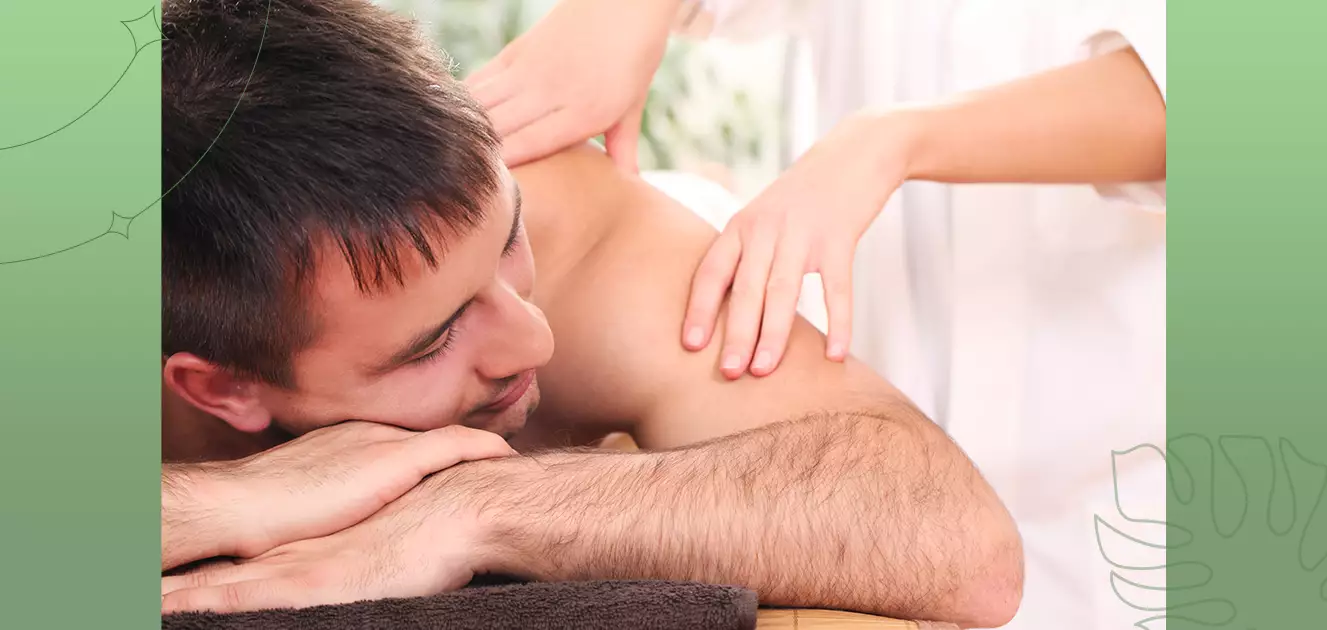
You wake up in the morning, and reaching for your phone feels like a battle. Rolling over in bed sends a sharp ache through your shoulder. Putting on a coat? That is now a two-minute deal with your dread. If this sounds familiar, you are not imagining things. Frozen shoulders are exactly as limiting as it sounds, and for millions of people dealing with them right now, the search for real, lasting relief is constant. Here is the thing that often gets missed in conversation around frozen shoulder treatment: deep tissue massage is not just about relaxation.
When applied correctly and at the right stage of your condition, it can make a genuine difference to how your shoulder moves and how much pain you carry day to day. Frozen shoulder, clinically known as adhesive capsulitis, affects between 2% and 5% of the general population, and for those living with it. This guide covers what deep tissue massage does for frozen shoulders, what to expect from your session at Meridian Spa, and how to get the most out of your treatment.
What Actually Happens Inside a Frozen Shoulder
Before we get into the massage side of things, it helps to understand what is going on inside your shoulder when it freezes. Frozen shoulders occur when the connective tissue surrounding the shoulder joint, called the glenohumeral capsule, becomes inflamed and thickened. This causes the tissue to tighten and reduces mobility in the joint. The condition progresses through three stages: a freezing stage where movement becomes increasingly difficult, and pain gradually worsens, which can last anywhere from 6 to 9 months; a frozen stage where pain may decrease, but stiffness remains; and eventually a thawing stage. The thawing stage is where shoulder movement gradually begins to improve, and this phase can take anywhere from 5 to 24 months, with pain significantly diminishing or resolving completely.
That timeline matters a lot because the type of massage that helps you in the freezing stage is quite different from what your therapist will use during the frozen or thawing stages. Knowing this is what separates a genuinely therapeutic session from one that leaves you sorer than when you walked in.
Why Deep Tissue Massage Works for Frozen Shoulder
Deep tissue massage is not a cure for frozen shoulders. But what it does consistently, and effectively, is create the conditions your shoulder needs to heal. Deep tissue massage targets deeper muscle layers and connective tissue to relieve tension and improve mobility. Unlike relaxation-focused massages, this technique addresses specific areas of muscle tightness and chronic pain. Practitioners use slow strokes, sustained pressure, and gentle pressure to access tight muscles, deep connective tissues, and surrounding tissues, breaking down scar tissue and adhesions responsible for stiffness. There are three main ways this helps:
1. It releases the compensatory tension around the joint
Frozen shoulders often cause compensatory tension in surrounding muscles, including the deltoid, trapezius, and levator scapulae, as people tend to guard the shoulder to avoid pain. Massage therapy helps release this tension by promoting relaxation in these muscles. When those surrounding muscles stop bracing, the joint itself gets a little more room to breathe.
2. It improves circulation to the area
Massage therapy increases blood flow to the affected area, which can help reduce inflammation and promote healing. By improving circulation, massage enhances the delivery of oxygen and nutrients to the shoulder joint, aiding in the recovery process.
3. It addresses the pain signals directly
Pressure, rhythm, and heat during massage can down-regulate pain signals and release endorphins. Many people report sleeping better after sessions. For frozen shoulder sufferers, this is no small thing. Poor sleep caused by shoulder pain is one of the most common complaints, and anything that interrupts that cycle matters.
The Techniques Your Therapist Will Use
A skilled therapist at Meridian Spa will not use the same approach from your first session to your fifth. What works changes as your shoulder progresses through its stages. Here is what to expect.
Myofascial Release
Myofascial release applies gentle, sustained pressure to ease tight fascia around the deltoid, pecs, rotator cuff, and upper back. It is effective across all stages of frozen shoulder. This is usually where treatment begins, especially when the shoulder is still in its more painful phase.
Trigger Point Therapy
Trigger point therapy uses pinpoint pressure on knots in the infraspinatus, subscapularis, teres minor and major, and upper traps that refer pain into the arm. If you have ever felt that dull ache radiating down from your shoulder, there is a good chance trigger points are contributing to it.
Deep Tissue Work
Deep tissue massage uses slower, firmer strokes into deeper layers and is most useful in the frozen and thawing stages to improve glide. Your therapist will wait until the acute, inflamed phase has settled before applying this level of pressure.
The Evidence Behind It
A review looking at frozen shoulder research found that certain manual techniques, including a blend of deep cross-friction massage and mobility exercises, may help with both pain and range of motion. The review also noted that myofascial trigger point massage might offer benefits, especially where the muscles around the shoulder are holding concentrated points of tension.
Patients have reported 40% better movement after six weeks of structured therapy. That kind of result does not happen by accident. It comes from consistent, correctly-staged treatment applied by someone who understands the condition.
What to Expect in Your First Session
Walking in for your first deep tissue massage with a frozen shoulder can feel daunting, especially if you are in pain. Here is the realistic version of what that experience looks like.
Your therapist will start with a short consultation to understand which stage you are in, how long you have had the condition, whether you have had any previous treatment, and what specific movements are most restricted. Do not skip this part. The more your therapist knows, the better they can calibrate the session.
The session itself will start gently. Even deep tissue work on a frozen shoulder begins with lighter strokes to warm the tissue before any deeper pressure is applied. You should feel a working sensation, not sharp pain. If anything feels wrong, say so. Your therapist will adjust. After the session, some soreness over the following day or two is completely normal. This is not a sign that anything went wrong. It is your tissue responding to work it has not received in a while. Keep hydrated, apply a warm compress if needed, and take note of any changes in your range of motion over the following few days.
How Many Sessions Will You Need?
Weekly sessions yield the best results, and the earlier you start structured treatment within the appropriate stage of your condition, the better your outcomes tend to be. Most people find a meaningful improvement in both pain levels and range of motion within four to six weeks of regular sessions. If you are combining massage with physiotherapy or any other treatment, let your therapist know. The two work well together, and your sessions at Meridian Spa can be timed and structured to complement what you are already doing.
When Deep Tissue Massage Is Not the Right Fit
It is worth being straightforward about this. Deep tissue massage is not suitable for everyone with frozen shoulders, and timing matters. If your shoulder is in the acute freezing stage with severe inflammation and intense pain at rest, deep tissue pressure may not be appropriate yet. A good therapist will recognise this and adapt the approach, using lighter myofascial techniques or referring you back to your GP or physiotherapist if needed. If massage is done improperly, there is a risk of hurting the muscles and soft tissue or worsening the condition. This is exactly why the skill and experience of your therapist matter as much as the technique itself.
Ready to Move Your Shoulder Again?
Frozen shoulder does not resolve overnight, but it does respond to the right care. At Meridian Spa in Greenwich, our therapists are experienced in working with clients across all stages of adhesive capsulitis, from the early freezing phase through to full recovery.
If you have been managing shoulder stiffness and pain on your own, it might be time to book a session and find out what targeted, stage-appropriate deep tissue massage can actually do for you. Book your appointment at Meridian Spa today and take the first step toward getting your shoulder, your sleep, and your daily life back.