
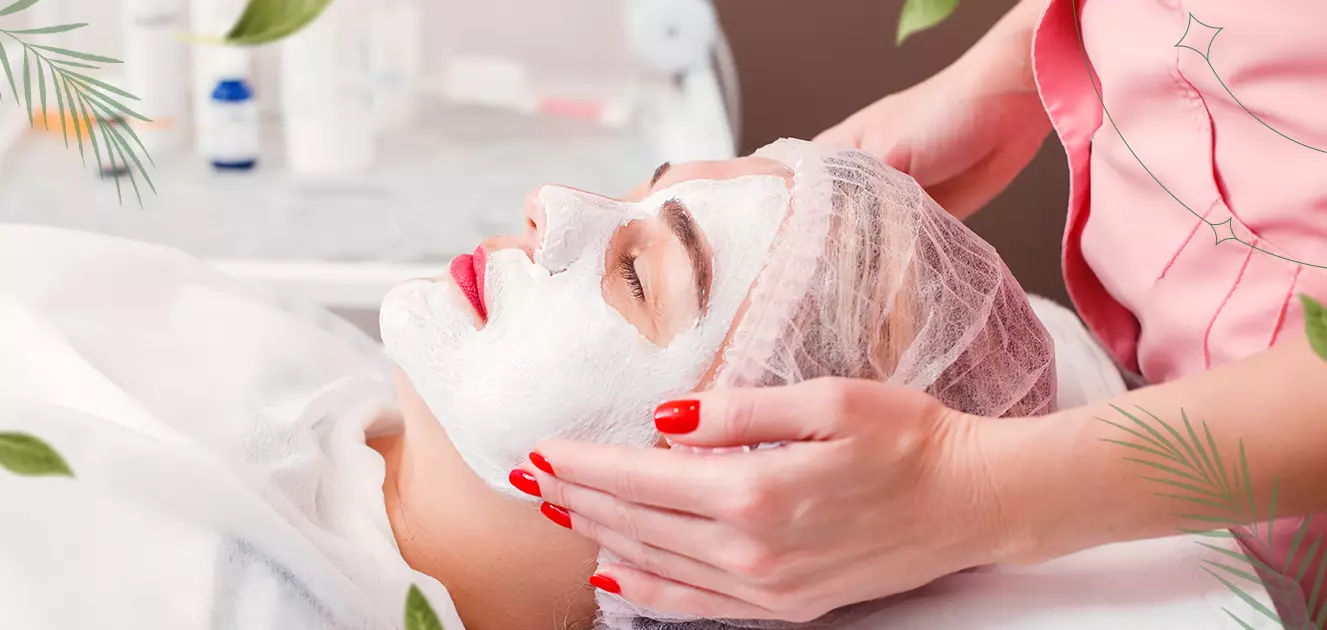
The best facial depends on your skin type, current condition and sensitivity. Oily skin may suit clarifying care, dry skin needs hydration, sensitive skin needs gentle treatment, and mature skin may benefit from gradual firming support. A consultation should confirm the safest option.
The best facial for your skin type depends on its condition on the day. Oily or congested skin may suit a clarifying facial, dry skin needs hydration, sensitive skin needs calming care, and mature skin may benefit from gradual firming support. A therapist should also consider medication, sensitivity and pigmentation risk.
Choosing a facial by its name, popularity or strongest-sounding technology can lead to disappointing results. Your natural skin type matters, but so do temporary concerns such as dehydration, irritation, congestion and seasonal dryness.
Oily skin can be dehydrated. Dry skin can develop blackheads. Sensitive skin may actually be temporarily sensitised by acids, retinoids or over-exfoliation.
Meridian Spa’s facial treatments in Greenwich include eight ELEMIS Touch facials and eight technology-led Biotec options. Each treatment targets a particular concern, but your therapist can adjust the final recommendation after examining your skin.
How do you identify your skin type?
Identify your skin type by observing oiliness, tightness, flaking, comfort and sensitivity across different areas of your face. Do not assess it immediately after using active products. Repeat your observations on several ordinary days because weather, hormones, medication and skincare can temporarily change how your skin behaves.
Most skin falls into one of four basic types:
- Oily skin develops visible shine and may be prone to enlarged-looking pores or congestion.
- Dry skin produces less natural oil and may feel tight, rough or flaky.
- Combination skin is usually oilier through the forehead, nose and chin but drier elsewhere.
- Balanced skin feels comfortable without persistent oiliness or dryness.
Sensitive, dehydrated and mature skin need slightly different definitions.
- Sensitive skin reacts easily to products, temperature, rubbing or fragrance.
- Sensitised skin is temporarily reactive because its barrier has been disturbed.
- Dehydrated skin lacks water and can affect oily, dry or combination skin.
- Mature skin describes age-related concerns rather than a separate skin type.
A simple home skin check
- Cleanse with a mild product and lukewarm water.
- Apply no serum, moisturiser or active ingredient.
- Wait for 30 to 60 minutes.
- Check for shine, tightness, redness or flaking.
- Compare your T-zone with your cheeks.
- Repeat the check on several days.
This can help you describe your skin, but it cannot diagnose acne, rosacea, eczema or another medical condition.
Which facial is best for each skin type?
Choose a facial that addresses your main concern without creating another one. Clarifying treatments may suit oily or congested skin, while dry skin needs hydration and sensitive skin needs minimal irritation. Mature or uneven skin may benefit from targeted technology, but treatment intensity should always match your tolerance.
| Skin type or concern | Meridian facial that may suit | Main treatment goal | Approach cautiously |
| Oily or congested | Anti-Blemish Mattify and Calm | Reduce excess shine and support clearer-looking pores | Strong scrubs and repeated extraction |
| Blemish-prone | Biotec Blemish Control | Deep cleansing using ultrasonic vibration | Painful or inflamed acne |
| Dry, dehydrated or tight | Peptide 24/7 Skin Sync | Replenish tired or moisture-depleted skin | Strong peels and excessive heat |
| Combination | Peptide 24/7 Skin Sync or consultation-led Touch facial | Balance different facial zones | Treating the whole face at one strength |
| Sensitive or reactive | Sensitive Skin Soother | Calm visible redness and support comfort | Acids, friction and intensive heat |
| Technology-led sensitive care | Biotec Sensitive Skin Soother | Calm skin using oxygen infusion | Treatment during an active flare |
| Fine lines or mature skin | Pro-Collagen Age Defy or Biotec Line Eraser | Support smoother, firmer-looking skin | Expecting permanent lifting |
| Loss of definition | Pro-Definition Lift and Contour or Biotec Firm-a-Lift | Support facial contour and firmness | Overly frequent active treatments |
| Dull or tired skin | Superfood Pro-Radiance or Biotec Radiance Renew | Restore a fresher-looking complexion | Excessive exfoliation |
| Uneven tone or texture | Dynamic Precision Peel or Biotec Skin Resurfacer | Resurface dull, uneven-looking skin | Sensitive or pigmentation-prone skin without assessment |
| Men’s skin | Men’s Performance Energiser or Biotec Men’s Super Charged | Address shaving, dehydration and tired-looking skin | Treating all men’s skin as oily |
What is the best facial for oily or acne-prone skin?
Oily or mildly congested skin may suit Anti-Blemish Mattify and Calm or Biotec Blemish Control. The aim should be to manage excess shine and blocked pores without stripping the skin. Painful, cystic or scarring acne requires medical advice rather than stronger spa treatments or frequent extractions.
Oily skin produces more sebum, but that does not mean it can tolerate unlimited exfoliation. Scrubbing, drying astringents and repeated extractions can increase irritation and make breakouts look worse. The American Academy of Dermatology recommends gentle cleansing and warns that scrubbing can cause acne to flare.
At Meridian Spa, the two closest matches are:
- Anti-Blemish Mattify and Calm: for oily, unsettled or congested skin.
- Biotec Blemish Control: a technology-led deep-cleansing facial that uses ultrasonic vibration.
These treatments can support mild congestion and oil control, but they do not cure acne. Moderate or severe acne, painful nodules, cysts or scarring need GP or dermatology support.
Oily skin can also be dehydrated. If your face feels tight while still becoming shiny, a therapist may reduce exfoliation and focus on hydration rather than automatically choosing the strongest cleansing option.
What is the best facial for dry or dehydrated skin?
Peptide 24/7 Skin Sync is Meridian Spa’s stated starting point for dry, dehydrated or tight-feeling skin. A suitable facial should replenish moisture, minimise unnecessary exfoliation and leave the skin comfortable. If your skin is flaking, burning or unusually sensitive, barrier support should take priority over intensive resurfacing.
Dry skin lacks natural oil, while dehydrated skin lacks water. You can therefore have oily and dehydrated skin at the same time.
Water naturally passes through the outer skin in a process measured as transepidermal water loss. Higher water loss can be associated with weaker barrier function, which may leave skin feeling tight or uncomfortable.
Meridian’s current Touch menu recommends Peptide 24/7 Skin Sync for dry, dehydrated or tight-feeling skin. Superfood Pro-Radiance may be considered where dullness is the main concern, but it should not automatically replace a hydration-led recommendation.
Avoid assuming that rough texture always needs a peel. Strong acids, long periods of steam and abrasive exfoliation may make compromised skin feel more uncomfortable. A gentle cleanser, suitable moisturiser and daily sun protection also help maintain results between appointments.
What is the best facial for combination or sensitive skin?
Combination skin needs a zoned approach, while sensitive skin needs a gentle one. Your therapist may cleanse and exfoliate an oily T-zone differently from drier cheeks. For sensitive or reactive skin, Sensitive Skin Soother or Biotec Sensitive Skin Soother may be more appropriate than a peel or intensive resurfacing treatment.
There is no single Meridian facial labelled specifically for combination skin. The right choice depends on which concern is strongest.
If your T-zone is oily but your cheeks feel dry, a therapist can adjust products and pressure by area. Peptide 24/7 Skin Sync may offer a balanced starting point for first-time clients, but persistent congestion may require more targeted work.
For sensitivity, Meridian offers:
- Sensitive Skin Soother, which uses subtle massage and is designed for delicate or redness-prone skin.
- Biotec Sensitive Skin Soother, which uses oxygen infusion as part of a technology-led calming treatment.
| What you notice | Possible approach | Avoid or limit |
| Oily T-zone and dry cheeks | Zoned cleansing and hydration | One strong treatment across the whole face. |
| Frequent flushing | Calming Touch facial | Heat and vigorous massage. |
| Stinging after products | Barrier-focused care | Acids and scrubs. |
| Active rosacea flare | Postpone treatment | Exfoliation and facial massage. |
| Sensitivity after retinoids | Allow recovery first | Peels and intensive resurfacing. |
Dermatologists recommend avoiding rubbing, scrubbing, massage and exfoliation during a rosacea flare.
What is the best facial for mature skin?
Mature skin may benefit from Pro-Collagen Age Defy, Pro-Definition Lift and Contour, Biotec Line Eraser or Biotec Firm-a-Lift. Choose according to whether your priority is fine lines, dryness or facial definition. Stronger treatment is not always better, particularly when mature skin is also dry or sensitive.
Mature skin may experience reduced moisture retention, visible fine lines and changes in firmness. Menopause can also affect hydration, elasticity and collagen.
| A peer-reviewed review reported that nearly one-third of skin collagen may be lost during the first five years after menopause, followed by a slower continuing decline. This does not mean a facial can replace lost collagen, but it helps explain why hydration, comfort and gradual support often become priorities. |
Consider the following Meridian options:
- Pro-Collagen Age Defy: for visible fine lines and wrinkles.
- Pro-Definition Lift and Contour: for cheeks, jawline and facial definition.
- Biotec Line Eraser: uses firming and toning microcurrent.
- Biotec Firm-a-Lift: combines massage with sculpting technology.
These treatments may temporarily improve the appearance and feel of skin, but they cannot reproduce the results of injectables, medical procedures or surgery.
Which facial is best for pigmentation and darker skin tones?
Pigmentation-prone skin needs controlled treatment rather than the strongest available peel. Dynamic Precision Peel or Biotec Skin Resurfacer may suit some clients with uneven tone, but suitability depends on sensitivity, active products and previous pigment changes. Darker skin tones can have facials safely when inflammation and treatment intensity are carefully managed.
Post-inflammatory hyperpigmentation can follow acne, irritation or skin injury. This means an unsuitable treatment may create new dark marks while trying to address old ones.
The British Association of Dermatologists states that chemical peels can help some cases of melasma, but they should be performed by an experienced practitioner because they can worsen pigmentation, lighten the skin excessively or cause scarring.
| Treatment | Possible role | Main caution |
| Dynamic Precision Peel | Dull or uneven-looking tone | May be unsuitable for reactive skin. |
| Biotec Skin Resurfacer | Texture, blemishes and uneven tone | Intensity must match pigment risk. |
| Superfood Pro-Radiance | Dullness and general radiance | Does not treat medical pigmentation. |
| Biotec Radiance Renew | Tired-looking complexion | Avoid promising pigment removal. |
| Aggressive extraction | Limited role for congestion | Inflammation may leave dark marks. |
The Fitzpatrick scale may help a trained practitioner consider responses to light and pigment, but it should not be the only factor used to select treatment.
Daily broad-spectrum sun protection remains important because ultraviolet and visible light can deepen existing pigmentation. Dark spots and patches are also among the most common reasons people with darker skin tones consult a dermatologist.
How do popular facial treatments compare?
A classic facial focuses on touch, products and massage, while a Biotec facial adds technologies such as microcurrent, galvanic current, ultrasonic exfoliation, oxygen infusion or light therapy. Neither category is automatically better. The right choice depends on your concern, sensitivity, preferred experience and tolerance for active treatment.
| Facial type | May suit | Intensity | Main caution |
| ELEMIS Touch facial | First-time clients, relaxation and targeted skincare | Low to moderate | Product actives still need assessment |
| Biotec facial | Clients wanting technology-led treatment | Moderate | Technology must match the concern |
| Chemical peel | Uneven tone or texture | Moderate to high | Pigment changes and irritation |
| Microdermabrasion | Surface texture and dullness | Moderate | Avoid on fragile or inflamed skin |
| LED phototherapy | Selected blemish, redness or ageing protocols | Low | Results depend on wavelength and protocol |
| Microcurrent | Temporary toning and facial stimulation | Moderate | Not suitable for every medical history |
| Hydrafacial-style treatment | Cleansing, suction and hydration | Moderate | Acids and suction may irritate sensitive skin |
Hydrafacial is a separate branded treatment and is not listed as a standalone Meridian Spa service. Selected Biotec treatments instead combine technologies within a named ELEMIS protocol.
For example, Biotec Line Eraser uses microcurrent, Biotec Blemish Control uses ultrasonic vibration, and Biotec Sensitive Skin Soother uses oxygen infusion.
Explore the verified range of ELEMIS Biotec facial treatments before comparing the technology with a classic Touch facial.
How should you choose a facial before an event?
Start planning two to three months before a wedding or important event. This gives you time to test a treatment, observe your response and adjust the next appointment. Avoid unfamiliar peels, intensive extraction or strong resurfacing during the final week. Choose a facial your skin has already tolerated.
A simple pre-event schedule may look like this:
- Eight to twelve weeks before: consultation and first treatment.
- Four to six weeks before: repeat or adjust according to your response.
- Around one week before: choose a familiar hydrating or calming facial.
- Final days: keep homecare simple and avoid new active ingredients.
| Pre-event calloutDo not try a new peel, extraction-heavy facial or intensive resurfacing treatment during the final week before an important event. Temporary redness, flaking, tenderness or breakouts can occur even when a treatment is suitable in the longer term. |
You can also review how often you should get a facial before planning a longer treatment schedule.
What mistakes should you avoid when choosing a facial?
The biggest mistake is choosing the strongest or most popular facial without considering your current skin. Other common problems include hiding retinoid use, treating oily skin too harshly, booking during a flare and expecting one treatment to solve a chronic concern. A good consultation may lead to a gentler choice.
Avoid these common mistakes:
- Choosing a treatment because it is trending.
- Assuming oily skin needs aggressive exfoliation.
- Confusing dehydration with permanently dry skin.
- Failing to mention retinoids or acne medication.
- Hiding recent injectables or skin procedures.
- Combining several exfoliating treatments.
- Believing prolonged redness proves a facial worked.
- Expecting a facial to cure acne or rosacea.
- Selecting treatment strength based only on age.
- Skipping sun protection after exfoliation.
The bottom line
The best facial for your skin type is the one that matches both your natural skin and its current condition. Oily skin may need gentle congestion support, dry skin needs hydration, sensitive skin needs less irritation, and mature skin may benefit from gradual firming or replenishing care.
A stronger treatment is not automatically a better one. Medication, pigmentation risk, sensitivity and recent procedures can all change what is suitable.
To compare the current ELEMIS Touch range and arrange a consultation, view Meridian Spa’s facial treatments in Greenwich.
FAQs
Which facial is best for oily skin?
Anti-Blemish Mattify and Calm is Meridian Spa’s Touch option for oily, unsettled or congested skin. Biotec Blemish Control offers a technology-led alternative using ultrasonic vibration. Neither treatment should strip the skin. If you also feel tightness or irritation, your therapist may prioritise hydration and barrier support.
Which facial is best for acne-prone skin?
A clarifying Touch facial or Biotec Blemish Control may support mild congestion and blackheads. However, facials do not cure acne. Painful, cystic, nodular, widespread or scarring acne should be assessed by a GP or dermatologist before you book extraction, a peel or an intensive resurfacing treatment.
Which facial is best for dry or dehydrated skin?
Peptide 24/7 Skin Sync is Meridian Spa’s stated recommendation for dry, dehydrated or tight-feeling skin. It may also suit first-time clients who need a balanced starting point. If dryness is accompanied by burning, redness or flaking, tell your therapist so they can reduce exfoliation and focus on comfort.
Which facial is best for sensitive skin?
Sensitive Skin Soother is the gentler Touch option for delicate or reactive skin. Biotec Sensitive Skin Soother uses oxygen infusion within a technology-led treatment. Neither should be booked during an active rosacea, eczema or dermatitis flare. Fragrance sensitivity, allergies and prescription products should be disclosed during consultation.
Which facial is best for mature skin?
Choose according to your main concern. Pro-Collagen Age Defy and Biotec Line Eraser focus on fine lines, while Pro-Definition Lift and Contour and Biotec Firm-a-Lift focus on facial definition. Mature skin that is also dry or sensitive may need a gentler, more hydrating treatment instead.
Which facial is best for pigmentation?
Dynamic Precision Peel and Biotec Skin Resurfacer are the closest Meridian options for uneven tone or texture. They are not automatically suitable for every pigmentation concern. Melasma, post-inflammatory hyperpigmentation, darker skin tones, retinoid use and previous reactions all require a cautious assessment before resurfacing.
Is a Biotec facial better than a classic facial?
Not necessarily. A Touch facial may suit you when you prefer massage, relaxation and product-led care. Biotec adds technologies such as microcurrent, galvanic current, ultrasonic exfoliation, oxygen infusion or light therapy. The better option is the one that addresses your concern without exceeding your skin’s tolerance.
Which facial should I choose before a wedding?
Begin with a consultation two to three months before the wedding. Test your selected treatment early and choose a familiar hydrating or calming facial around one week before the event. Avoid trying a new peel, intensive extraction or aggressive resurfacing treatment during the final days.
Can I have a facial if I use retinol?
Possibly, but tell your therapist exactly which retinol or prescription retinoid you use, how often you apply it and when you last used it. Retinoids can increase sensitivity to exfoliation. Do not stop prescribed medication without speaking to your prescriber, and postpone strong peels if your skin is irritated.