
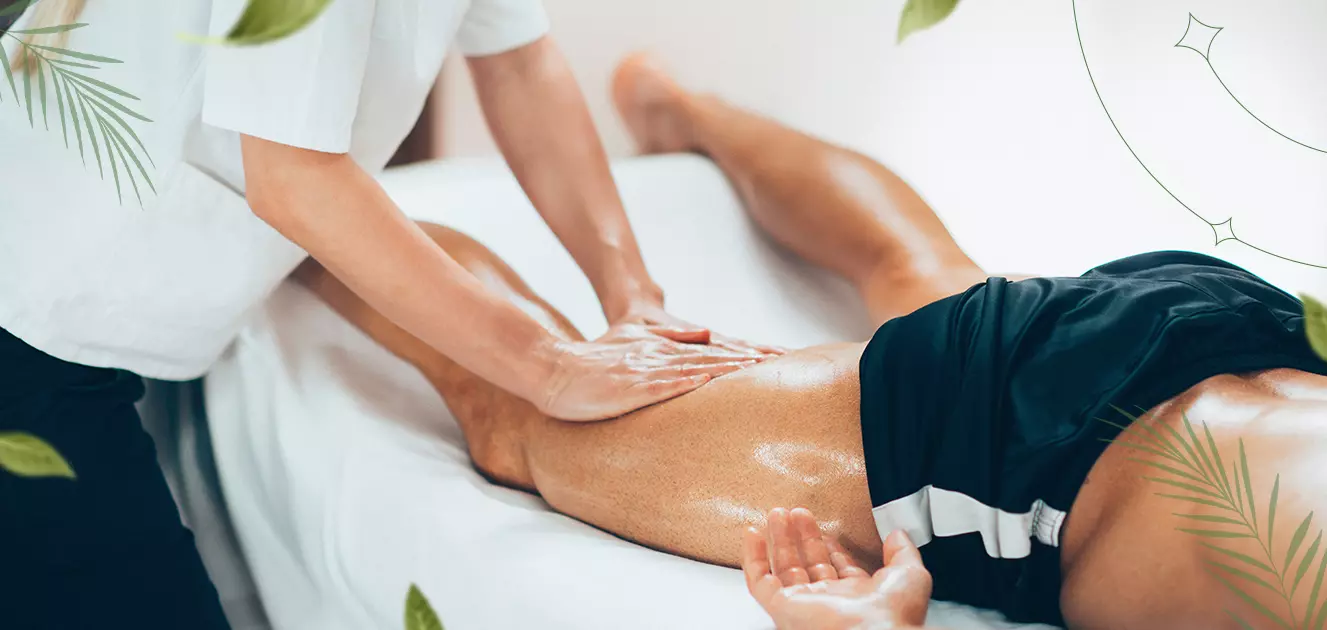
You have trained hard, prepared your game plan, and focused on nutrition. But one question still remains: Should you book a sports massage before or after your match? It’s a common debate among athletes, runners, gym-goers, and active individuals, and the answer depends on your goals, recovery needs, and performance demands.
The timing of a sports massage can directly affect how your body performs and recovers. A well-timed pre-match massage can help improve circulation, flexibility, and mental focus, leaving you feeling loose and ready for action. On the other hand, a post-match massage focuses on recovery by reducing muscle soreness, easing tension, and helping your body recover faster after intense activity.
Choosing the wrong timing or massage intensity, however, can leave you feeling fatigued, stiff, or underprepared. That’s why understanding the difference between pre-event and post-event sports massage is essential for both performance and injury prevention.
In this guide, we will explore the benefits of each, explain the science behind recovery, and help you decide the best time to book your sports massage for optimal results.
What Is A Sports Massage?
Before we dive into the timing debate, it’s worth being absolutely clear about what sports massage actually is, because it’s quite different from the kind of relaxation massage you’d book for a pamper day at a standard spa.
Sports massage is a targeted, therapeutic form of soft tissue manipulation specifically designed for athletes and physically active individuals. It uses a combination of techniques tailored to the demands of sports, training loads, and physical performance goals. Unlike a Swedish relaxation massage that focuses primarily on including a general sense of calm, sports massage is purposeful and precise. Every stroke, every application of pressure, and every technique has a specific physiological objective.
Common techniques used in sports therapy include:
- Effleurage: Long, sweeping gliding strokes used to warm up tissues, increase circulation, and prepare the body for deeper work
- Petrisage: Kneading and squeezing movements that work progressively deeper into the muscle belly to release adhesions and improve tissue quality
- Tapotement: Rhythmic percussion tapping that stimulates the nervous system, increases alertness, and activates muscle contraction
- Trigger Point Therapy: Precise, concentrated pressure applied to hyperirritable spots within the muscle, commonly known as “knots,” to alleviate referred pain and restore normal muscle function
- Myofacial Release: Gentle, sustained pressure and stretching of the fascia. The connective tissue surrounding and permeating the muscles, to restore normal muscle function
Sports massage is not an elite-only treatment. Whether you’re a weekend warrior, a recreational runner, a competitive club football player, or a gym working through a structured programme, incorporating regular sports therapy into your routine can meaningfully improve performance, reduce injury risk, and significantly accelerate recovery between sessions.
The key is understanding what type of treatment you need, when you need it, and how it fits into your broader training and competition cycle.
Why Timing Matters In Sports Massage
Here’s something that genuinely surprises many athletes when they first hear it: the exact same massage technique, applied at different points in your training cycle, can produce completely different physiological effects on your body.
This isn’t a minor detail; it’s fundamental to getting real value from sports therapy. Think about it this way. A pre-match sports massage is designed to prepare the body. Its goal is to increase blood flow, activate the nervous system, and prime the muscles to fire with optimal speed, power, and responsiveness. The treatment is stimulating, moderate in pressure, and leaves you feeling alert and energised.
A post-match sports massage, by contrast, is designed to do almost the opposite. It aims to calm the body down, flush out metabolic waste products that have accumulated during intense activity, reduce inflammatory responses in the muscles, and initiate the structural repair process. The treatment is slower, often deeper in pressure, and leaves you feeling deeply relaxed and restored.
The goal of each session is fundamentally different, and so the technique, the pressure level, the targeted areas, and the session duration will all vary significantly depending on when you’re receiving treatment relative to your competition.
Booking a deep, intensive sports massage the night before a crucial game could leave your muscles feeling temporarily heavy and sore, the last thing you want walking into the warm-up. Conversely, skipping your post-match recovery treatment after a demanding 90-minute match means you’re leaving delayed onset muscle soreness (DOMS), micro-tears in the muscle fibres, and lingering inflammation to resolve on their own, a process that takes considerably longer without professional intervention.
Timing is everything. And developing a clear understanding of the difference between pre-match and post-match sports massage is one of the most immediately impactful things any athlete can do to protect and optimise their physical performance over the long term.
Benefits Of A Pre-Match Sports Massage
A pre-match sports massage is fundamentally about activation and preparation. Done correctly, and crucially, at the right time, it can provide a genuine, measurable competitive edge before you’ve even set foot on the pitch or crossed the start line.
Increased Blood Flow and Muscle Activation
One of the primary physiological benefits of a pre-match sports massage is the rapid and sustained increase in blood flow to the target muscles. Enhanced local circulation means more oxygen and fuel-delivering nutrients reach the working tissues more efficiently, which helps muscles fire with greater speed and force from the very first minute of activity.
Think of it like pre-warming a high-performance engine before putting it under load. Your muscles work considerably better when they’re properly primed and perfused, and a targeted pre-match massage accelerates that warm-up process in ways that passive stretching or light jogging alone cannot replicate.
Reduced Muscle Tension and Improved Range of Motion
Many athletes carry residual, chronic tightness in specific muscle groups that are subjected to the highest repetitive stress in their sport: hamstrings and calves in runners, rotator cuffs and upper traps in swimmers and tennis players, hip flexors and quads in cyclists and footballers. This accumulated tension doesn’t fully resolve between training sessions, and over time, it can subtly restrict the range of motion, alter movement mechanics, and elevate injury risk.
A targeted pre-match massage can release this residual tightness, restore a more complete and functional range of motion, and reduce the mechanical load on tendons and joints during intense activity. For a centre-back preparing for a demanding 90-minute match, having genuinely looser, more responsive hip flexors and quads could meaningfully reduce the risk of a hamstring strain in the final twenty minutes when fatigue is highest.
Mental Preparation and Psychological Readiness
There’s a significant and often underappreciated psychological dimension to pre-match sports massage. The focused, deliberate attention of an experienced sports therapist working methodically through your key muscle groups can serve as a powerful pre-competition ritual, helping athletes transition from the noise and distraction of everyday life into a focused, performance-ready mental state.
Many elite and semi-professional athletes report that their pre-match massage session is as much about getting their mind into the right space as it is about the physical preparation. The predictability and structure of a familiar massage routine provide a calming anchor amid pre-competition nerves and adrenaline.
Improved Neuromuscular Activation
Certain pre-match massage techniques, particularly tapotement and faster, more rhythmic effleurage, stimulate the nervous system, effectively ‘waking up’ the neuromuscular pathways and improving the speed and efficiency of muscle contractions. This neurological activation can translate into sharper reflexes, quicker reactive responses, and more powerful initial muscle engagement during explosive movements, all of which matter enormously in competitive sport.
| Practical tip: For full pre-match preparation, book your comprehensive sports massage session 24 to 48 hours before the competition. If you want hands-on treatment on match day itself, limit it to 10 to 15 minutes of light, stimulating work on key performance areas. Never schedule deep tissue work within 24 hours of playing. |
Benefits Of A Post-Match Sports Massage
If the pre-match massage is about ignition and performance priming, the post-match massage is about restoration and repair. After subjecting your body to the intense physical and psychological demands of competition, a well-timed post-match sports massage can dramatically accelerate your recovery timeline, reduce injury risk, and set you up far more effectively for your next training session.
Accelerated Muscle Recovery and Metabolic Clearance
During intense exercise, muscles accumulate metabolic by-products, including lactic acid, inflammatory cytokines, and cellular debris from micro-damaged fibres, and undergo significant structural stress at the myofibril level. Left to resolve through passive rest alone, this process takes considerably longer than most athletes realise.
Post-match sports massage helps clear these waste products more efficiently by enhancing lymphatic drainage, improving local circulation, and mechanically stimulating the tissues to begin the repair and remodelling process earlier. The practical result is a shorter gap between the end of competition and the restoration of normal muscle function and power output, which matters enormously for athletes with frequent training or competition schedules.
Significant Reduction of DOMS
Delayed onset muscle soreness, that familiar, sometimes debilitating ache that peaks around 24 to 72 hours after a physically demanding session, is caused primarily by the acute inflammatory response to muscle micro-trauma and connective tissue stress. For athletes on tight competition schedules or those managing two or three training sessions per week, severe DOMS is not merely uncomfortable; it’s a genuine performance liability.
Post-match sports massage, particularly when it incorporates myofascial release and targeted deep tissue work on the most heavily loaded muscle groups, has been shown in sports science research to reduce both the perceived intensity and the duration of DOMS when compared to passive rest. Athletes who receive regular post-match treatment consistently report feeling ready to train again significantly sooner than those who rely on rest alone.
Early Injury Detection and Prevention
One of the most practically valuable, and frequently overlooked, benefits of a thorough post-match sports massage is the opportunity it provides for an experienced sports therapist to identify areas of emerging concern before they develop into significant injuries.
The focused palpation and tissue assessment that characterises a quality post-match treatment allows a skilled therapist to detect subtle abnormalities, small adhesions forming around micro-tear sites, developing trigger points in chronically loaded muscles, early signs of tendon stress, and muscular imbalances that weren’t present or noticeable in the previous session. Catching these issues at this early stage, when they are minor and highly manageable, is enormously preferable to discovering them weeks later when they’ve progressed to a grade two muscle tear or a developing tendinopathy.
Psychological Decompression and Recovery
Sport is as psychologically demanding as it is physically taxing, and post-match sports massage offers an important period of mental decompression that purely physical recovery methods like ice baths or compression garments simply cannot replicate.
Whether you’ve played brilliantly or had a difficult match, that focused time on the treatment table provides your mind with the space to slow down, process the experience, and transition calmly out of the high-arousal competitive state into the recovery mindset.
| Practical tip: Book your post-match sports massage within 24 to 48 hours of competition for maximum therapeutic benefit. Avoid scheduling it immediately after intense activity; give your body at least two to four hours to cool down, rehydrate, and stabilise before treatment begins |
Pre-Match Vs Post-Match Sports Massage: Side-By-Side Comparison
Still weighing up which type of session you need ahead of your next fixture or training block? The table below lays out the key differences across nine critical factors to help you make the right call:
| Factor | Pre-Match Sports Massage | Post-Match Sports Massage |
| Primary Goal | Prepare muscles, boost circulation, sharpen focus | Recovery, repair, and deep relaxation |
| Ideal Timing | 24–48 hrs before, or 10–15 min on match day | Within 24–48 hours after the match |
| Pressure Level | Light to moderate, stimulating | Moderate to deep, restorative |
| Key Techniques | Effleurage, petrissage, tapotement, stretching | Deep tissue, trigger point, myofascial release |
| Focus Areas | Performance muscles for your specific sport | Overworked areas, micro-tear sites, tight groups |
| Session Length | 30–45 min (or 10–15 min on match day) | 45–90 minutes depending on intensity |
| Post-session Soreness? | No — you must feel energised, not fatigued | Mild soreness for 24 hrs is normal and expected |
| Best For | Anxiety, tight muscles, warm-up preparation | DOMS, inflammation, injury prevention, mental reset |
As the comparison makes clear, these two forms of sports massage serve completely different physiological and psychological purposes. The smartest athletes don’t choose one over the other; they strategically integrate both into their training and competition cycles, treating sports therapy as an active performance tool rather than an occasional luxury.
Common Mistakes Athletes Make With Sports Massage Timing
Even experienced, well-informed athletes regularly get sports massage timing wrong, and the consequences range from unnecessarily compromised performance to missed injury prevention opportunities. Here are the most common errors to avoid.
Booking A Deep Tissue Session The Night Before A Match
This is the single most frequent and damaging mistake. Intensive deep tissue work creates a localised inflammatory response in the treated tissues as part of its therapeutic mechanism. In the 24 to 36 hours following treatment, muscles can feel temporarily heavier, sore, and less responsive, precisely the opposite of what you need heading into competition. Save deep tissue work for the days following a match, not the days leading up to one.
Waiting Too Long After A Match To Book Recovery Treatment
Some athletes wait five to seven days after competition before booking a post-match session, by which point the acute recovery window has closed and the primary therapeutic benefits of sports massage are largely lost. The most impactful post-match treatment window is within the first 24 to 48 hours after competition.
Treating Sports Massage As A Replacement For A Warm-Up
A pre-match massage is a powerful complement to your warm-up protocol, not a substitute for it. You still need to progress through your dynamic stretching, movement-specific activation drills, and incremental intensity build-up before competition. The massage prepares the tissue; the warm-up prepares the movement patterns.
Neglecting Hydration Before And After Treatment
Post-match sports massage mobilises significant quantities of metabolic waste products that have accumulated in the tissues. Without adequate hydration in the hours surrounding treatment, these are not efficiently cleared from the body, reducing the effectiveness of the session and potentially leaving you feeling lethargic for longer. Drink plenty of water before, during, and after every massage appointment.
Choosing A Non-Specialist Therapist For Sports Work
Not all massage practitioners are trained or experienced in sports therapy. If you’re an athlete preparing for or recovering from competition, you need a specifically qualified sports massage therapist who understands exercise physiology, athletic loading patterns, injury rehabilitation, and sport-specific biomechanics. The difference in outcomes between a skilled sports therapist and a generalist massage practitioner can be substantial.
How Often Should Athletes Get Sports Massage?
The right frequency of sports massage depends on your training volume, competition schedule, individual recovery capacity, and specific physical demands, but the following framework provides a practical starting point for athletes at different levels of activity.
Recreational Athletes (2–3 Training Sessions Per Week)
If you’re training moderately, attending the gym a few times a week, running at weekends, and playing recreational club sport, a sports massage once or twice per month provides a strong foundation for maintenance, tissue quality management, and injury prevention. Even at this frequency, the cumulative benefits of consistent soft tissue care are meaningful over a full season.
Competitive Club Athletes (4–6 Training Sessions Per Week)
Athletes training and competing at a consistent club level, where training volume is high, and match frequency creates an ongoing physical recovery demand, benefit most from weekly or fortnightly sports massage sessions. A structured approach might include one pre-competition massage per month and one to two post-competition recovery sessions per month, supplemented by maintenance work during heavy training blocks.
Elite and Semi-Professional Athletes
At the highest amateur and semi-professional levels, where training volume, intensity, and competition frequency are all significantly elevated, weekly sports massage is typically considered the minimum viable frequency. Many athletes at this level receive sports therapy two or three times per week during tournament periods or intensive training phases, treating it as an integral, non-negotiable component of their performance and recovery system rather than an optional add-on.
Beyond frequency, the specificity and quality of your sports massage matter enormously. A frequent but poorly targeted or generically applied massage will deliver far fewer real-world benefits than a precisely focused, sport-specific treatment delivered by a qualified and experienced sports therapist who understands your training programme and individual movement history.
Signs You Need A Sports Massage Right Now
Your body is constantly signalling its state to you; the challenge is learning to interpret those signals accurately and respond before minor issues escalate into injuries that cost you weeks of training. Here are the clearest indicators that you’re overdue for a sports massage:
- Persistent muscle tightness or stiffness that fails to resolve with your normal warm-up routine
- Recurring soreness concentrated in the same muscle groups after every training session
- A noticeable reduction in your flexibility or range of motion compared to your established baseline
- Visible or palpable muscular imbalances, one side of your body consistently feeling tighter, less mobile, or weaker than the other
- Localised ‘knots’ or areas of concentrated sensitivity within the muscle belly that don’t respond to self-massage or foam rolling
- DOMS that lasts longer than 72 hours following a training session of normal intensity
- A general feeling of heavy, fatigued legs or arms that doesn’t resolve with adequate rest and nutrition
- An increasing frequency of minor strains, niggles, and soft tissue complaints
- A low-grade, nagging injury that never fully resolves between matches or training sessions
- A recent increase in training volume or competition intensity without a corresponding increase in recovery support
Any one of these signs is a reasonable and legitimate indicator that your soft tissues need professional attention. Multiple signs occurring simultaneously, which is common during heavy training blocks or peak competition periods, strongly suggest that sports massage should be a priority in your current schedule, not something to be deferred until after the next match.
Sports Massage And Injury Prevention: The Overlooked Connection
Ask most athletes why they book a sports massage and the answers are predictable: to recover after a hard session, to loosen up before a big game, or to deal with an existing ache or tightness. Far fewer will cite injury prevention as a primary motivation. And yet, for athletes who take a long-term view of their physical health and athletic longevity, proactive injury prevention is arguably the most valuable function that regular sports therapy performs.
Maintaining Optimal Muscle Fibre Quality and Alignment
Repeated training and competition cause microscopic trauma to muscle fibres, which heal through a process that can leave behind scar tissue and collagen-rich adhesions if recovery support is insufficient. Over time, these adhesions can alter the way muscle fibres slide against one another and function mechanically, creating subtle movement inefficiencies that gradually increase injury risk, particularly in the later stages of exercise when fatigue compounds any existing biomechanical compromise.
Regular sports massage breaks down developing scar tissue and adhesions before they become structurally significant, maintains the quality and pliability of the muscle tissue, and keeps the fascial system supple and functional, all of which contribute directly to more resilient, injury-resistant movement patterns.
Identifying and Correcting Muscular Imbalances
A skilled and experienced sports therapist will consistently notice when one muscle group is tighter, less responsive, or less developed than its anatomical counterpart on the opposite side of the body. These imbalances are a primary and frequently underestimated risk factor for injury, particularly in sports that involve repetitive, predominantly unilateral loading patterns, running, cycling, racket sports, and many football positions, among them.
By identifying and addressing these imbalances proactively through targeted massage, stretching recommendations, and corrective exercise referrals, a good sports therapist can prevent the biomechanical compensations that, left unchecked, consistently lead to overuse injuries in the tendons, joints, and muscle-tendon junctions.
Managing Cumulative Physical Load
Every training session and every competitive fixture adds to the athlete’s cumulative physical load. Without consistent and effective soft tissue management, this load accumulates over weeks and months until it expresses itself as injury. Regular sports massage functions as a controlled pressure release, clearing accumulated tension, maintaining tissue quality, and allowing the body’s structural systems to recover and adapt appropriately between loading bouts.
Athletes who invest in regular, proactive sports therapy consistently report fewer training interruptions, lower overall injury incidence, and significantly longer, more productive athletic careers than those who treat sports massage purely as a reactive intervention after problems have already developed.
Choosing The Right Sports Massage Therapist
The quality of your sports massage experience, and crucially, the real-world outcomes you get from it, depends enormously on the qualifications, experience, and approach of the therapist you work with. Not all massage practitioners are trained in sports therapy, and for athletes, the distinction matters significantly. Here’s what to look for:
- Recognised professional qualifications in sports massage therapy or sports rehabilitation, a Level 3 or Level 4 qualification in the UK context
- Demonstrated experience working with athletes in your specific sport or training discipline, ideally with a track record of working with competitive athletes at your level
- A thorough initial assessment process, a quality sports therapist will take a detailed history covering your training load, competition schedule, past injury history, and current performance goals before beginning any treatment
- The technical ability and clinical judgment to adapt technique, pressure, and session focus based on where you are in your training and competition cycle
- Clear, accessible communication throughout the session about what they’re doing, why they’re doing it, and what aftercare steps you should take to maximise the benefits
- A professional clinical environment that meets appropriate hygiene standards and is properly equipped for sports therapy work
Word-of-mouth recommendations from fellow athletes in your sport or training community are one of the most reliable routes to finding a genuinely high-quality sports therapist. You can also look for practitioners who hold membership with recognised professional bodies such as the Sports Massage Association (SMA) or the Complementary and Natural Healthcare Council (CNHC), both of which maintain standards of practice and continuing professional development requirements for their members.
When in doubt, remember: investing in a quality sports therapist is not a cost, it’s a performance investment. The returns, measured in fewer injuries, faster recovery, and more consistent training, will far exceed the fee over any meaningful period of time.
Why Athletes In Greenwich Are Turning To Professional Sports Massage
Greenwich has long been a hub for active, sport-focused individuals across South East London. From the dedicated runners who make daily use of Greenwich Park’s varied terrain and the Thames Path riverside routes, to the footballers, cyclists, CrossFit athletes, and fitness enthusiasts spread across SE10, SE3, and the surrounding postcodes, the community of serious, physically active people in this part of London is large, diverse, and growing.
And alongside that growth has come an increasing awareness of what it actually takes to perform consistently, recover effectively, and stay healthy across a full training year. The old mindset of simply pushing through pain, skipping recovery, and ‘seeing how it goes’ has been replaced by a genuinely smarter, better-informed approach to athletic self-care.
Sports massage in Greenwich has become an increasingly mainstream and expected part of that approach. Local athletes, from competitive club runners preparing for the London Marathon to Sunday league footballers managing demanding weekly schedules, are recognising that the gap between good performance and great performance is often found not during the match itself, but in the preparation and recovery phases that surround it.
The results that athletes in Greenwich are experiencing through consistent, professional sports massage therapy are difficult to argue with: reduced injury frequency, faster return to full training after hard sessions, improved flexibility and movement quality, and a quiet but genuine confidence that comes from knowing your body is being professionally managed by people who understand sport and performance.
Whether it’s a pre-match treatment session before a big fixture or a thorough post-match recovery appointment booked for the following morning, more and more active individuals in the Greenwich area are making sports therapy a non-negotiable line item in their training budget, not a luxury they treat themselves to occasionally, but a fundamental component of how they compete, recover, and improve.
Frequently Asked Questions About Sports Massage
How Long Before A Match Should I Book A Sports Massage?
The ideal window for a full pre-match sports massage is 24 to 48 hours before competition. This timing gives your body sufficient time to absorb and benefit from the treatment, increased circulation, reduced muscular tension, improved range of motion, without any risk of residual muscle soreness affecting your performance on match day.
If you want hands-on treatment on the day of the competition itself, keep it brief and focused. A 10 to 15-minute session of light effleurage and tapotement applied to the key performance muscle groups can sharpen activation and settle pre-match nerves without leaving you feeling fatigued. Never schedule deep tissue work within 24 hours of a match.
Is It Normal To Feel Sore After A Sports Massage?
Yes, mild to moderate soreness in the hours following a sports massage, particularly a post-match deep tissue session, is entirely normal and is not a cause for concern. This temporary soreness, sometimes described as similar in character to DOMS, is a natural response to the mechanical stimulation of the tissue and the release of accumulated tension and metabolic products.
Typically, this post-massage soreness resolves within 24 to 48 hours and is followed by a noticeable improvement in muscle flexibility, range of motion, and overall tissue quality. Staying well hydrated in the hours following your session will help accelerate this process and reduce the duration of any post-treatment discomfort.
Can Sports Massage Help Prevent Injuries?
Absolutely, and this is arguably one of the most important and underutilised benefits of regular sports therapy. A skilled sports therapist can identify developing adhesions, emerging trigger points, early signs of tendon stress, and subtle muscular imbalances through palpation during treatment, often well before these issues produce noticeable symptoms or begin to affect your performance.
By addressing these early warning signs proactively, regular sports massage prevents the accumulation of structural soft tissue problems that, if left unmanaged, reliably progress into more significant injuries requiring extended time away from training. Athletes who prioritise regular sports therapy as a preventative measure consistently report lower injury incidence and fewer training interruptions than those who only seek treatment reactively.
Before, After Or Both?
So, should you book a sports massage before or after a match? The best athletes use both strategically because each serves a different purpose. A pre-match sports massage helps activate muscles, improve mobility, and prepare the body and mind for peak performance. A post-match massage focuses on recovery, reducing soreness, easing tension, and preventing injuries before the next training session. Rather than choosing one over the other, smart athletes make sports massage a regular part of their performance and recovery routine. Your body is your greatest athletic asset; taking care of it consistently leads to better performance, faster recovery, and long-term results.
Ready To Perform At Your Best?
Whether you’re counting down to match day or recovering from one, Meridian Spa in Greenwich, London, offers professional, results-driven sports massage therapy tailored specifically to the needs of active individuals, competitive club athletes, and serious recreational sport participants.
Our experienced sports therapists don’t take a one-size-fits-all approach. Every session is designed around your specific performance goals, your training and competition schedule, your injury history, and the precise stage of your athletic cycle. From a focused pre-match activation session to a thorough post-competition recovery treatment, we deliver the right treatment at the right time, so that sports massage works as hard for your performance as you do.
Don’t leave your recovery, or your performance, to chance. Meridian Spa is your dedicated sports therapy partner in Greenwich, committed to helping you train smarter, recover faster, and compete at your absolute best.
Book your appointment today, your next best performance starts at Meridian Spa, Greenwich.